Name: Ksankupar Khongstit
Department: Fashion and Lifestyle Accessory Design Department
Category: CRD
Campus : NIFT Shillong
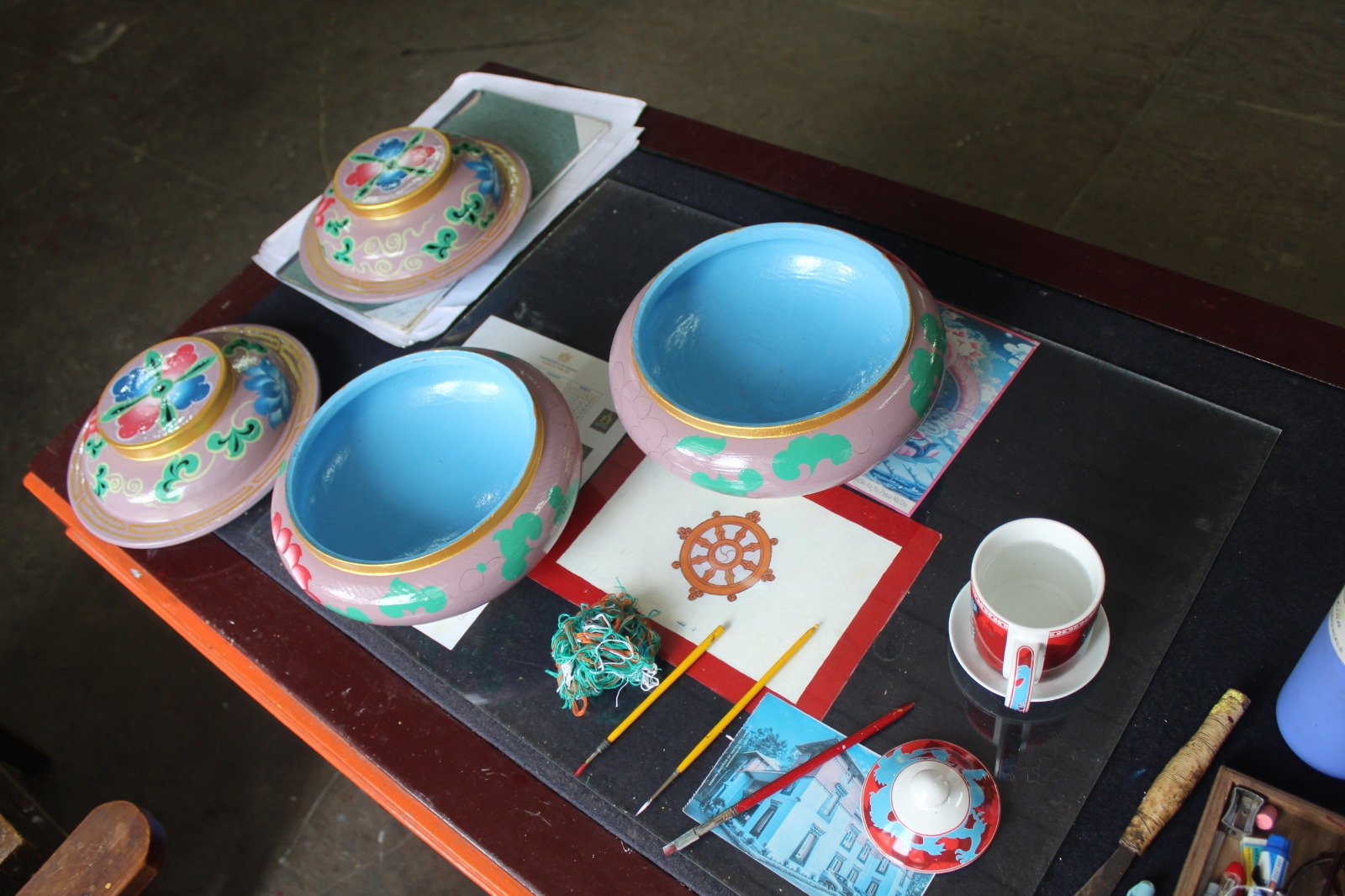
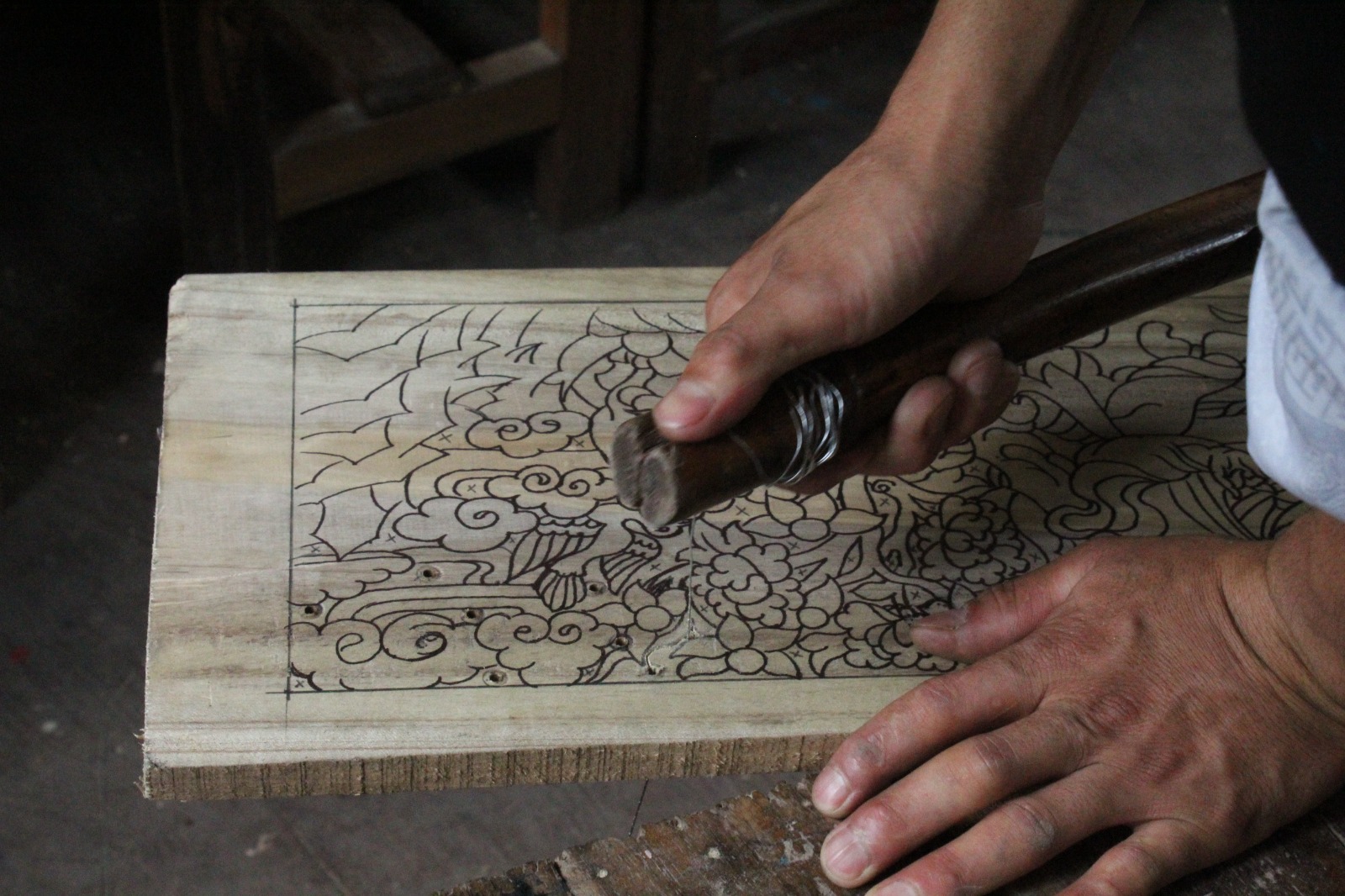
Beyul: A Legacy Carved in Wood documents the cultural, spiritual, and artistic heritage of Sikkim, with a special focus on traditional wood carving. The study explores Sikkim’s geography, history, architecture, Buddhism, festivals, and diverse communities, including the Lepcha, Bhutia, and Nepali groups. It highlights how Tibetan Buddhist influences, trade routes, monasteries, and traditional architecture shaped local craft traditions. The documentation emphasizes the role of wood carving in preserving cultural identity and showcases its continued relevance in contemporary Sikkimese society.

About the project
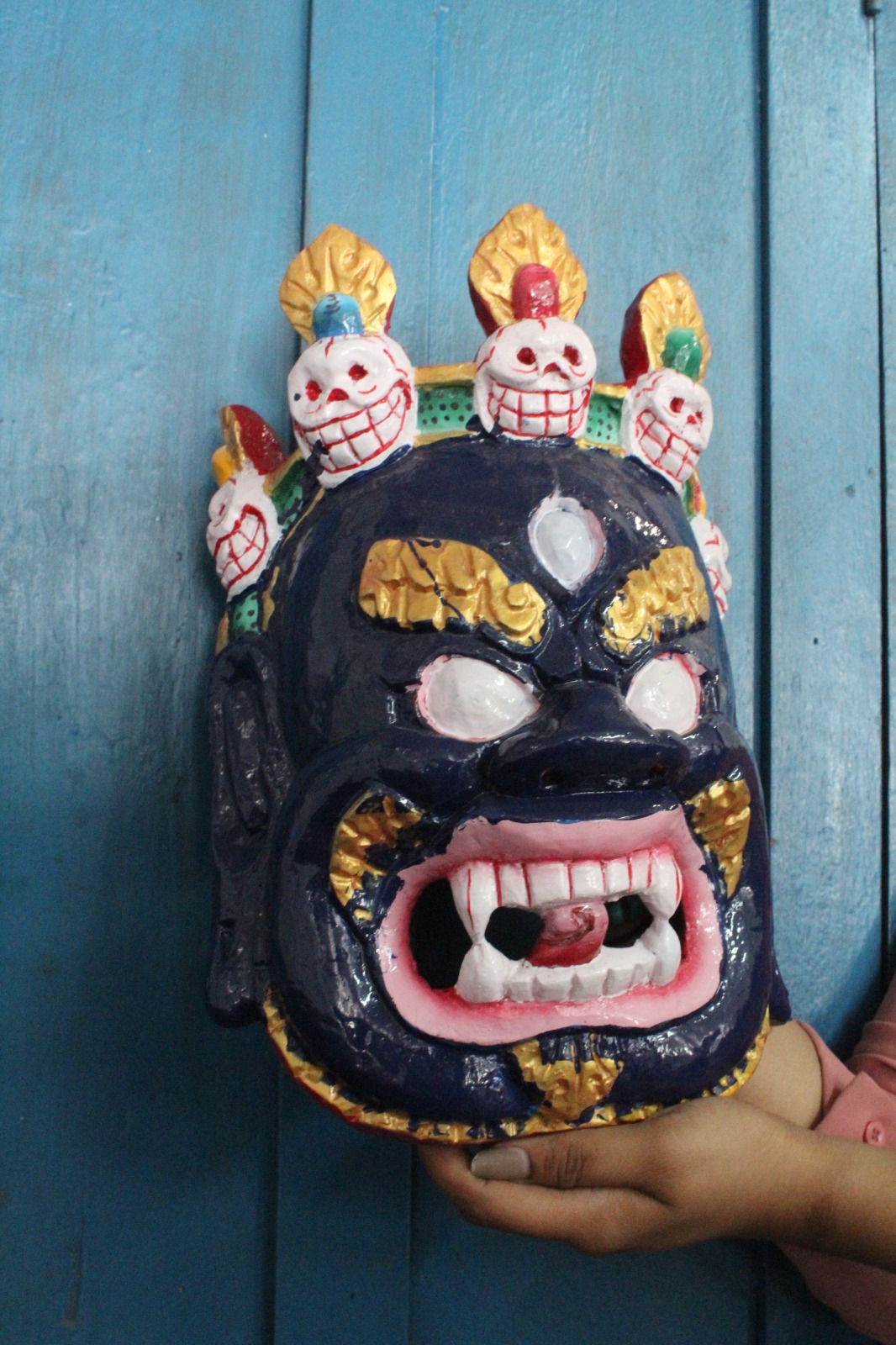
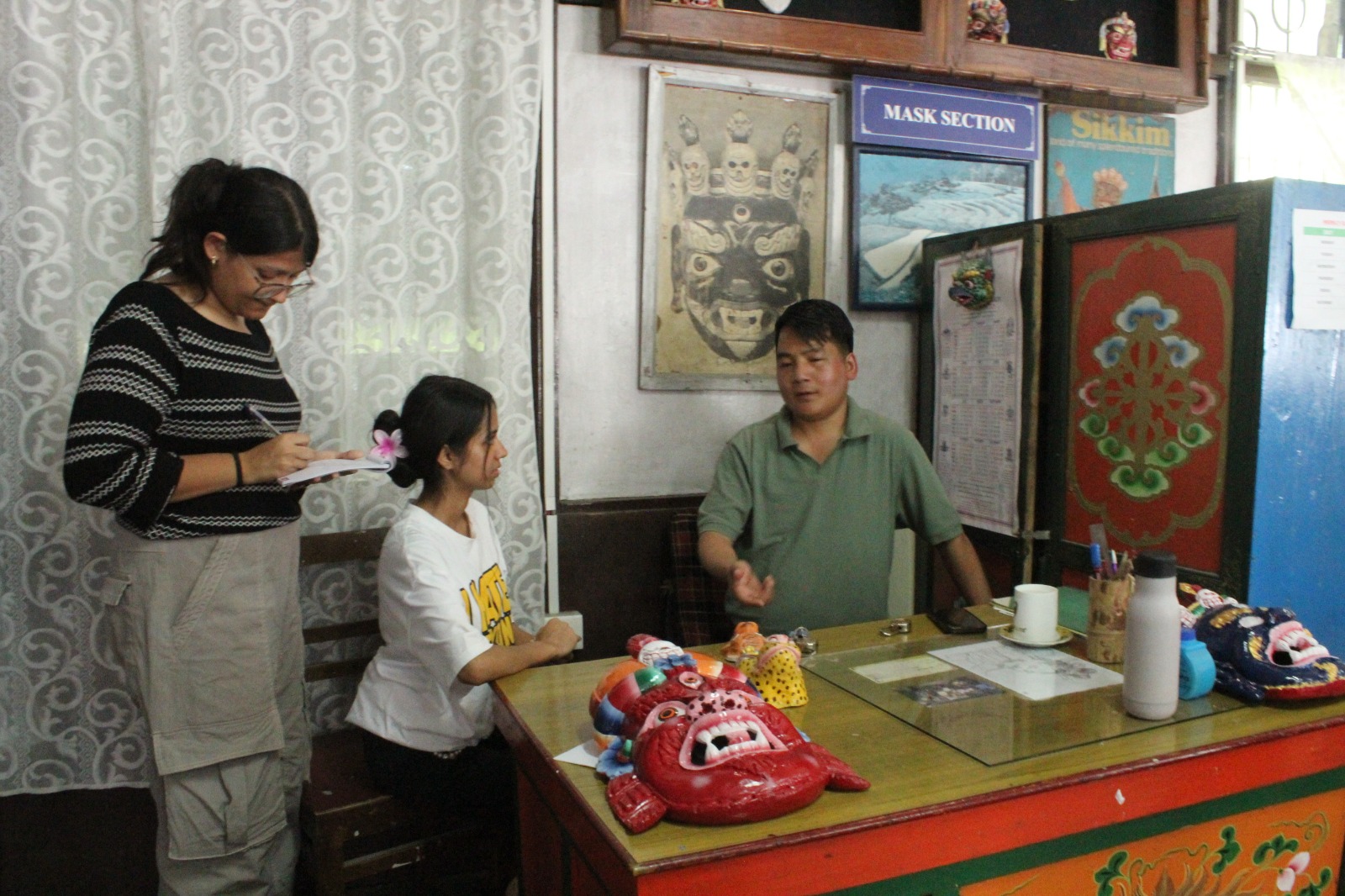
Beyul: A Legacy Carved in Wood presents a comprehensive exploration of Sikkim’s cultural landscape and the significance of wood carving as a living craft tradition. Set against the backdrop of the Eastern Himalayas, the documentation examines the state’s geography, history, architecture, languages, religions, and ethnic diversity, providing context for understanding the evolution of its craft heritage. A central theme of the study is the influence of Buddhism on Sikkim’s artistic traditions. The spread of Buddhist culture through historic trade routes and monastic institutions fostered the development of wood carving, mask making, murals, and religious architecture. Monasteries such as Ralang and Enchey serve as important repositories of carved wooden pillars, beams, gateways, and decorative motifs, reflecting a synthesis of Tibetan, Nepalese, and indigenous artistic influences.
The documentation also explores the lifestyles, attire, festivals, and belief systems of Sikkim’s major communities—Lepcha, Bhutia, and Nepali—highlighting how cultural values are expressed through architecture, textiles, rituals, and craftsmanship. By recording traditional knowledge and contemporary practices, the study underscores the importance of preserving wood carving and mask making as both a cultural expression and a symbol of Sikkim’s rich spiritual and artistic heritage.
NIFT Assistant
Online — Ready to help
AI