Name: Dr. Harleen Sahni, Batch 2026
Department: Textile Design Department
Category: CBDP
Campus : NIFT Gandhinagar
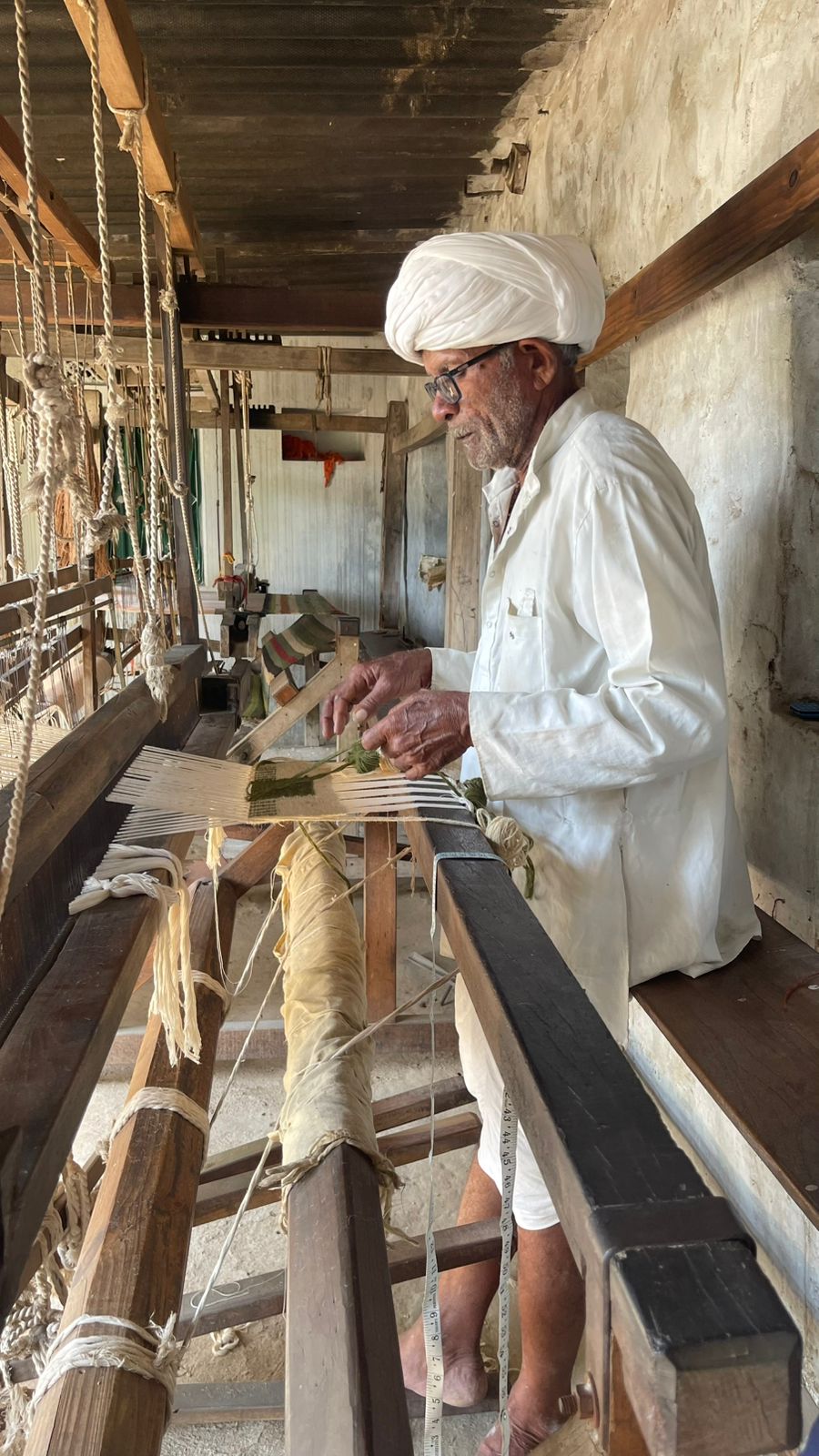
Jawaja Dhurries have their roots in the weaving traditions of the Bhambi/Bunkar community in the Jawaja–Beawar region of Rajasthan. Originally, the craft was a small-scale activity where weavers used simple pit looms to create woollen shawls and basic household textiles for personal use or barter.

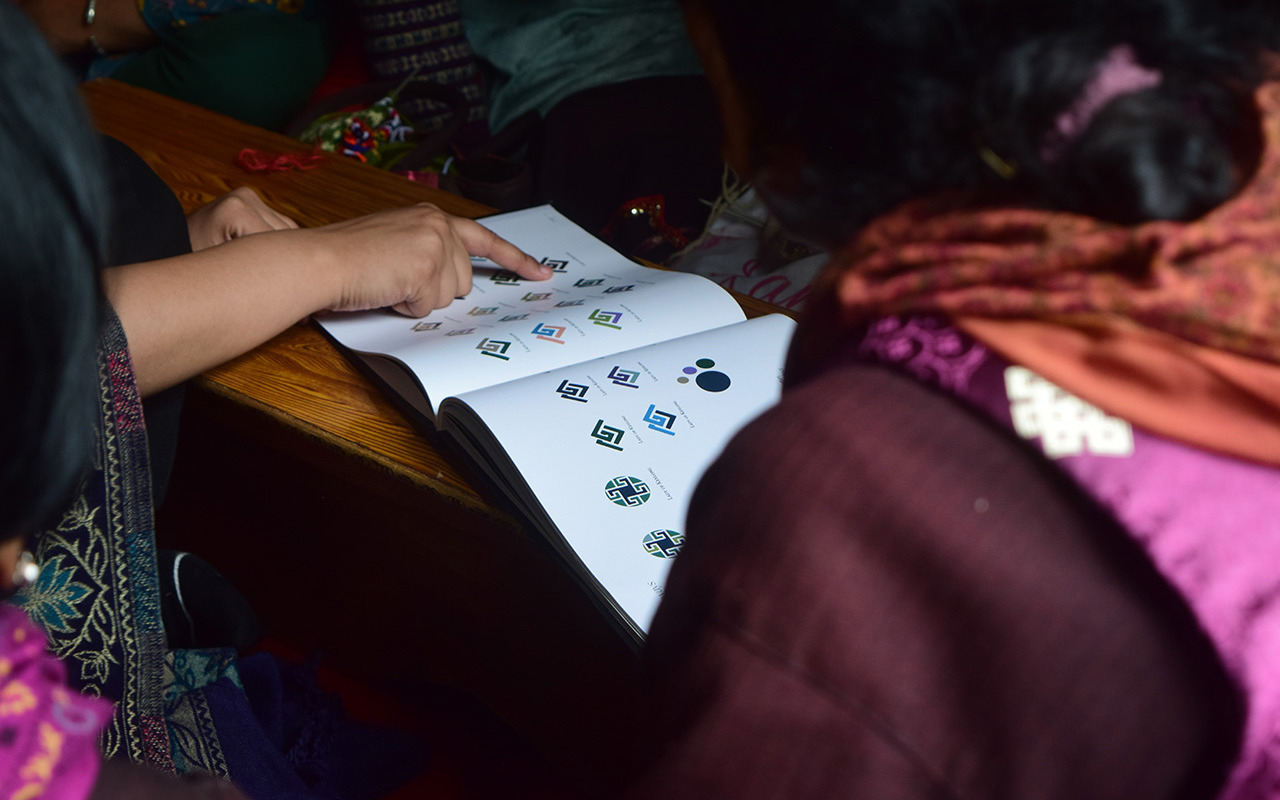
About the project
Faculty mentors- Dr. Shubhangi Yadav and Dr. Rupali Pandit.
Student group (Batch 2026)
- Eva Ghoghari
- Jyoti yadav
- Kashish gupta
- Nadiya garwa
- Priyata mangal
- Shubhati jha
Artisans - Ramlalji Meghwal, Omkarlal Meghwal, Gopiram,
Jawaja Dhurries have their roots in the weaving traditions of the Bhambi/Bunkar community in the Jawaja–Beawar region of Rajasthan. Originally, the craft was a small-scale activity where weavers used simple pit looms to create woollen shawls and basic household textiles for personal use or barter.
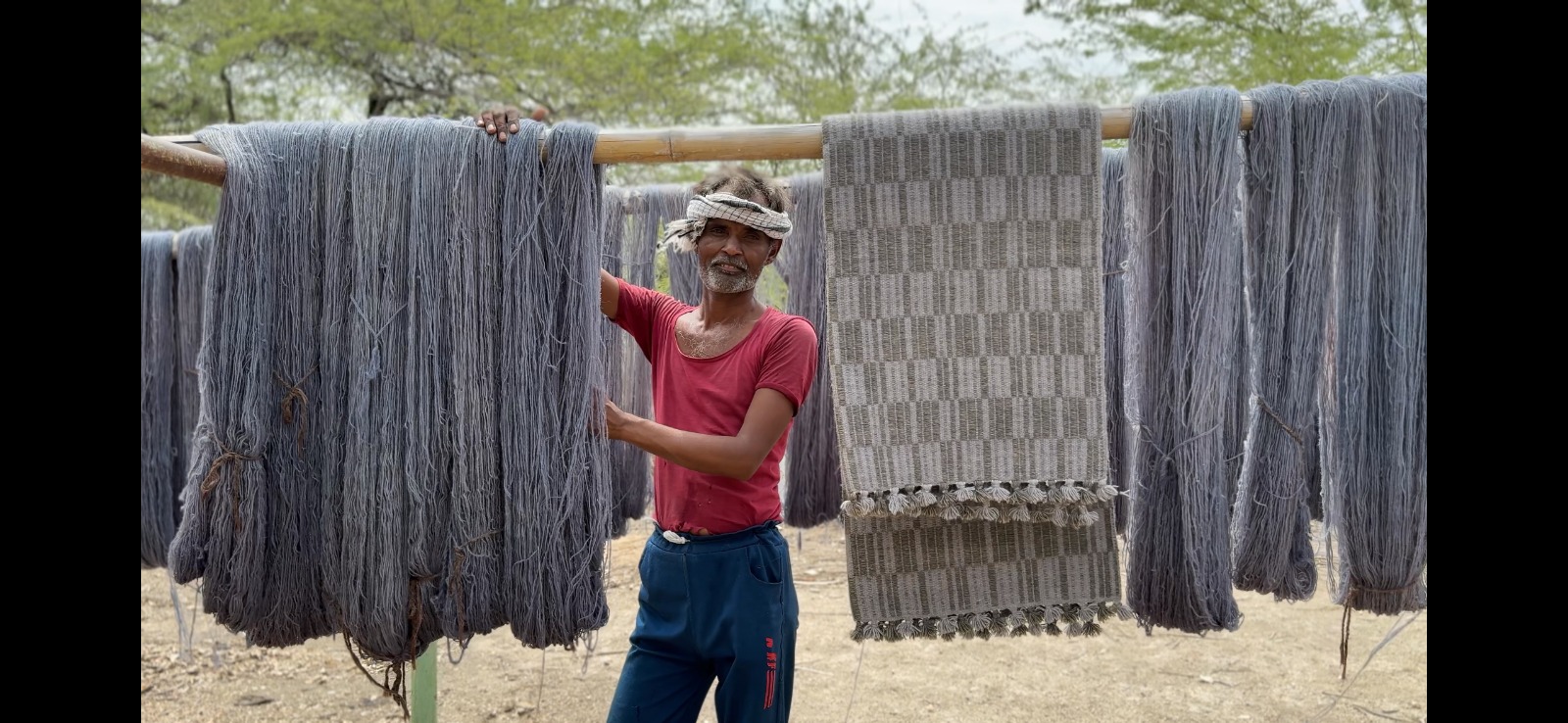
A turning point came in 1975, when IIM Ahmedabad initiated the Rural University project under Prof. Ravi Mathai, and invited NID Ahmedabad led by Prof. Ashok Chatterjee. Designers Helena Peerhenthupa and Neelam Iyer began working closely with the weavers, helping them refine skills, improve dyeing and weaving quality, and understand design for modern markets. This collaboration eventually led to the creation of Artisan Alliance Jawaja (AAJ) and the Jawaja Weavers Association (JWA), empowering artisans to manage production, innovation, and marketing independently.
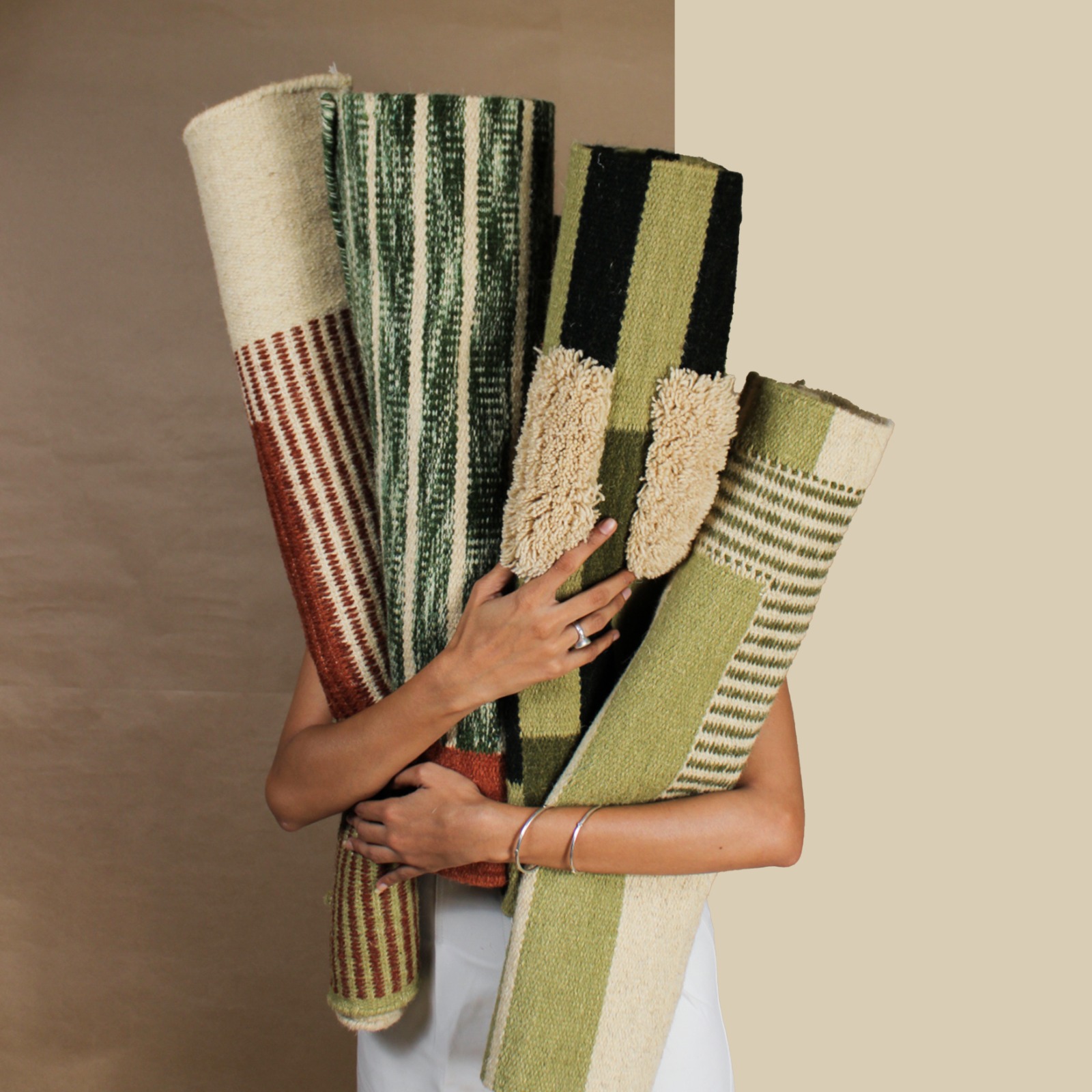
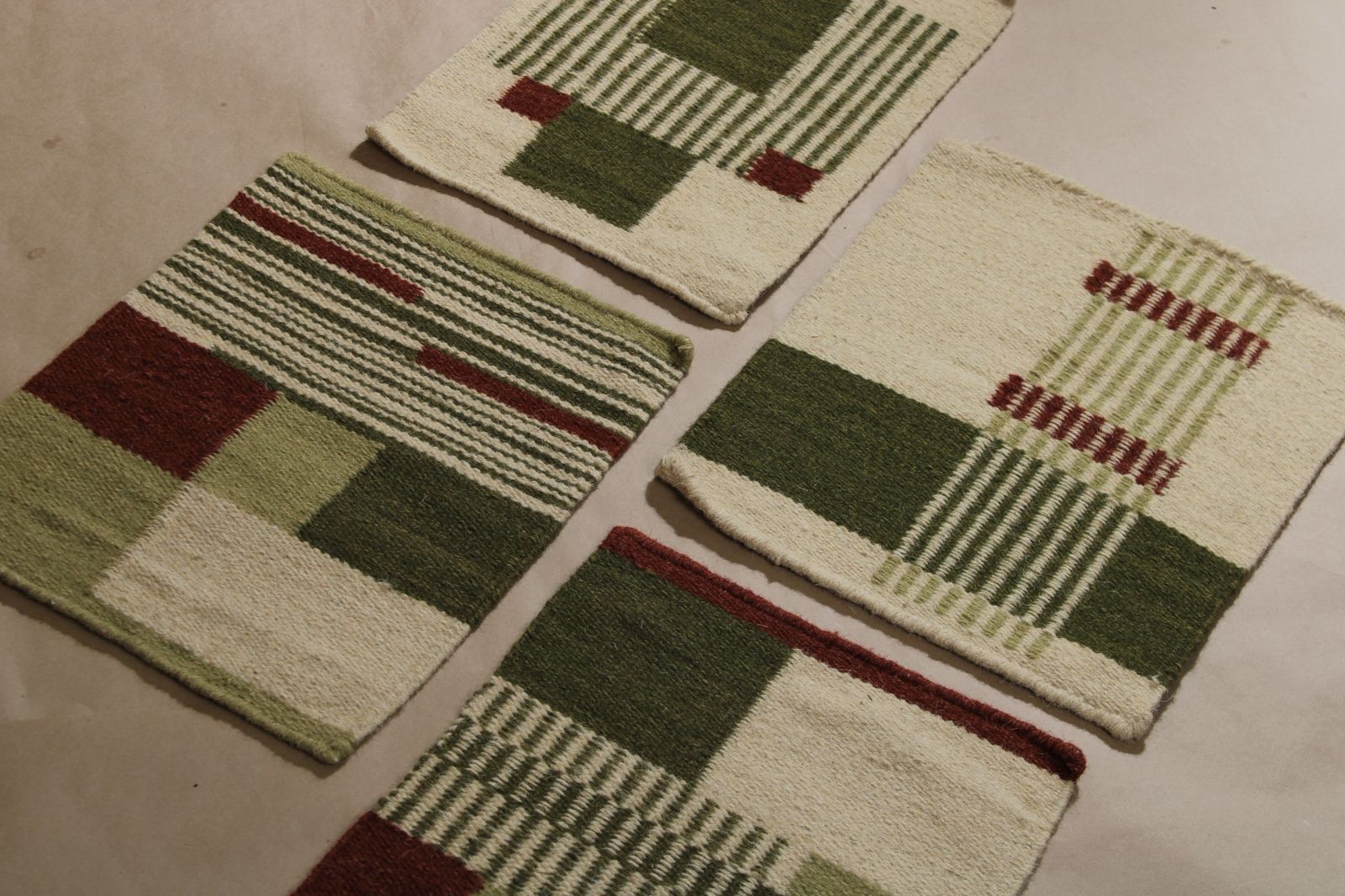
Jawaja Dhurries today are recognized for their durability, strong structure, and bold geometric patterns, woven using techniques such as flat weave, inlay, frame weaving, and cut-shuttle detailing. The craft represents one of India’s most successful examples of design-led rural development—where traditional skill and institutional collaboration reshaped a village craft into a sustainable, artisan-driven enterprise.
NIFT Assistant
Online — Ready to help
AI