Name: Jyoti Prakash Behera
Department: Textile Design Department
Category: CBDP
Campus : NIFT Kolkata
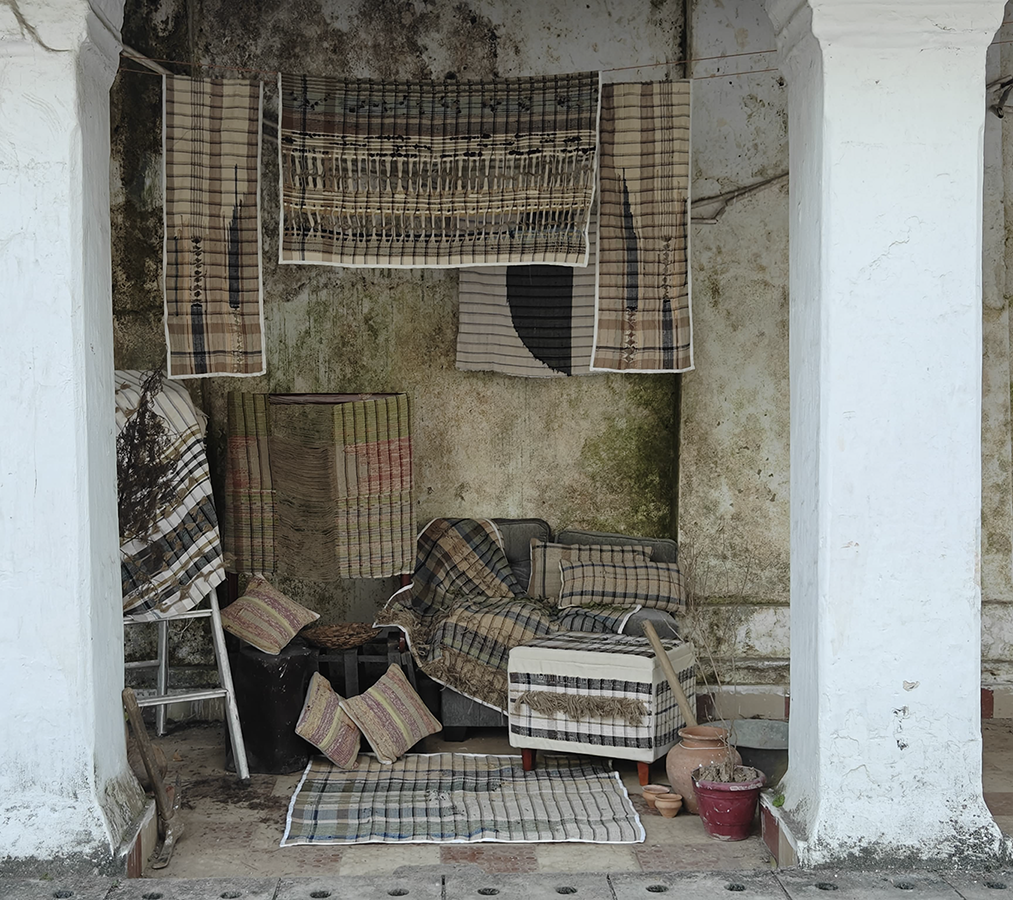
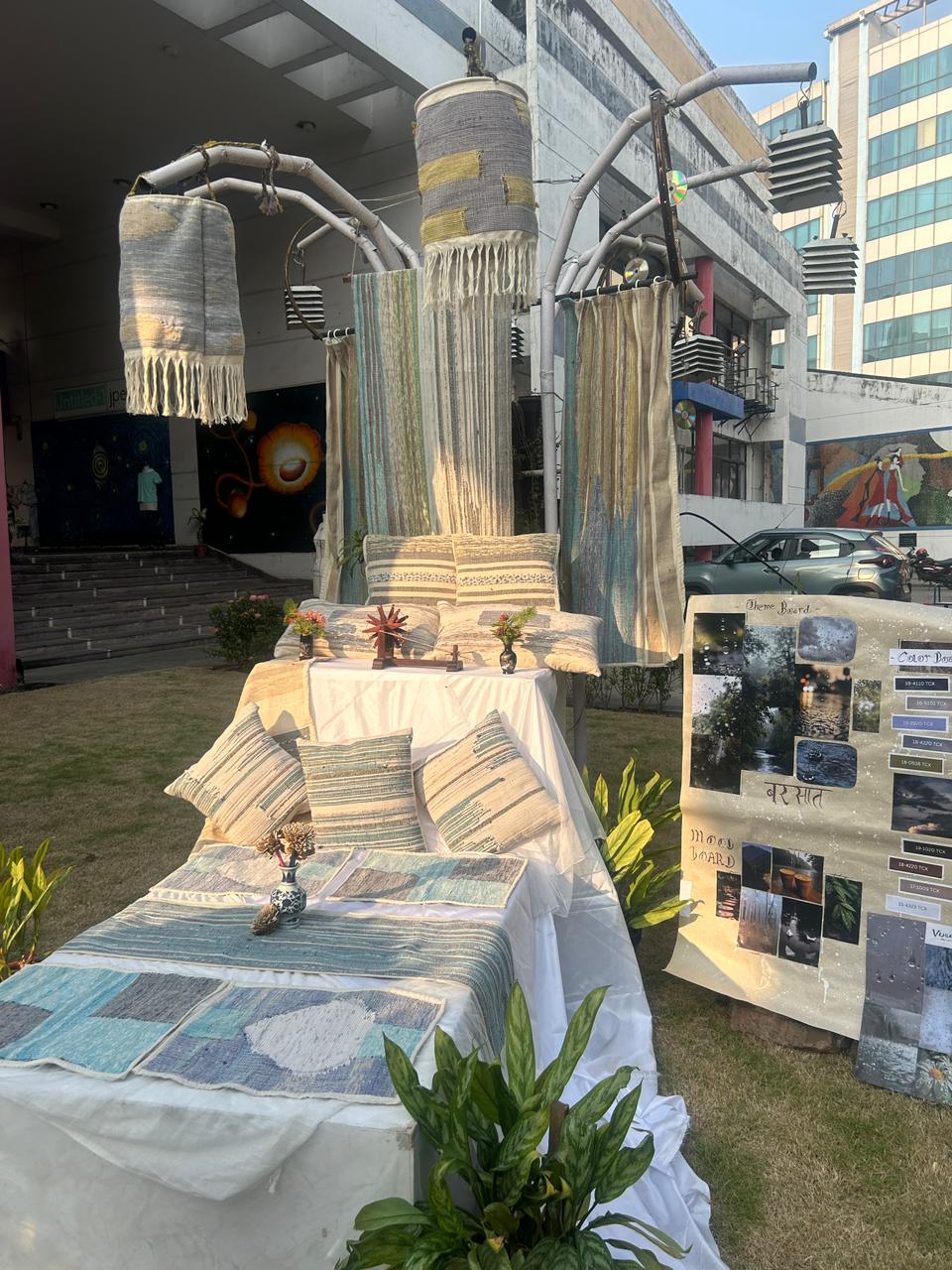
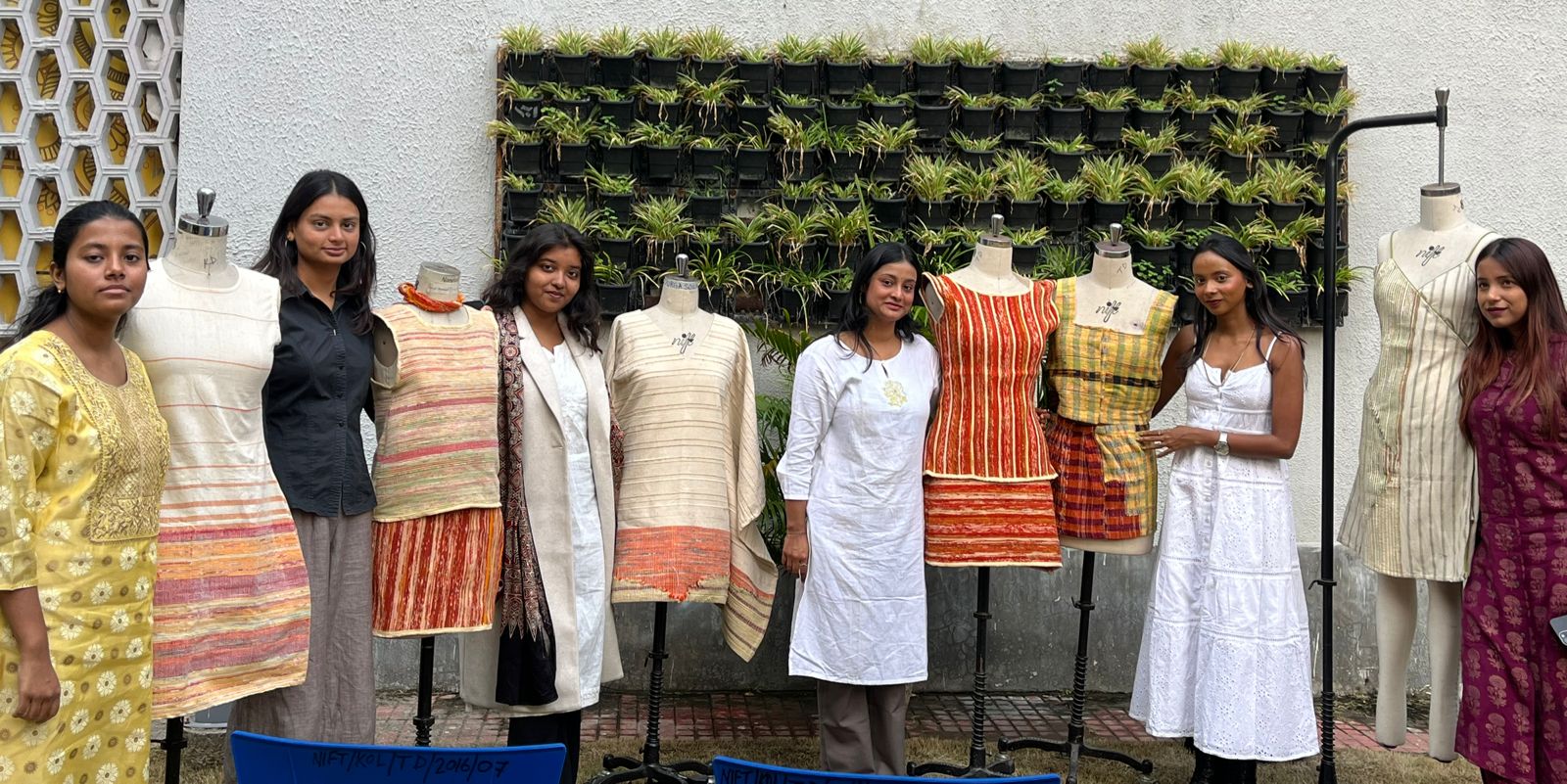
In the 7th semester, we participated in a craft cluster project in Bolpur, Shantiniketan, exploring the traditional art of Khesh weaving in the month of October 2025. Through close interaction with artisans, we learned about its sustainable practices, cultural significance, and intricate weaving process. Observing the transformation of recycled yarns into textiles deepened our appreciation for craft traditions. Developing a product range from this experience challenged us to balance innovation with authenticity, reinforcing the importance of community, sustainability, and conscious design in contemporary practice.

About the project
- Khesh Weaving, Bolpur, Santiniketan
- CRAFT BASED DESIGN PROJECT (CBDP) – SUMMARY REPORT
- Department: Textile Design
- Batch: 2022–2026
- Institute: National Institute of Fashion Technology (NIFT), Kolkata
- Craft Cluster: Khesh Weaving, Bolpur, Santiniketan, Birbhum, West Bengal
- Mentor Name: Ms. Ahana Majumder, Professor, Textile Design Department, NIFT Kolkata
Chapter 1 - Sahaay
Group Members:
- Pranati Shendye
- Benazir Ahmed
- Navya Deepthi Darla
- Sakshi Fouzder
- Astha Sarswat
- Himangi Mittal
- Divakar Singh
Chapter 2 - Threads of Reinvention
Group Members:
- Aheli Biswas
- Sohangi
- Yana Vishwakarma
- Ananya Goel
- Gitika Sharma
- Sanskriti Jain
Chapter 3 - Threaded Waters
Group Members:
- Raunak Rai
- Prakriti
- Prerana Mallick
- Nisha Singh
- Shyamali Karan
- Aishi Dutta
- Sushmita Das
Chapter 4 - Strata Stories
Group Members:
- Bhumika Roy
- Snigdha Naiyya
- Amisha Sharma
- Shalini Kumari
- Mitali
- Shreya
Chapter 5 - Barsaat
Group Members:
- Shrishti Charan Pahari
- Anshu Jain
- Khushi Kumari
- Priyanka Prakash Lal
- Shashank Shekhar
- Manjari Chaudhary
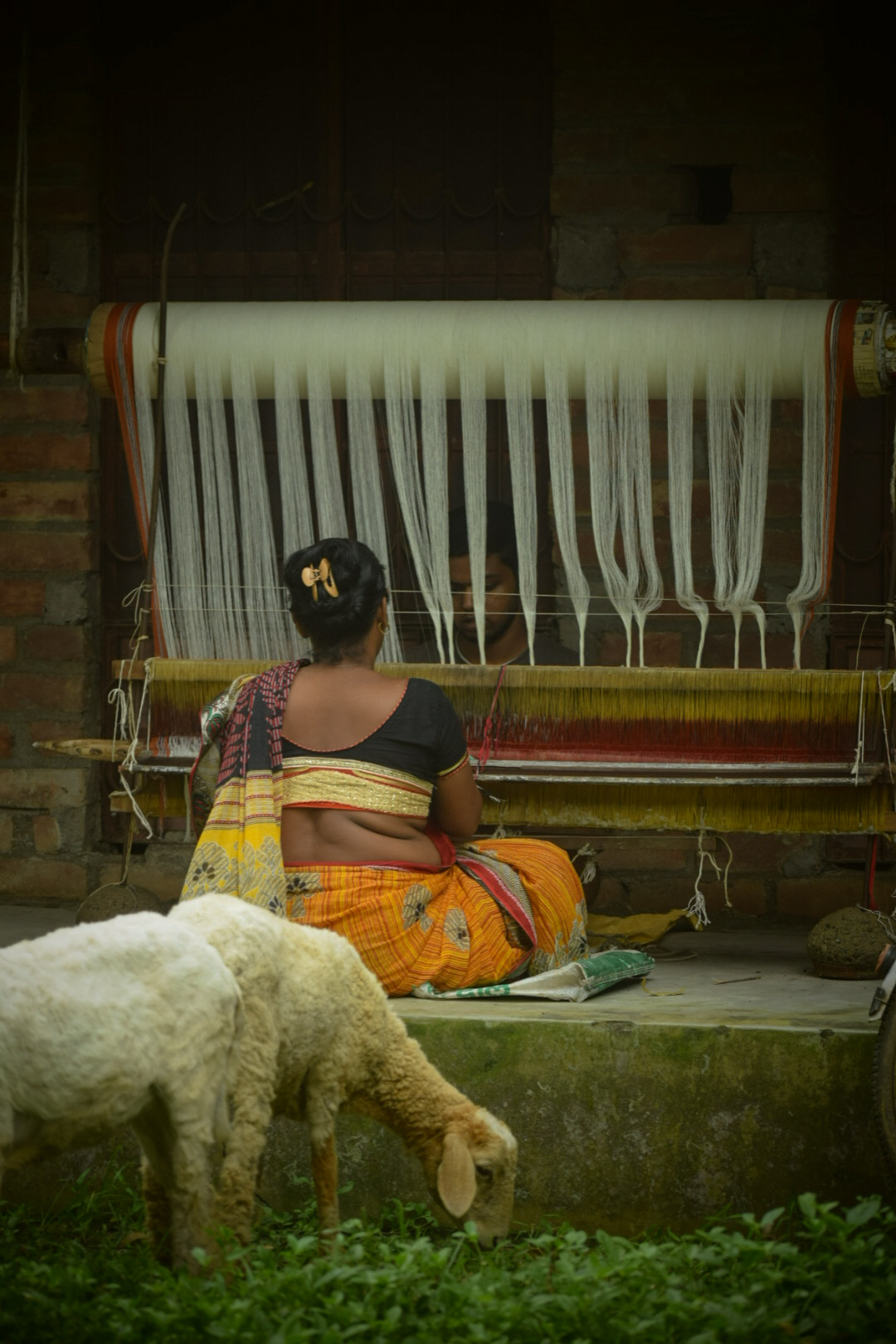
During the 7th semester, we had the opportunity to participate in a craft cluster project in Bolpur, Shantiniketan in the month of October 2025, where we explored the traditional art of Khesh weaving. This experience offered a deep insight into a craft that beautifully combines sustainability, cultural heritage, and skilled craftsmanship. We began by understanding the origins of Khesh, its significance within the local community, and the unique practice of creating textiles from recycled fabric yarns.
Our time in the cluster allowed us to closely observe the entire weaving process—from sorting and preparing the recycled materials to witnessing the rhythmic movements of the loom that bring each textile to life. Interacting with the artisans and listening to their stories helped us appreciate the dedication, knowledge, and cultural values embedded in every woven piece.
The next stage involved translating our learning into a contemporary product range. This challenged us to strike a balance between design innovation and preserving the authenticity of the craft. We aimed to create products that respected the essence of Khesh while making it relevant for modern users. More than a design exercise, this project became a valuable lesson in understanding the importance of craft, community engagement, sustainability, and responsible design practices.
NIFT Assistant
Online — Ready to help
AI