Name: Rajni Srivastava
Department: Textile Design Department
Category: CBDP
Campus : NIFT Patna
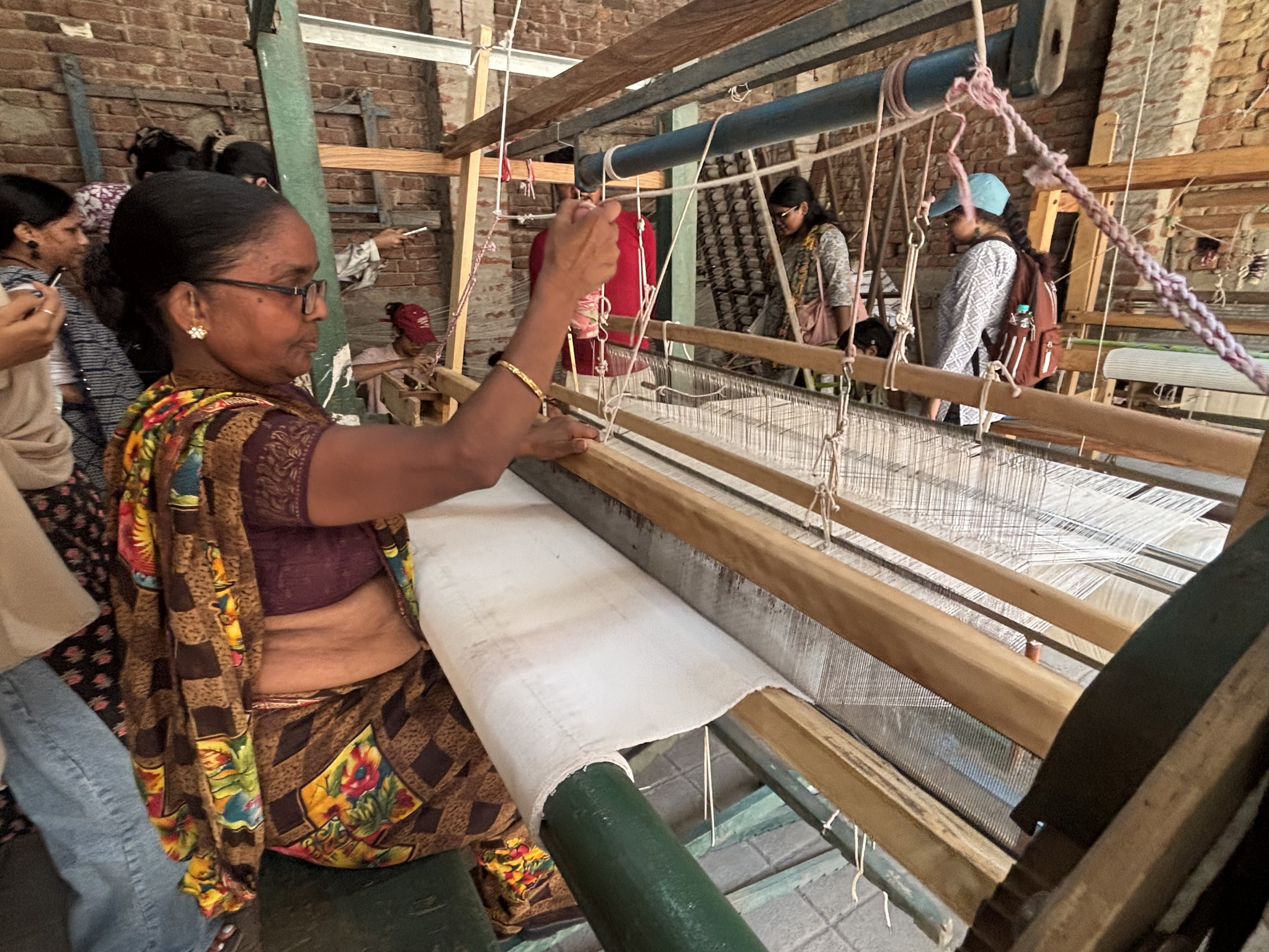
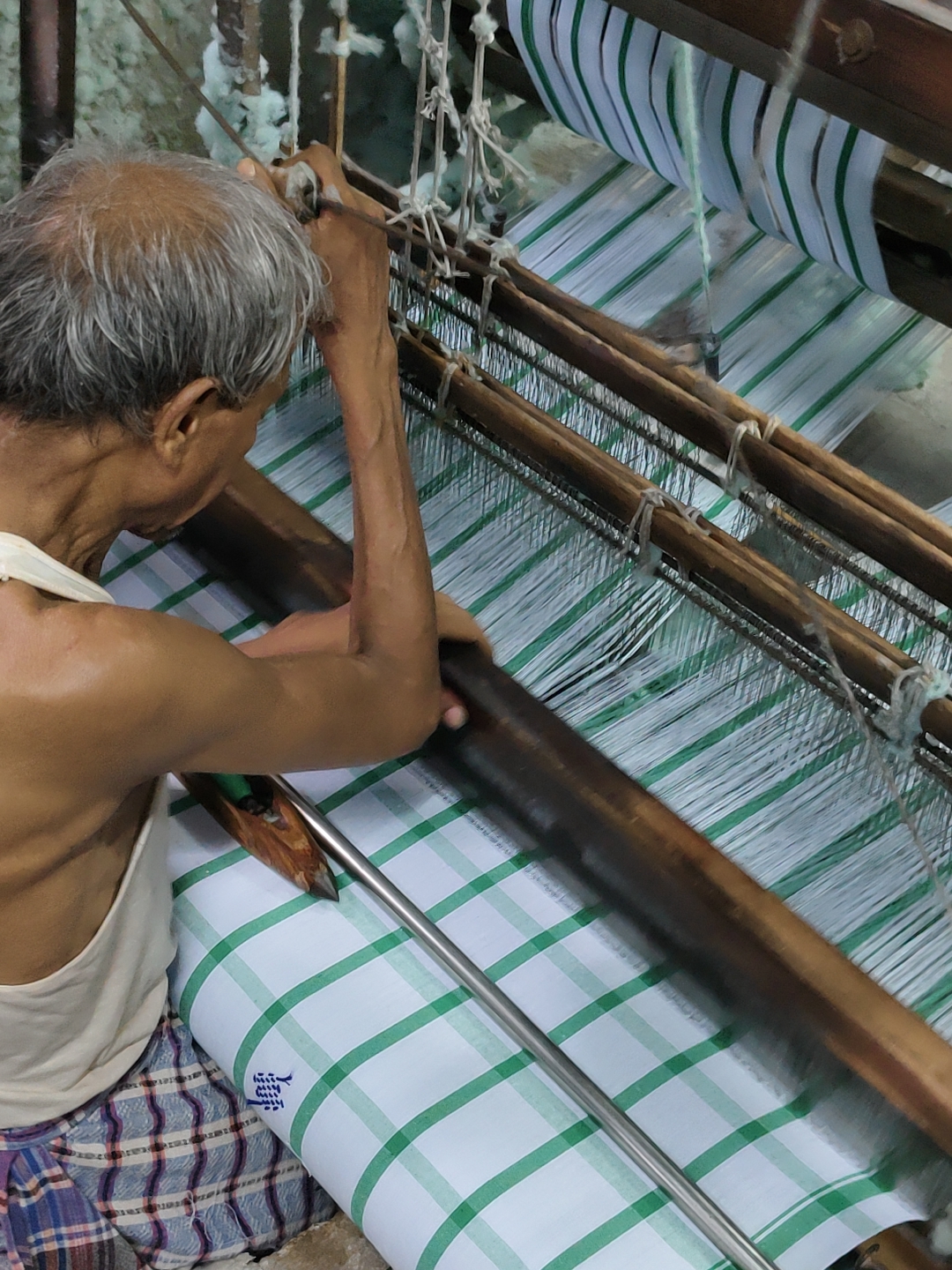
The weaving tradition of Manpur Patwatoli is a way of life, where families work together on handlooms and power looms to create textiles like Lal Padh Saree, Gamchha, and Satranji Chaddar. Skills are passed down generations, with processes like warping, sizing with rice starch, and weaving requiring patience and precision. Yarn dyeing is often outsourced ensuring consistency. Despite challenges of low wages and competition, artisans adapt with new colours and sustainable practices, preserving their cultural identity through resilience and community spirit.

About the project
- Students: Asritha Bodasakurti, Iqra khan, Khushi Kumari, Mane Vedantika, Sara Hadish, Sujata
- Batch: 2023 - 2027
- Department: Department of Textile Design
- Campus: NIFT PATNA
- Craft Name: Handloom Weaving
- Cluster Name: Handloom Weaving in Gaya Ji (Manpur, Bihar)
- Faculty mentor: Mr Siddhartha Mallick, Assistant Professor, TD, NIFT PATNA
- Artisan Names: Ishwar Prasad, Mohd Shamim Ansari, Gunuriram, Ramchandan
CRAFT RESEARCH AND DOCUMENTATION 2025 – MANPUR GAYAJI
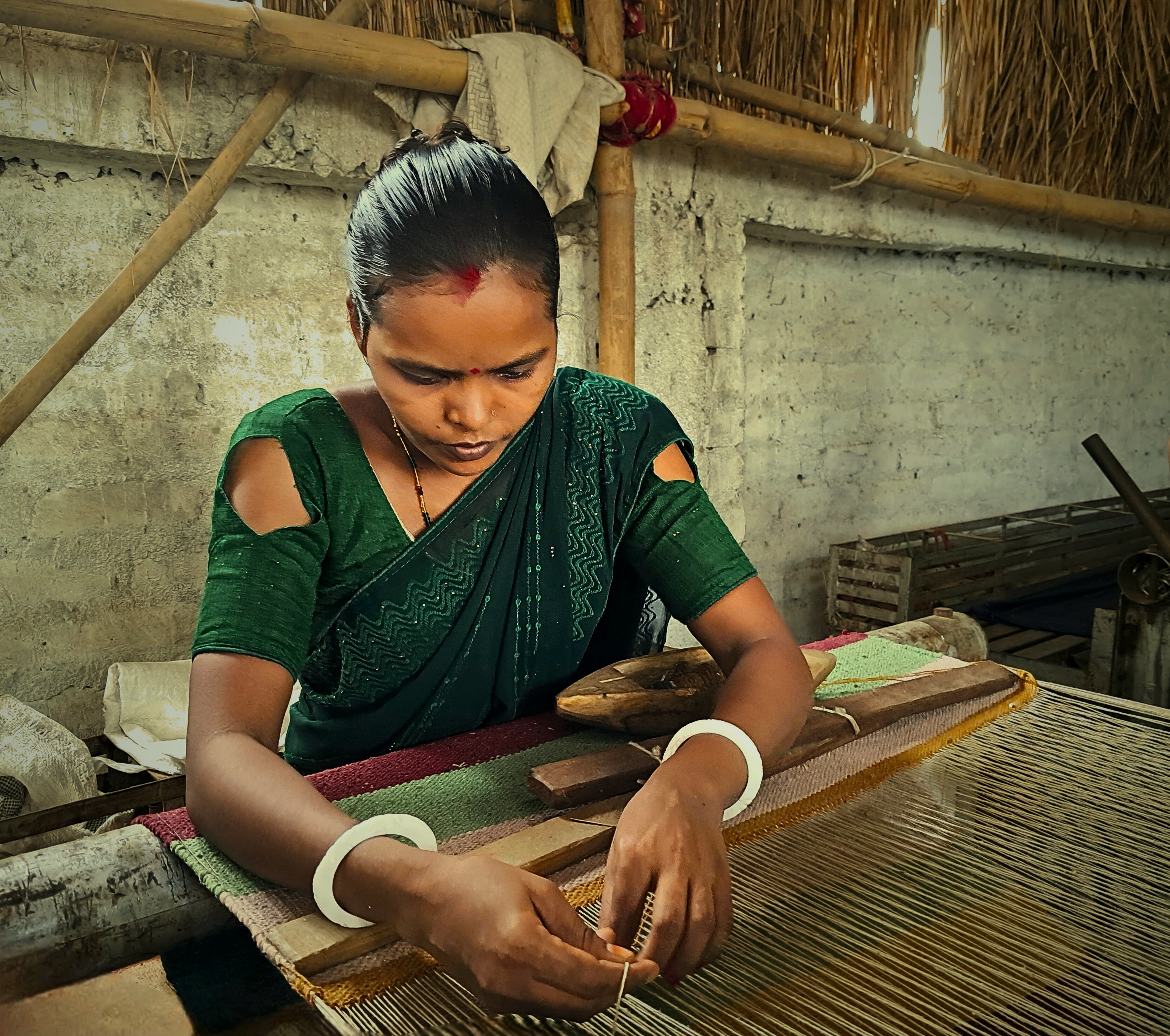
The Manpur Patwatoli weaving community in Gaya epitomizes weaving as a way of life, deeply interwoven with daily routines, culture, and traditions. Weaving here transcends mere occupation—entire families participate, with men operating looms and women assisting in preparatory tasks like winding, warping, and sizing yarn. This intricate craft is transmitted across generations through observation and shared experience rather than formal education, reinforcing a strong cultural identity despite changing times. The continuous sound of looms is emblematic of the community’s rhythm.
Social interactions and household routines coexist with weaving activities, emphasizing the craft’s integrative role in life. Skills are learned hands-on within families, highlighting practical expertise and community heritage as vital elements of sustaining craft quality and identity. The artisans employ both handlooms and power looms, choosing according to the textile being produced. Key handcrafted products include: Lal Padh Saree, Gamchha, Satranji Chaddar.
Steps in weaving involve Warping: Precise alignment of long cotton yarns, forming the fabric’s basic structure. Beaming: A delicate process to ensure smooth operation of the loom. Sizing: Application of rice starch strengthens the yarn and prevents friction during weaving. Weaving: This stage demands rhythmic hand and foot movements to produce patterns and borders, requiring focus, patience, and endurance.
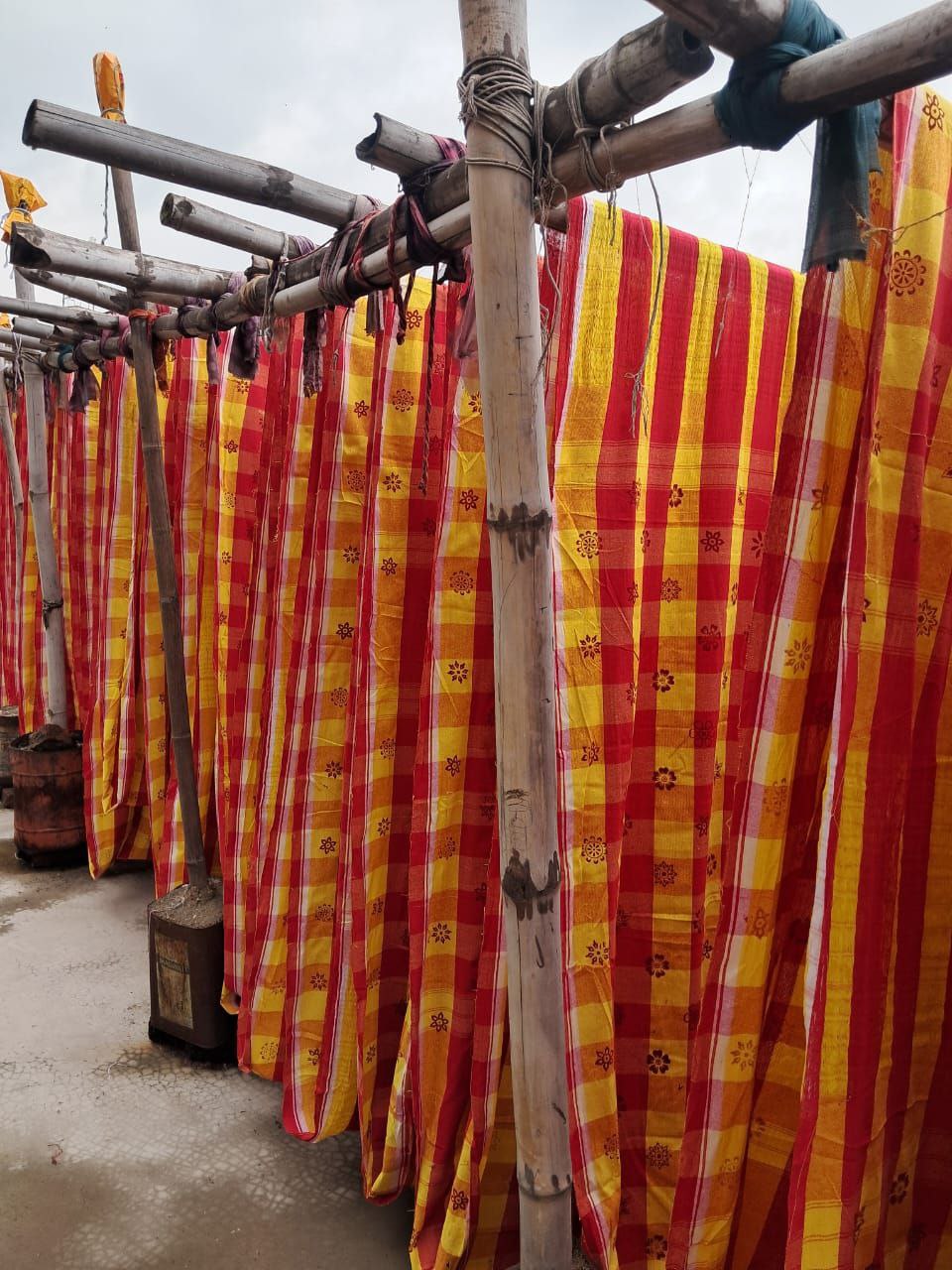
Each piece typically takes several days to complete, underlining the labor-intensive nature of the craft. Yarn dyeing is generally outsourced to Silvassa, a hub known for large-scale yarn dyeing units. Ready-dyed yarns are preferred for their color consistency and strength, which reduces production time and color variation risks. Traditional colors for textiles like Satranji Chaddar and Lal Padh Saree are carefully selected to align with local preferences and market demand.
Once received, yarns are dried, wound, and prepared locally for weaving. This hybrid approach reflects a balance between tradition and modern supply chains, helping artisans maintain quality while adapting to contemporary needs. The Manpur Patwatoli weavers navigate several challenges: Low wages and intense competition from mass-produced textiles.
Fluctuating market demand which affects income stability. Despite these hurdles, many weavers are innovating by: Experimenting with new colors. Improving quality standards. Exploring sustainable production methods.These efforts are undertaken while remaining rooted in traditional techniques and community values. The craft embodies history, labor, and identity, reflecting a living tradition. Manpur Patwatoli showcases resilience through skill, cultural pride, and community cooperation.The integration of traditional handloom weaving with modern practices supports both sustainability and adaptability in an evolving market context.
NIFT Assistant
Online — Ready to help
AI