Name: Sanjhi Craft, Batch 2023-27
Department: Fashion Communication Department
Category: CRD
Campus : NIFT Raebareli
Data Chunks CIC 100% O3 Sanjhi Craft, Mathura (RAAS) Faculty Mentor: Mr. Priyanshu Srivastava, Asst. Prof., FC, NIFT Raebareli Students Group: (Batch 2023-27), CRD Done in June-July, 2025 1. Dhruvika Dwivedi 2. Gauri M, Kavya Tewari 3. Laksh Gupta 4. Pratyush Harsh 5. Tanya Kumari 6. Vaisakh Ajayakumar Brief Note: Sanjhi, the ancient paper-cutting and stencil art of Mathura and Vrindavan, is a delicate expression of Braj’s devotion and artistic heritage. Traditionally used to create enchanting floor and water rangolis in Lord Krishna temples at dusk, it is deeply rooted in the divine Raas Leela of Radha and Krishna. Through intricate paper cuts and vibrant colored powders, Sanjhi narrates stories of faith, spirituality, and culture, transforming sacred spaces into living canvases of devotion. Documented through the Craft Research Documentation (CRD) undertaken by the FC Department of NIFT Raebareli, this remarkable tradition reflects the enduring cultural identity of Braj. Today, however, Sanjhi stands as a languishing craft, challenged by changing temple practices, limited local patronage, and the dwindling presence of master artisans who carry its legacy forward. Sanjhi Craft, Mathura (RAAS) Faculty Mentor: Mr. Priyanshu Srivastava, Asst. Prof., FC, NIFT Raebareli Students Group: (Batch 2023-27), CRD Done in June-July, 2025 1. Dhruvika Dwivedi 2. Gauri M, Kavya Tewari 3. Laksh Gupta 4. Pratyush Harsh 5. Tanya Kumari 6. Vaisakh Ajayakumar Brief Note: Sanjhi, the ancient paper-cutting and stencil art of Mathura and Vrindavan, is a delicate expression of Braj’s devotion and artistic heritage. Traditionally used to create enchanting floor and water rangolis in Lord Krishna temples at dusk, it is deeply rooted in the divine Raas Leela of Radha and Krishna. Through intricate paper cuts and vibrant colored powders, Sanjhi narrates stories of faith, spirituality, and culture, transforming sacred spaces into living canvases of devotion. Documented through the Craft Research Documentation (CRD) undertaken by the FC Department of NIFT Raebareli, this remarkable tradition reflects the enduring cultural identity of Braj. Today, however, Sanjhi stands as a languishing craft, challenged by changing temple practices, limited local patronage, and the dwindling presence of master artisans who carry its legacy forward. Turn on screen reader support To enable screen reader support, press Ctrl+Alt+Z To learn about keyboard shortcuts, press Ctrl+slashBanner hidden

About the project
- Sanjhi Craft, Mathura (RAAS)
- Faculty Mentor: Mr. Priyanshu Srivastava, Asst. Prof., FC, NIFT Raebareli
- Students Group: (Batch 2023-27)
- CRD Done in June-July, 2025
Students Group:
- Dhruvika Dwivedi
- Gauri M
- Kavya Tewari
- Laksh Gupta
- Pratyush Harsh
- Tanya Kumari
- Vaisakh Ajayakumar
Brief Note:
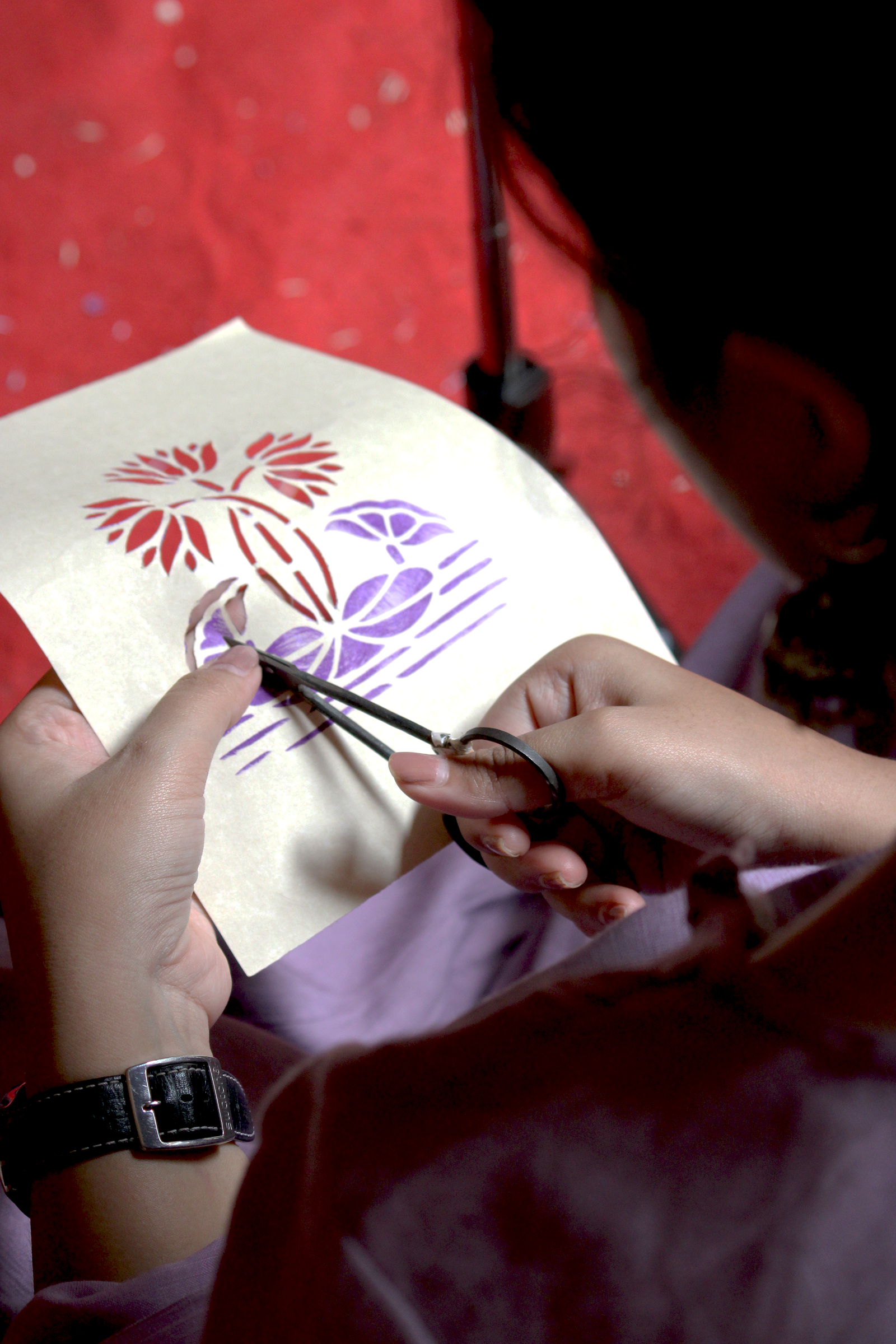
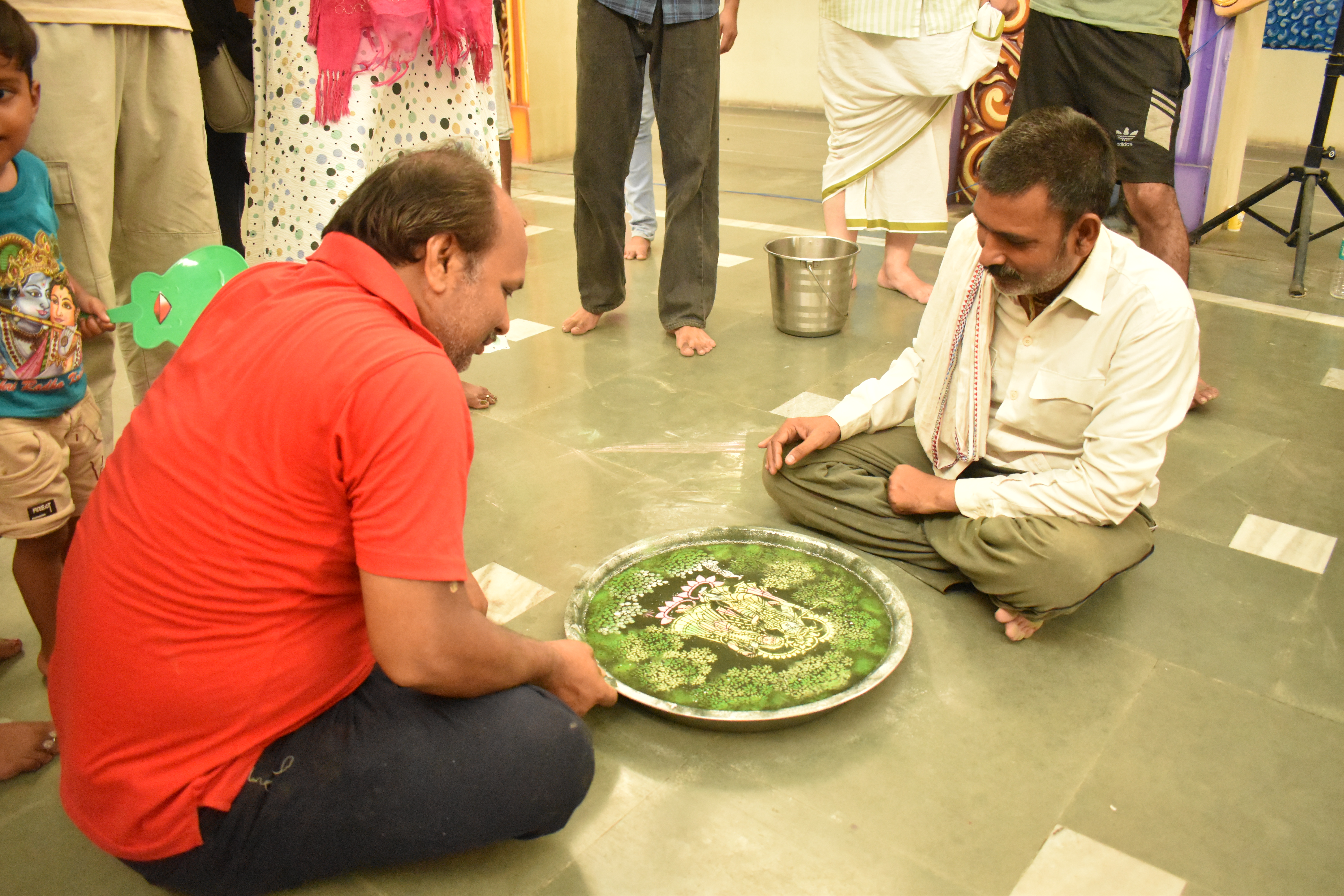
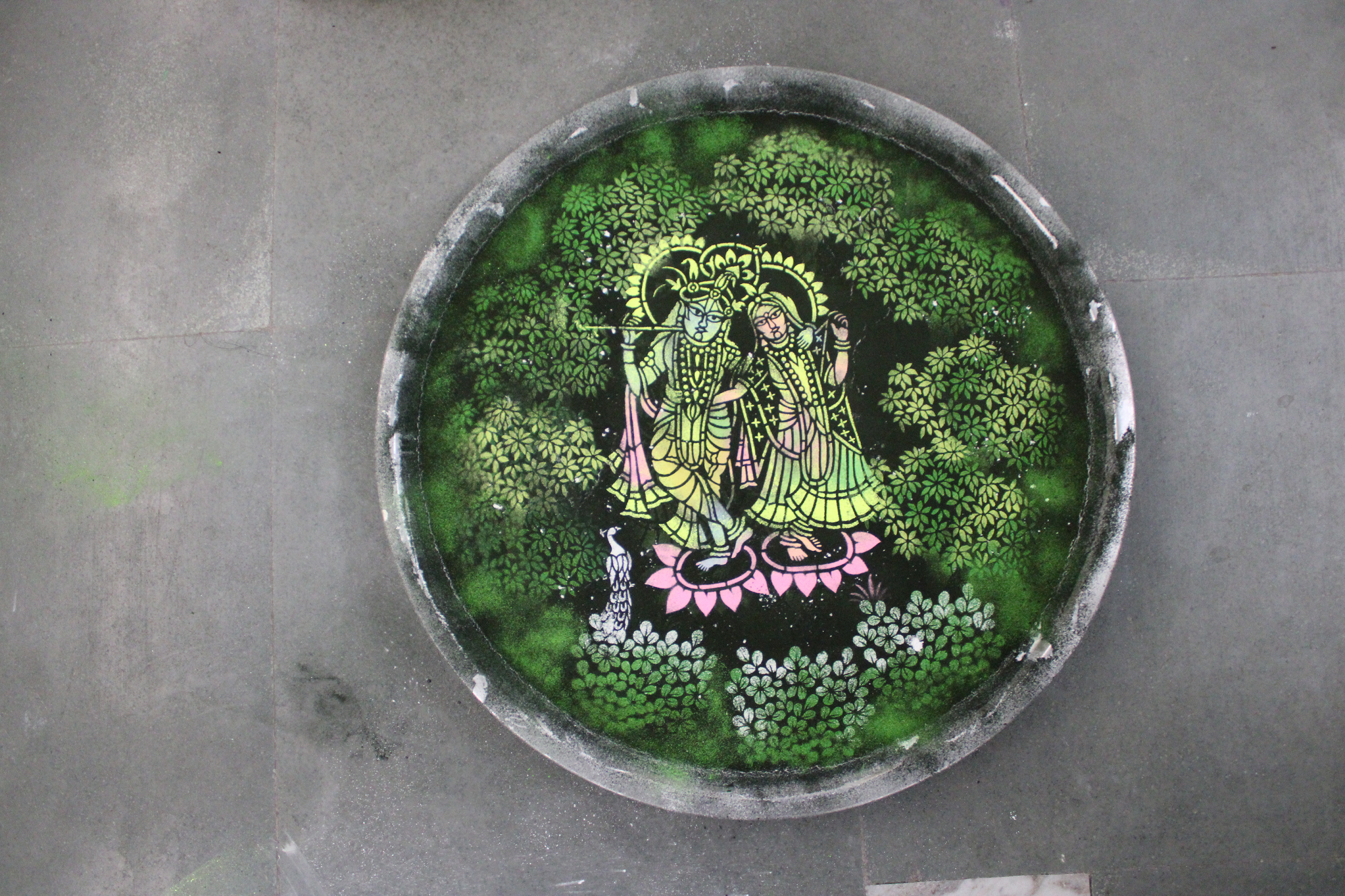
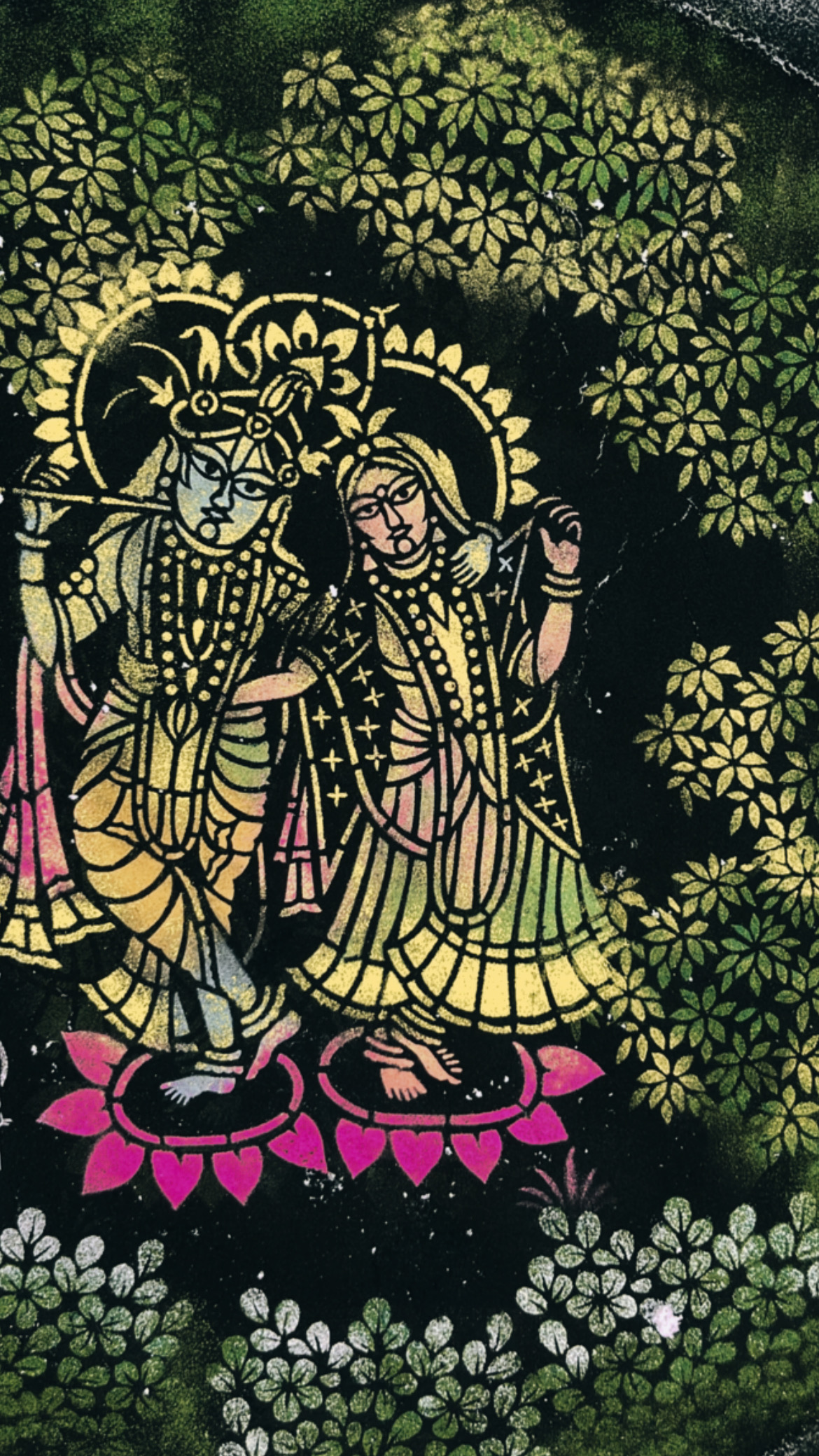
Sanjhi is an ancient paper-cutting and stencil art from Mathura and Vrindavan, Uttar Pradesh. Traditionally used to create floor and water rangolis in Lord Krishna temples during dusk, it is now considered a languishing craft due to changing temple traditions, a lack of local buyers, and a declining number of master artisans. This research documentation explores Sanjhi, a sacred stencil-based art form rooted in the devotional and cultural landscape of the Brajregion, particularly in Mathura and Vrindavan, Uttar Pradesh. Traditionally associated with the worship of Radha and Krishna, Sanjhi is both an ephemeral craft and a spiritual medium of storytelling, employing intricately cut paper stencils and vibrant dry pigments to create symbolic visual narratives. The study delves into the historical origins, mythological significance, and ritualistic functions of Sanjhi art, tracing its transformation from intimate folk expression to a codified temple tradition during the Bhakti movement. Through extensive fieldwork, artisan interviews, and ethnographic observation, this documentation examines the socio-cultural relevance of the craft in contemporary contexts while highlighting challenges related to its preservation and modernization. The research further analyzes the materials, techniques, motifs, and symbolism embedded in Sanjhi practices and presents a detailed account of the communities that continue to sustain this intangible heritage.
In doing so, the project seeks to not only document the craft’s tangible dimensions but also its role as a living conduit of spiritual expression and cultural continuity. This study underscores the importance of recognizing and supporting traditional arts like Sanjhi as vital components of India’s cultural identity and advocates for renewed appreciation, awareness, and institutional engagement to ensure their sustained future.
NIFT Assistant
Online — Ready to help
AI