Name: Dr Rahul Kushwaha
Department: Fashion Management Studies Department
Category: CRD
Campus : NIFT Daman
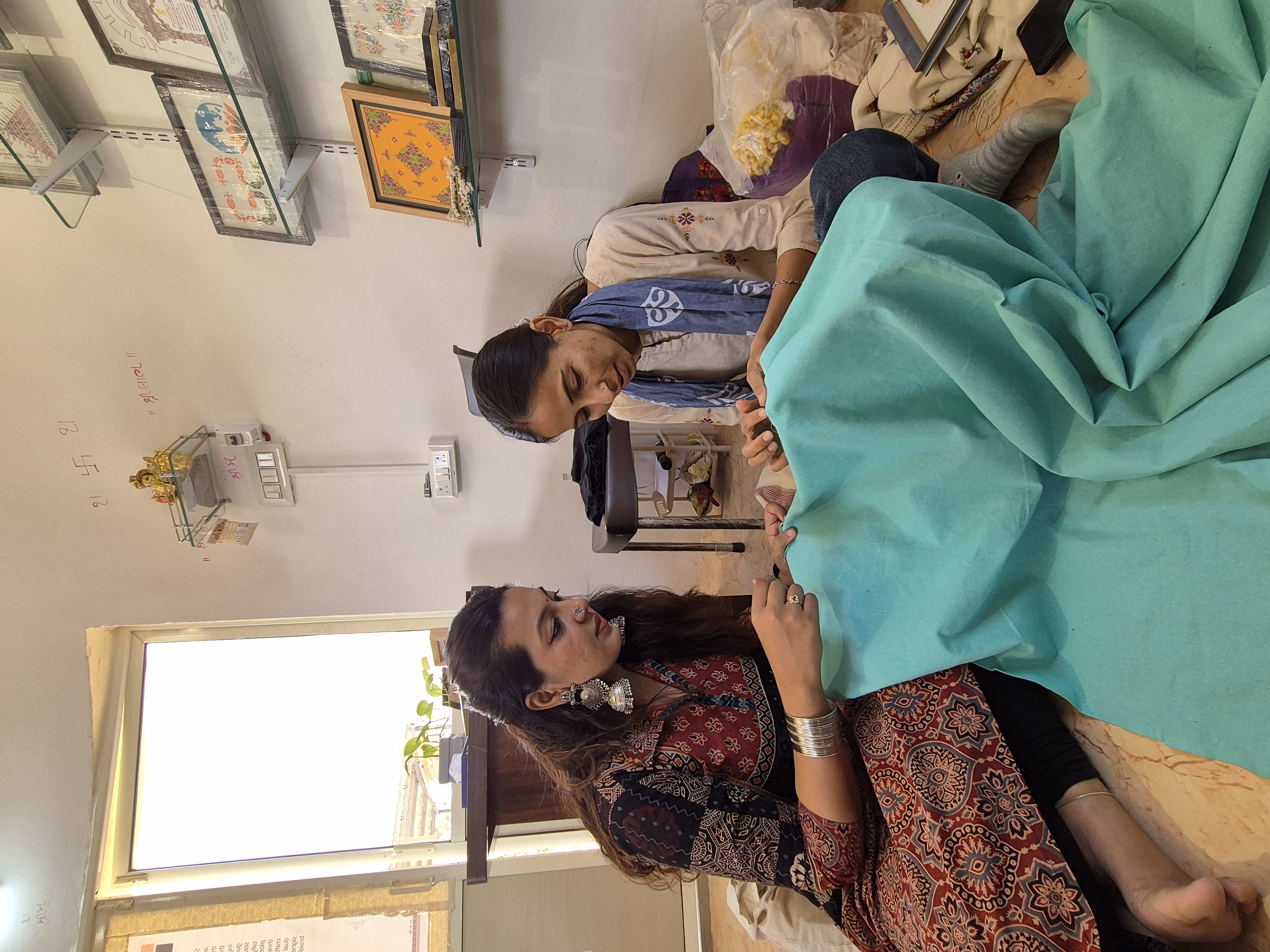
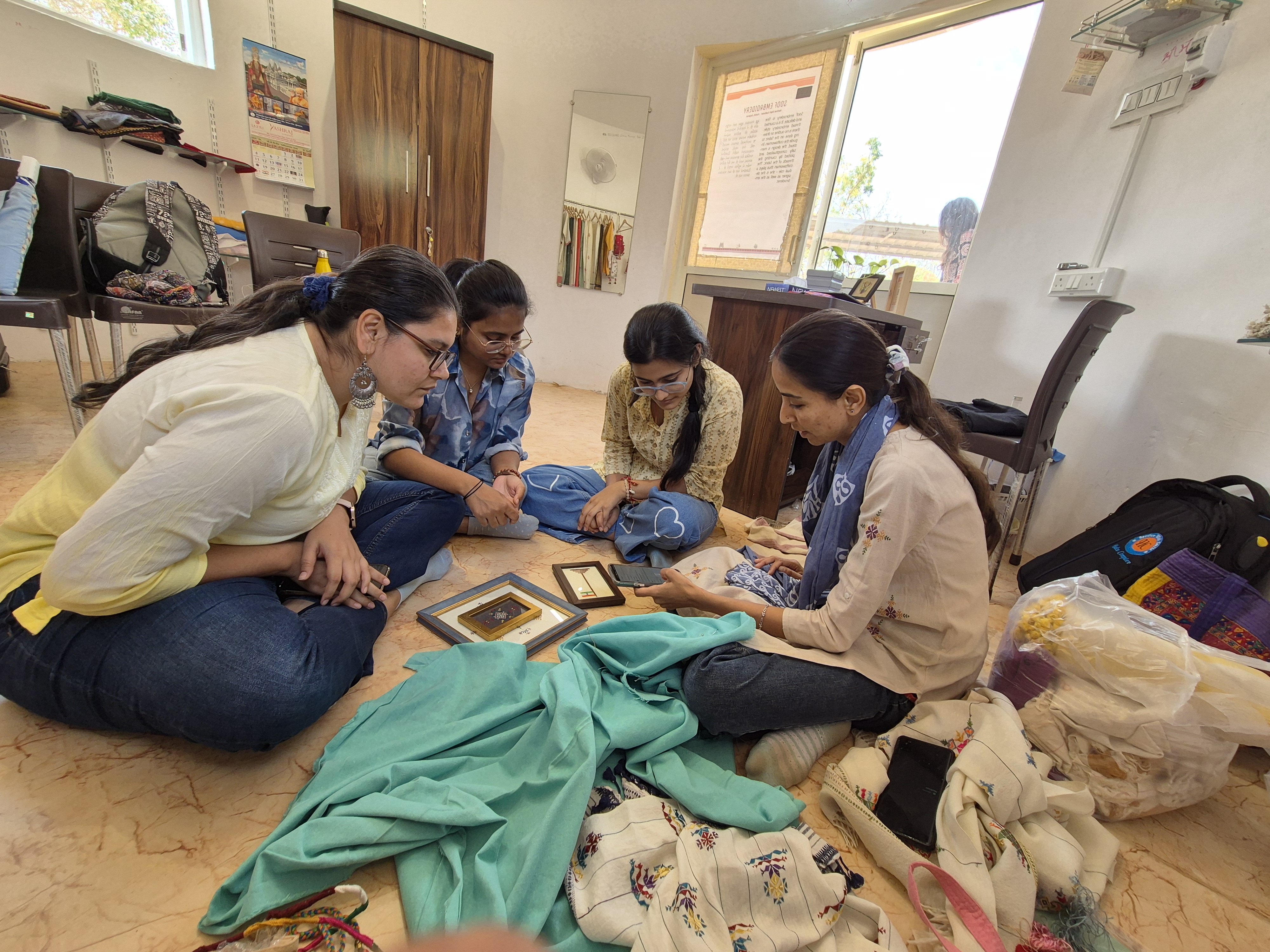
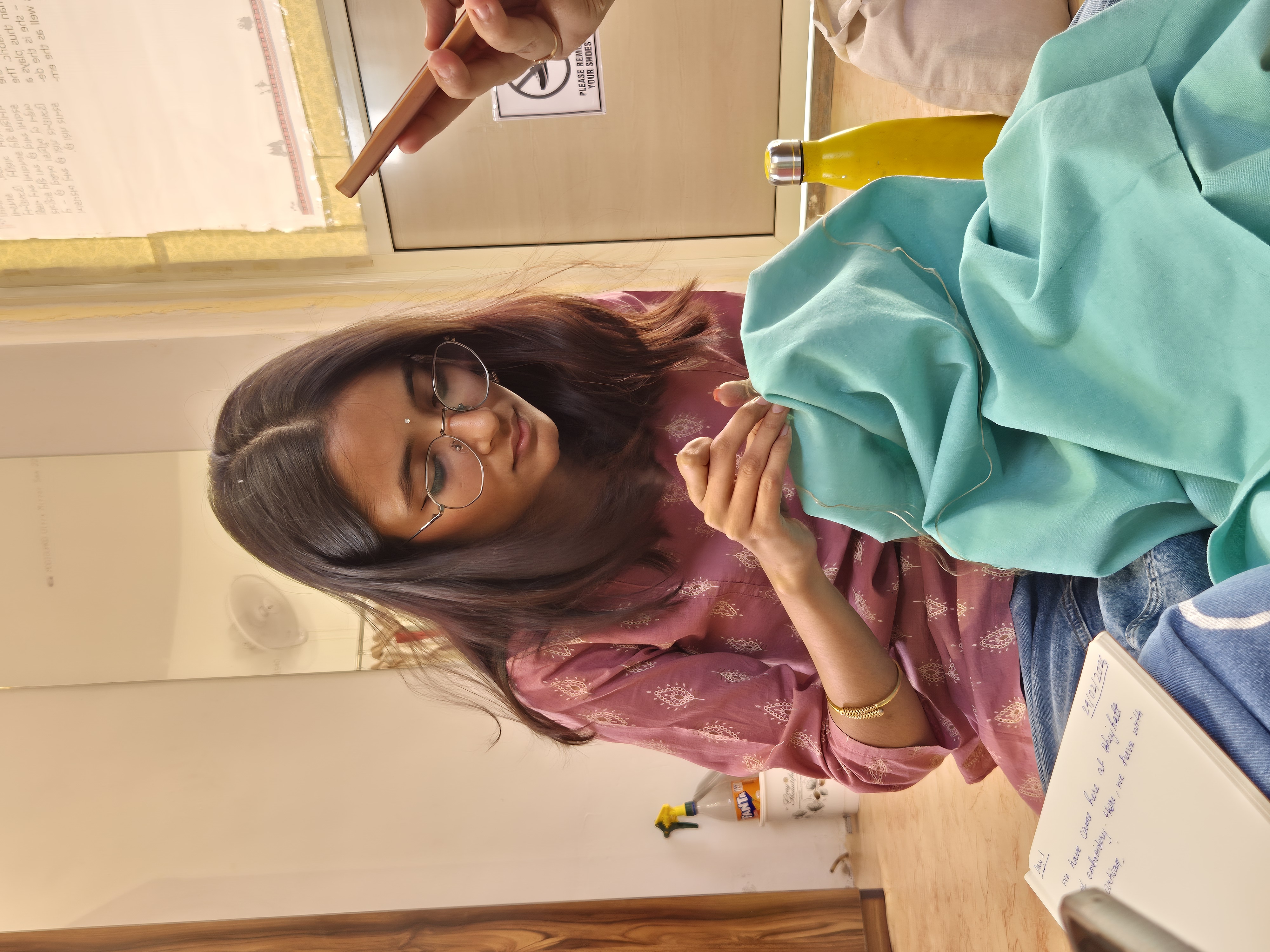
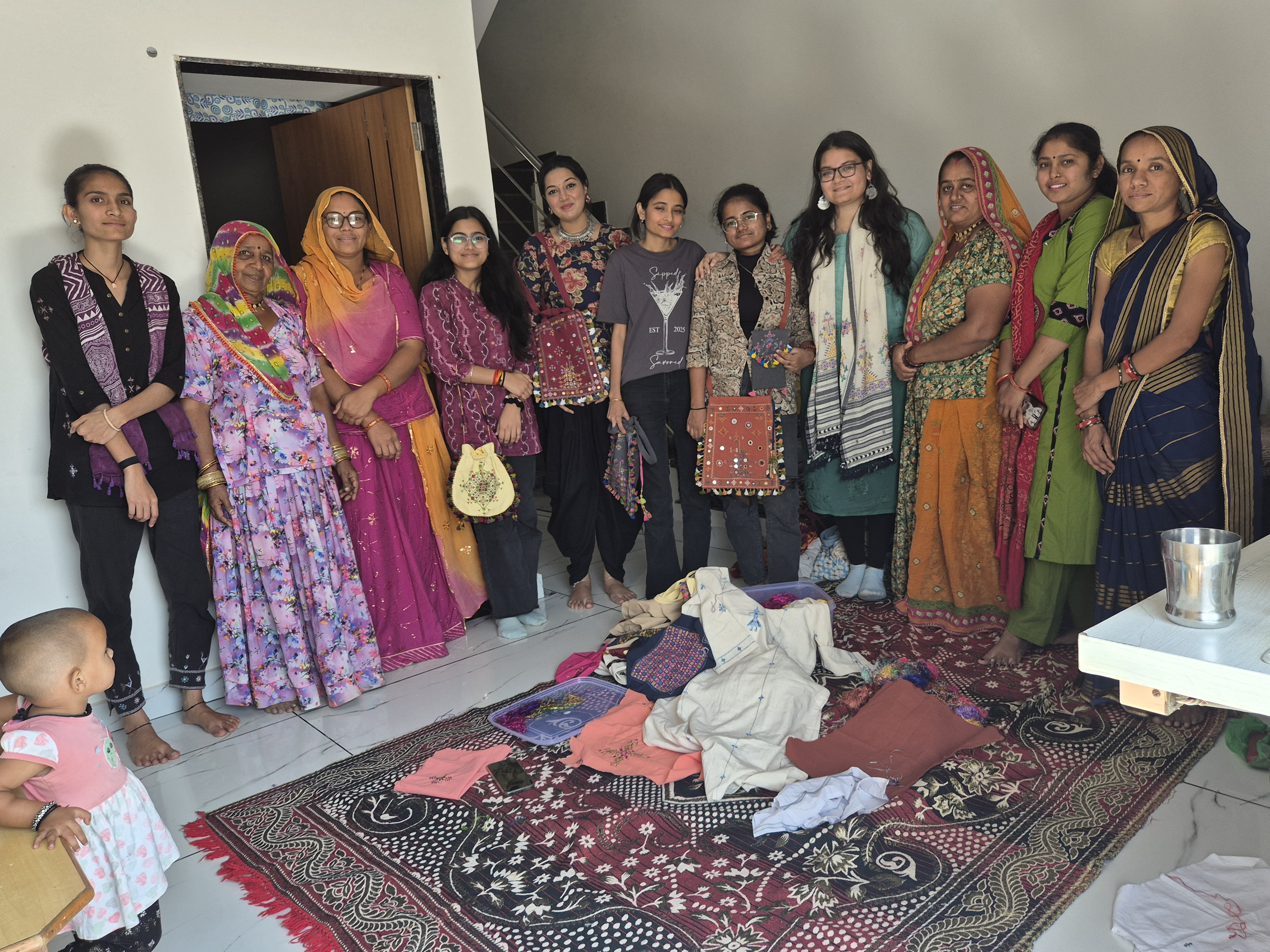
As part of our CRD project, we visited Bhuj, Kutch, to study Soof embroidery, a traditional counted-thread embroidery practiced by the Sodha Rajput and Meghwal Maaru communities. The craft is known for its intricate geometric patterns created from the reverse side of the fabric by counting warp and weft threads. We interacted with artisans, observed the embroidery process, and learned about its applications in contemporary products. The visit also highlighted challenges related to market competition, recognition, and fair pricing, while showcasing the artisans' dedication to preserving this valuable cultural heritage.

About the project
As part of the Cluster Studies Research, Documentation and Field Visit (CRD) project, our group was assigned Soof embroidery as our craft cluster. To gain firsthand knowledge of this traditional craft, we visited Bhuj, Kutch, Gujarat, one of the major centers where Soof embroidery is actively practiced. Although the craft has its roots in villages such as Sumrasar, many skilled artisans are now based in Bhuj, making it an important hub for the preservation and promotion of this heritage craft.
Soof embroidery is a distinctive form of counted-thread embroidery traditionally practiced by the Sodha Rajput and Meghwal Maaru communities of Kutch. The term “Soof” refers to a triangular motif that forms the basis of its intricate geometric patterns. Unlike many other embroidery techniques, Soof is executed from the reverse side of the fabric without any traced design. Artisans rely solely on counting the warp and weft threads, demonstrating remarkable precision, concentration, and years of acquired skill.
During our visit, we interacted with six experienced artisans who shared valuable insights into the history, techniques, and evolution of the craft. We observed the detailed process of creating symmetrical patterns using colorful silk and cotton threads on fabrics such as cotton and linen. Traditionally used in garments and dowry textiles, Soof embroidery is now adapted into contemporary products including kurtas, dupattas, bags, cushion covers, wall hangings, book covers, and other home décor items.
The artisans also highlighted challenges such as labor-intensive production, competition from machine-made alternatives, limited market awareness, and the need for fair pricing. Despite these obstacles, they remain committed to preserving this rich cultural tradition. The visit was an enriching learning experience that deepened our understanding of both the technical excellence and cultural significance of Soof embroidery while encouraging us to explore ways of supporting artisan livelihoods through effective management and marketing strategies.
NIFT Assistant
Online — Ready to help
AI