

Kamlesh Kumar – craft close-up

Kamlesh Kumar

GI-tagged Handloom

Kamlesh Kumar

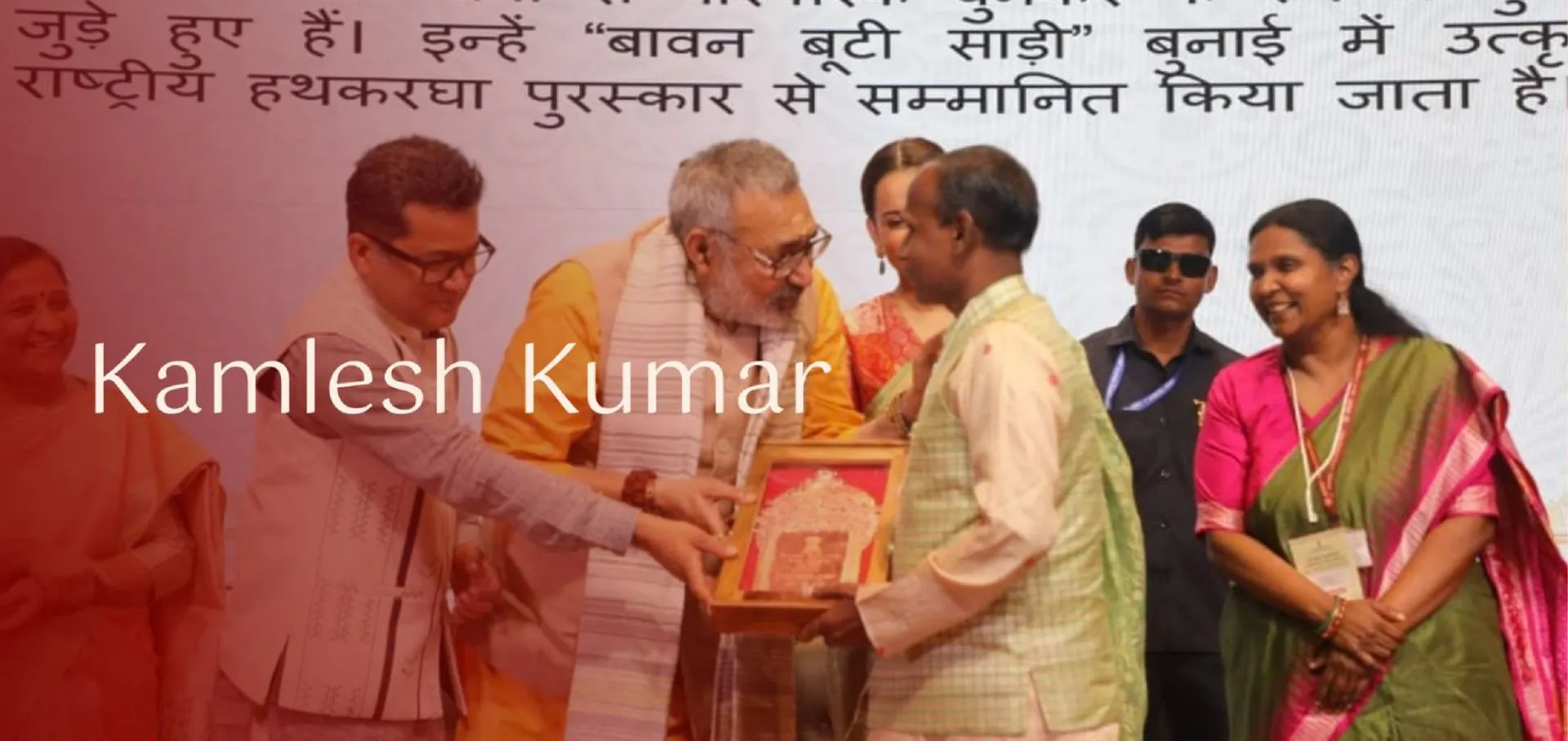
Kamlesh Kumar is a master weaver from Nalanda, Bihar, specialising in GI-tagged Bawan Buti sarees using traditional extra-weft techniques, and recipient of the 2024 National Handloom Award.

The Artisan

Inheriting the craft from his father, Kamlesh Kumar has dedicated over 20 years to traditional handloom weaving in Nalanda, Bihar. He specializes in the intricate extra-weft technique used to craft GI-tagged Bawan Buti sarees in Tussar silk and cotton. Honored with the National Handloom Award 2024 by the Ministry of Textiles.
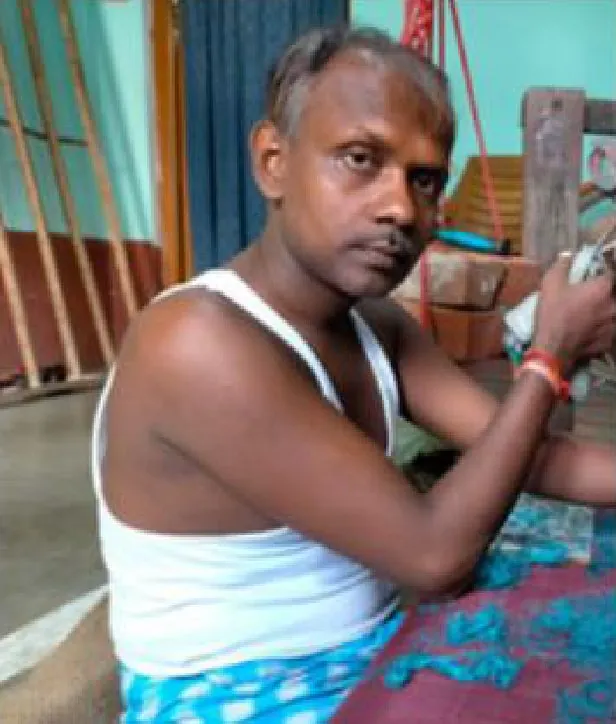
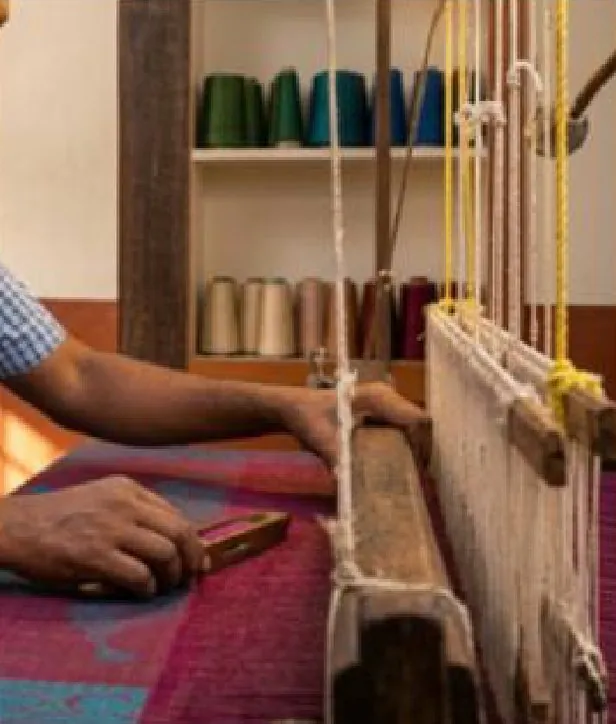
Artisan – Kamlesh Kumar

The Craft

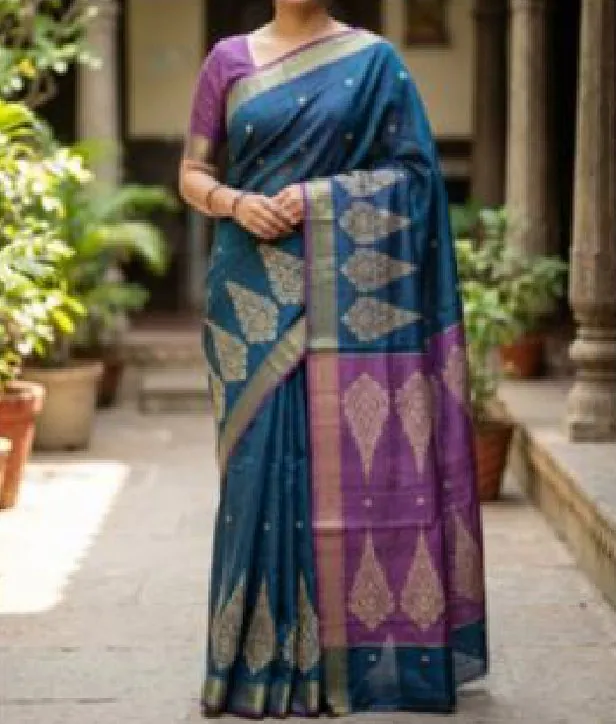
The GI-tagged Bawan Buti saree from Nalanda, Bihar, is woven in cotton or Tussar silk with 52 repeated motifs using the extra-weft technique. Inspired by Buddhist symbols, lotus flowers, and local folklore, it reflects Nalanda's rich heritage. Artisan Kamlesh Kumar helps preserve this traditional craft.

Craft – Kamlesh Kumar

The Place

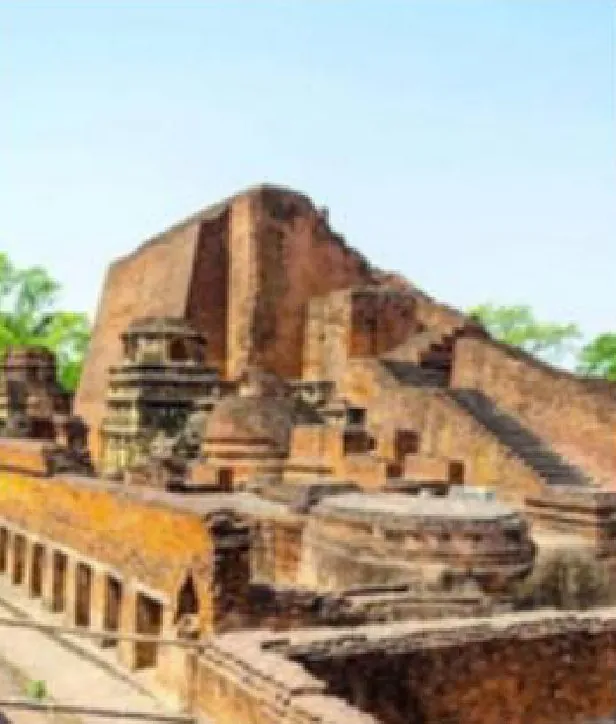
Located in Nalanda, Bihar, the cluster spans villages like Baswan Bigha and Nepura. Artisans use pit looms and extra-weft techniques to weave fifty-two Buddhist-inspired motifs on Tussar silk and cotton. Its GI status helps preserve the craft and support local weaving communities.

Place – Kamlesh Kumar

The Product

Bawan Buti is a classic handwoven craft from Nalanda, Bihar, featuring 52 small motifs woven into the fabric. Best known for Tussar silk and cotton sarees, the technique is also used for dupattas, stoles, and dress fabrics. Each piece is woven by hand, reflecting Nalanda’s rich textile heritage.

Product – Kamlesh Kumar
Nepura (Silao), Nalanda, BiharOrigin
Tussar silk & Fine CottonMaterial
Extra-weft BrocadingTechnique
National Award 2024Recognition

Story behind the Craft

Born in Nalanda, Bihar, Bawan Buti weaving connects ancient Buddhist spirituality with handloom artistry. The name translates to "52 motifs," representing sacred completeness. Artisans manually insert 52 identical extra-weft symbols—such as the lotus, Bodhi leaf, and wheel of dharma—across fine cotton and Tussar silk fabric. Historically patronized by local royalty, the craft reached national prominence when weavers created custom drapes for Rashtrapati Bhavan. Today, this GI-tagged art form preserves Bihar's rich cultural legacy.

Contact : +91 8521232024