

Rachabathula Chiranjeevi – craft close-up

Rachabathula Chiranjeevi

GI-tagged Handloom

Rachabathula Chiranjeevi

Mr. Rachabathula Chiranjeevi carries forward a multi-generational legacy in Mangalagiri handloom cluster. Woven on pit looms, these textiles are defined by plain bodies paired with striking gold zari Nizam geometric borders.

The Artisan

Mr. Rachabathula Chiranjeevi is a seasoned handloom professional continuing his family’s weaving legacy. He has dedicated over two decades to the Mangalagiri cluster since 2004, specialising in dyeing and weaving. He began showcasing his craft early, participating in notable exhibitions, including Pragati Maidan, New Delhi, in 1998.

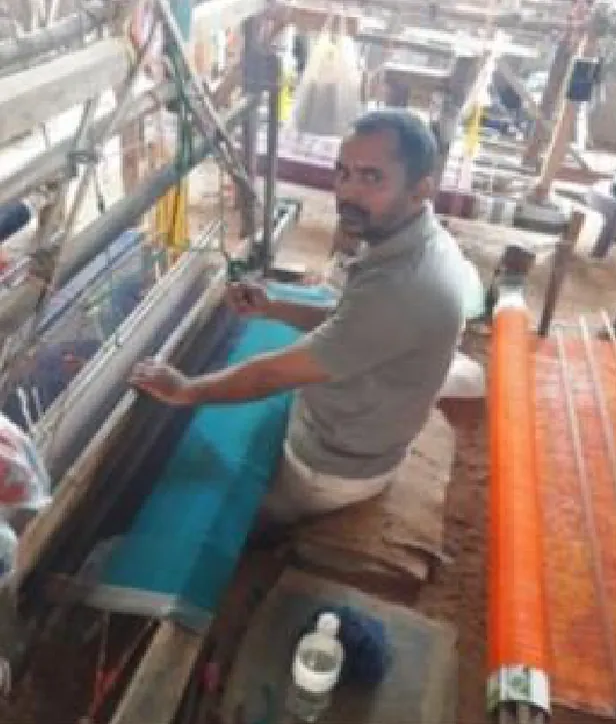
Artisan – Rachabathula Chiranjeevi

The Craft

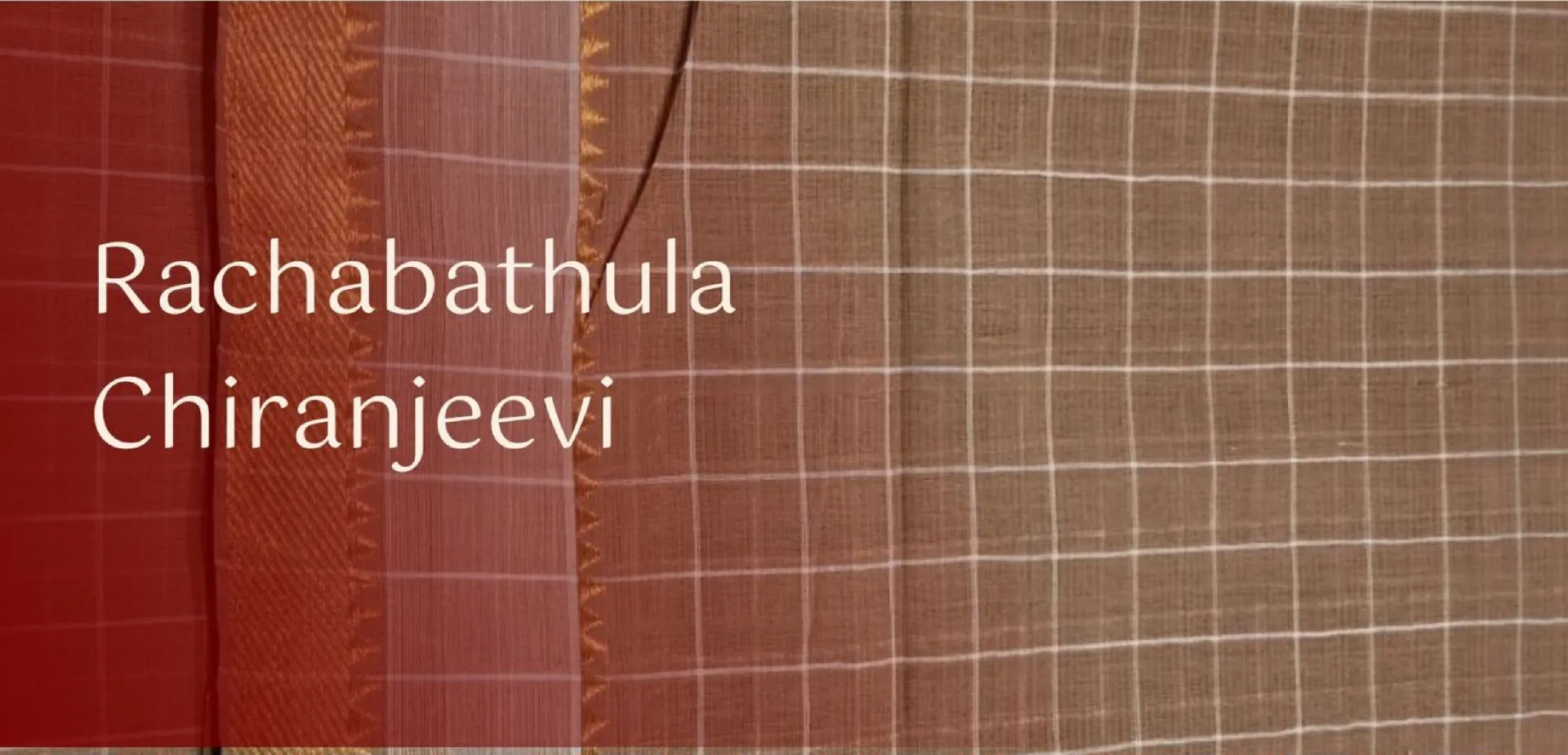
Mangalagiri sarees from Andhra Pradesh are known for their durable, crisp texture and vibrant colours. Woven on pit looms using fine combed cotton yarns, they traditionally feature plain bodies with distinctive gold zari borders, often incorporating the Nizam geometric pattern.

Craft – Rachabathula Chiranjeevi

The Place

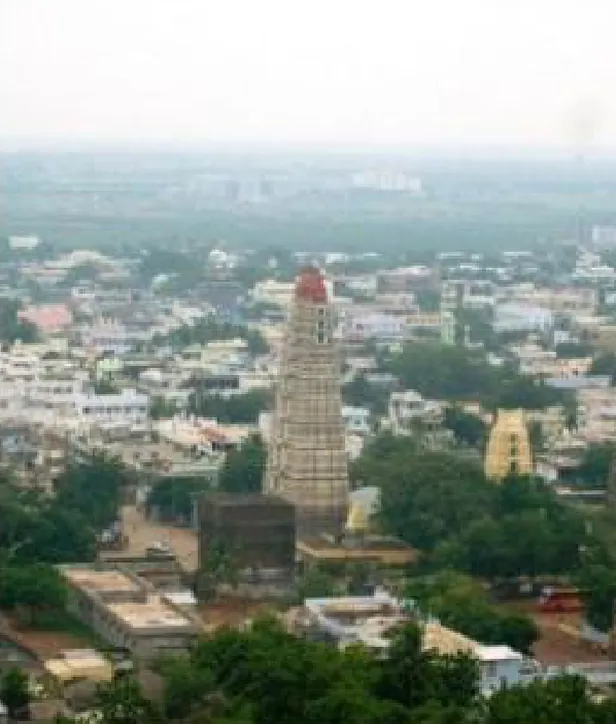
Mangalagiri is a town in Guntur district of Andhra Pradesh, located about 12 km from Vijayawada. Known for its handloom tradition, the town is home to skilled weavers producing Mangalagiri sarees and fabrics. It is also a prominent pilgrimage centre, known for the Panakala Narasimha Swamy Temple on its hill.

Place – Rachabathula Chiranjeevi

The Product

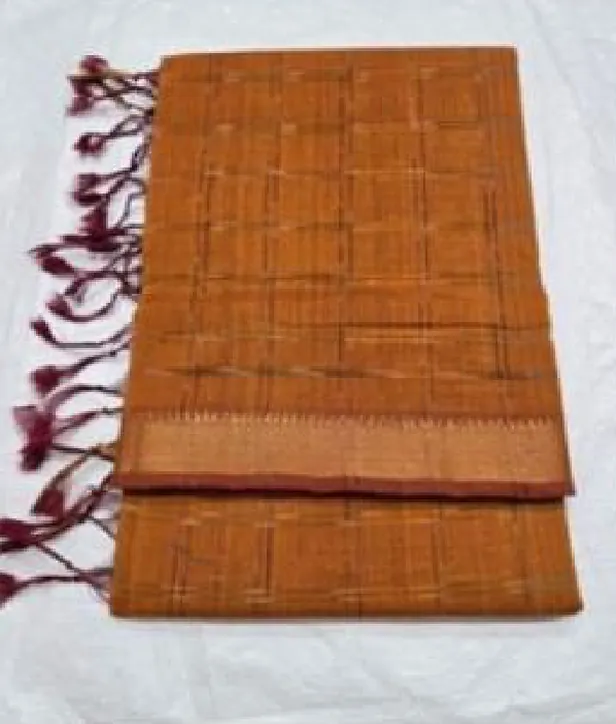
Mangalagiri handlooms are primarily known for sarees, available in a wide range of colours and designs. The cluster also produces dress materials, dupattas, stoles, kurtas and other garments. Traditional products feature vibrant shades and zari borders, while contemporary collections explore subtler colours and simpler designs to suit changing preferences.

Product – Rachabathula Chiranjeevi
Mangalagiri, Andhra PradeshOrigin
Cotton and ZariMaterial
WeavingTechnique
Master ArtisanRecognition

Story behind the Craft

Mangalagiri’s handloom tradition is believed to be around 400 years old, with inscriptions from the region indicating its long history. During Qutb Shahi rule, increased taxation led to migration among weaving communities. Over generations, the craft developed distinctive Nizam borders, simple patterns and durable cotton textiles, becoming integral to Mangalagiri's identity.