Ms. Smija K.G
NIFT, Kannur
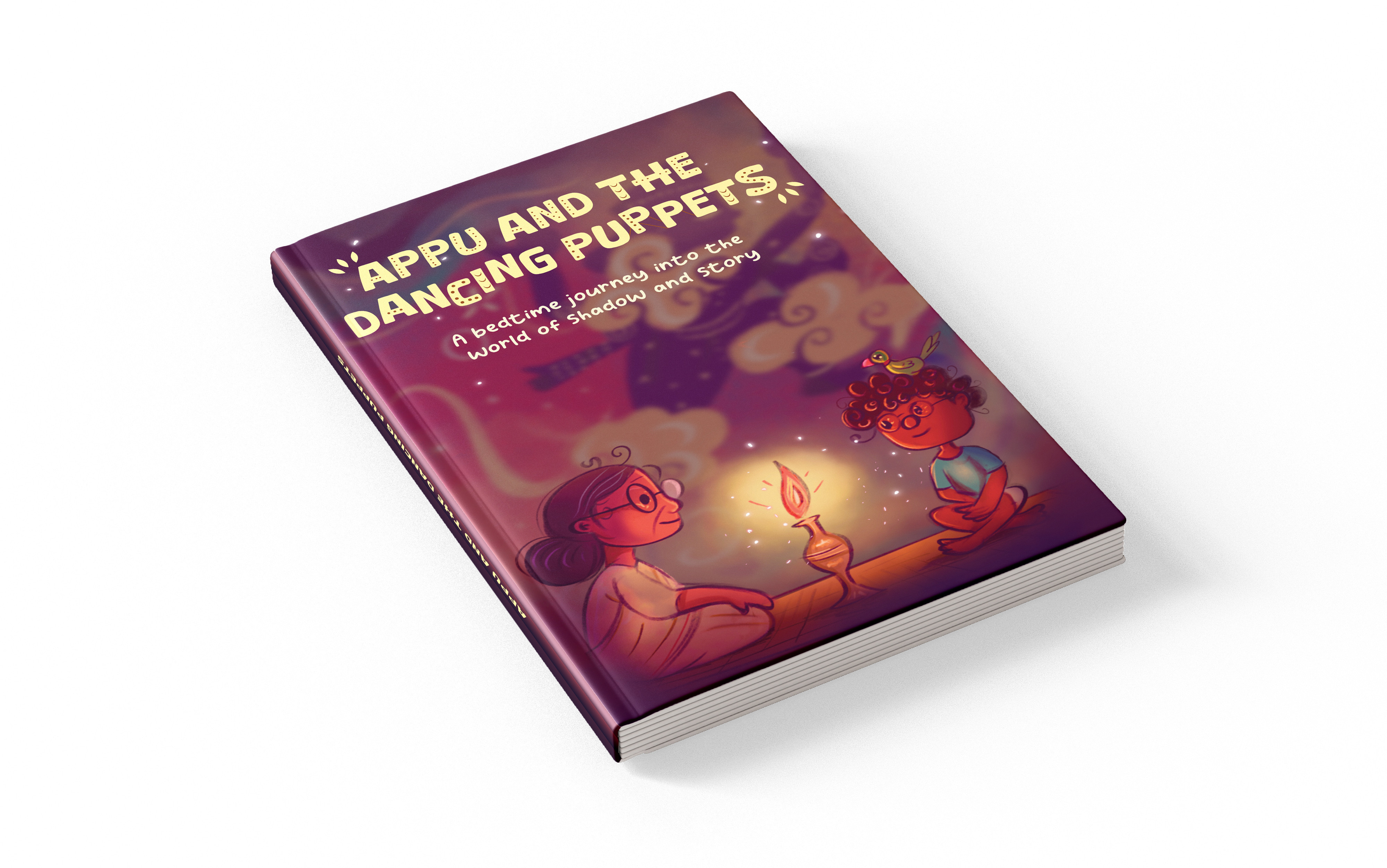
The project titled Cultural Integration through Tholpavakoothu: Exploring Heritage Learning in Early Age Children's Books explores the use of children's books as a medium for preserving and communicating the cultural heritage of Tholpavakoothu, Kerala's traditional shadow puppetry art form. The study involved cultural research, field visits, and interactions with practitioners and artisans to understand its storytelling traditions, visual language, and educational value. The final outcome is an interactive shadow pop-up book that introduces children to local heritage through storytelling, interaction, and play.
Tholpavakoothu, Kerala's traditional shadow puppetry art form, represents an important part of the state's cultural heritage. However, changing entertainment habits and limited exposure among younger generations have reduced opportunities for children to engage with this tradition. This project explored how design can support cultural preservation by introducing Tholpavakoothu through an interactive learning medium for early-age children.
The research involved cultural studies, field visits, and interactions with practitioners and artisans to understand the art form's history, storytelling traditions, visual language, performance techniques, and educational value. The findings highlighted opportunities to connect cultural heritage with children's learning through storytelling, interaction, and play.
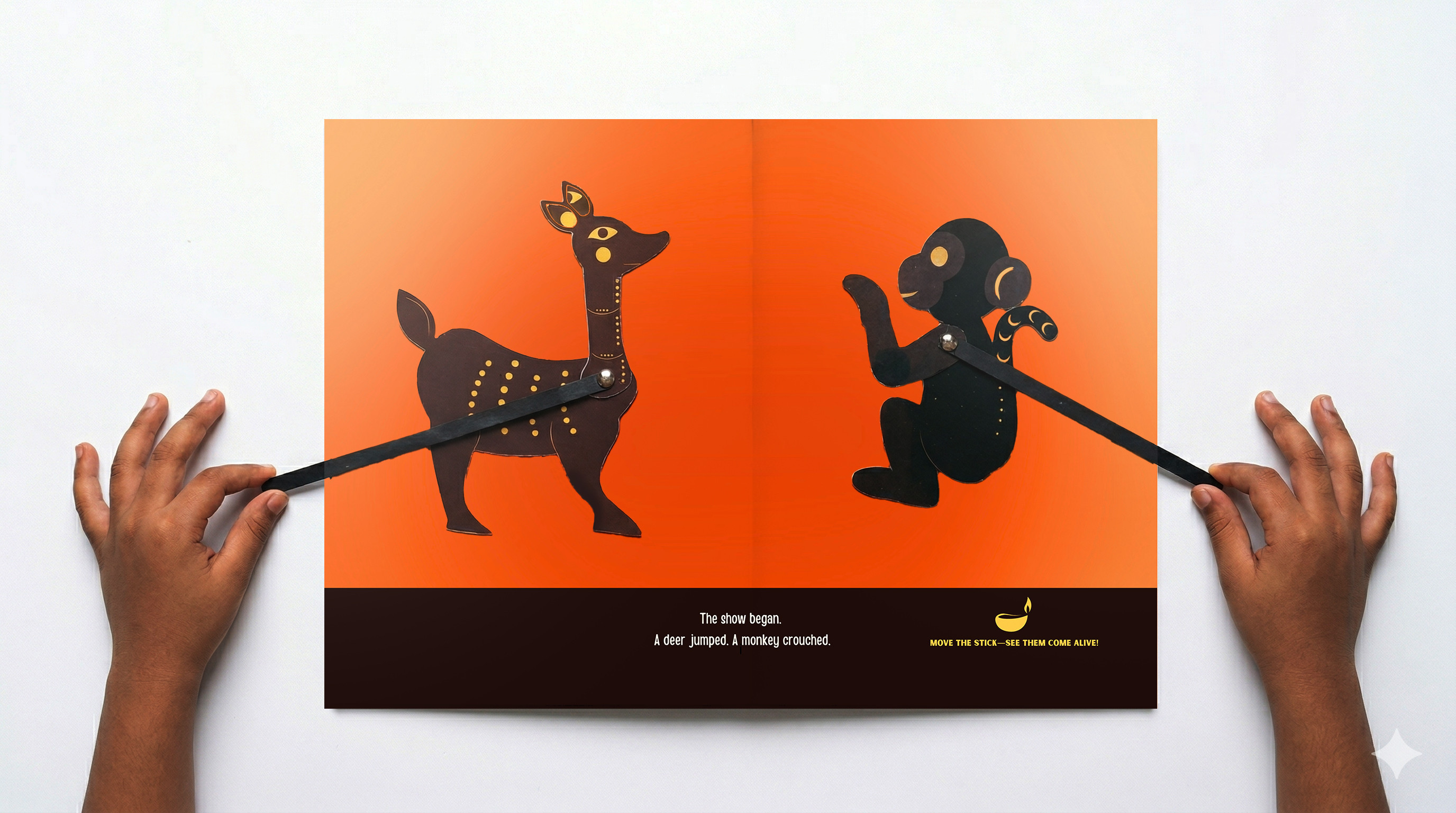
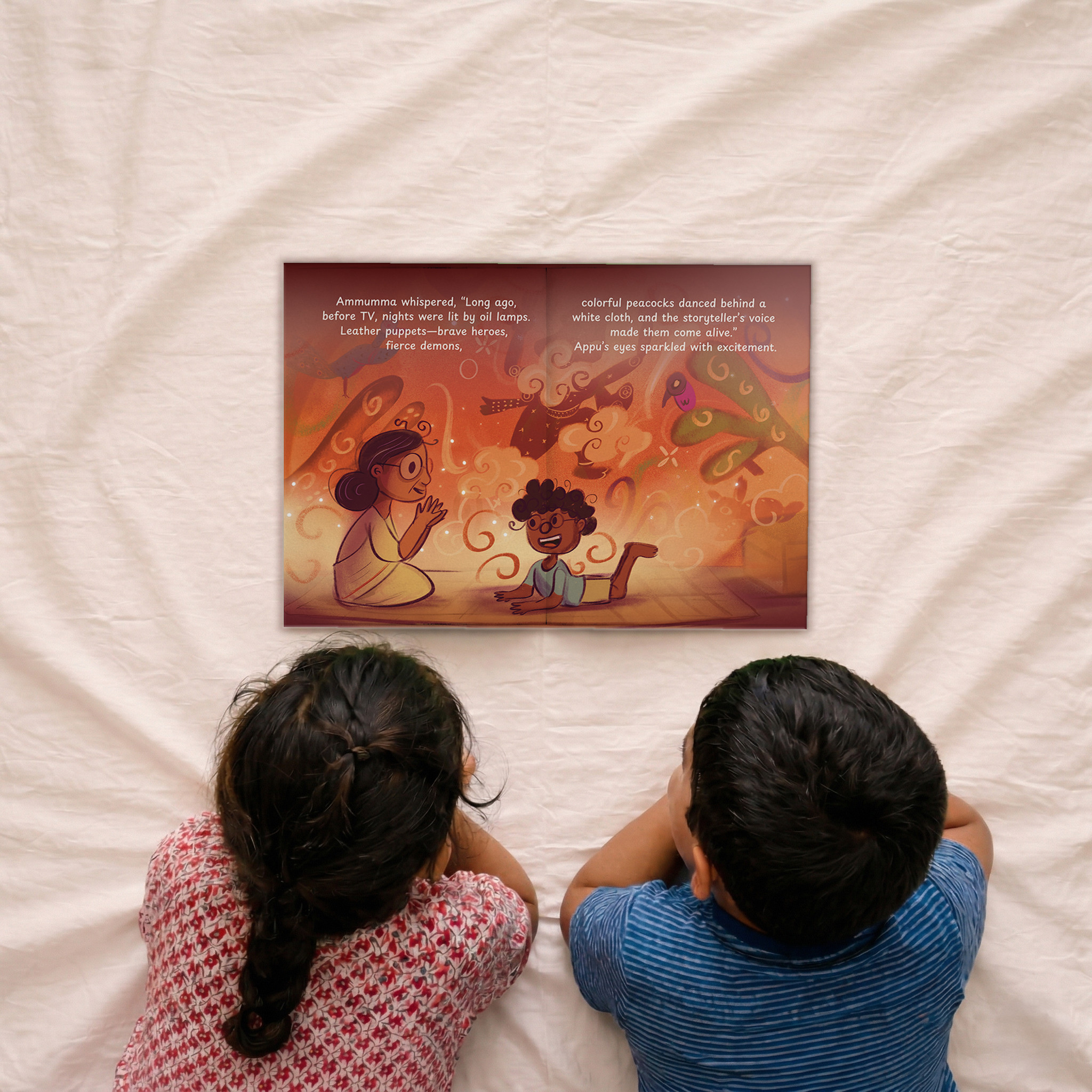
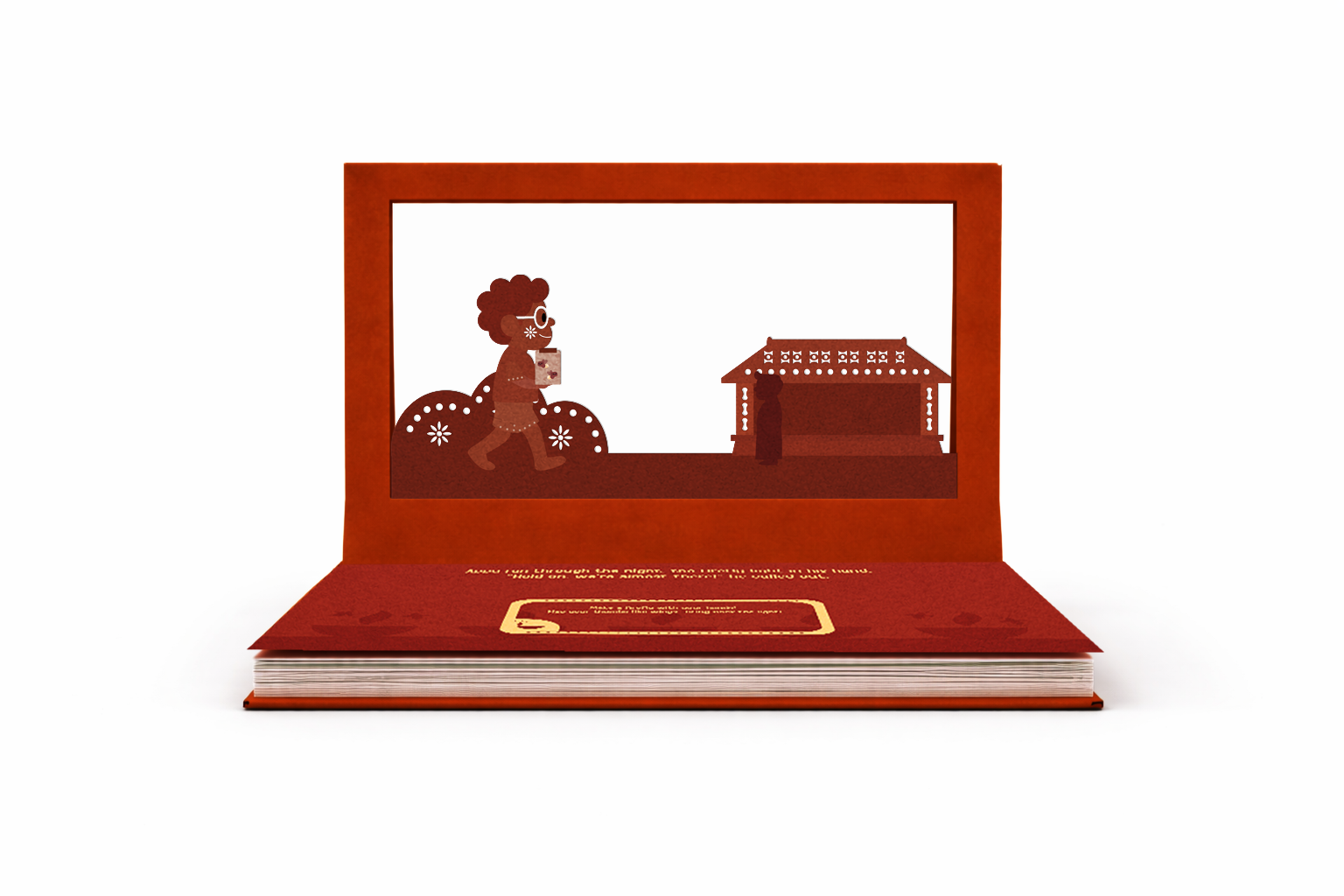
Based on these insights, the project developed an interactive shadow pop-up book inspired by the core mechanics of Tholpavakoothu. The book uses layered paper structures, puppet-inspired illustrations, and light-responsive elements that enable readers to create shadow projections as the story progresses. By placing a light source behind selected pages, children can interact with characters and scenes while experiencing the relationship between light, shadow, and storytelling found in traditional performances.
The project also developed the Culture X Framework, a design framework that can be adapted to other cultural traditions to create interactive heritage-learning tools. Together, the framework and book demonstrate design's role in cultural preservation.
NIFT Assistant
Online — Ready to help
AI