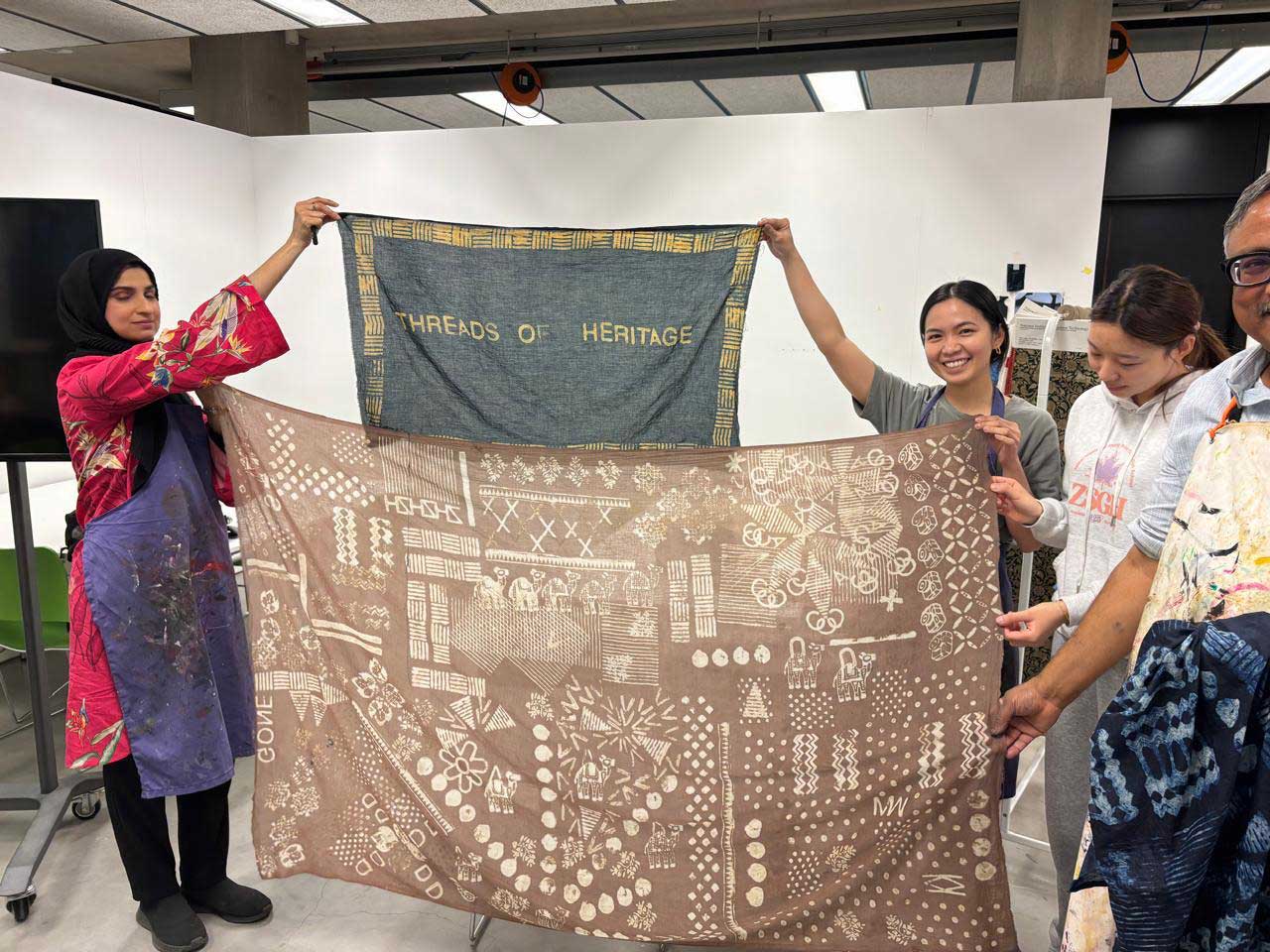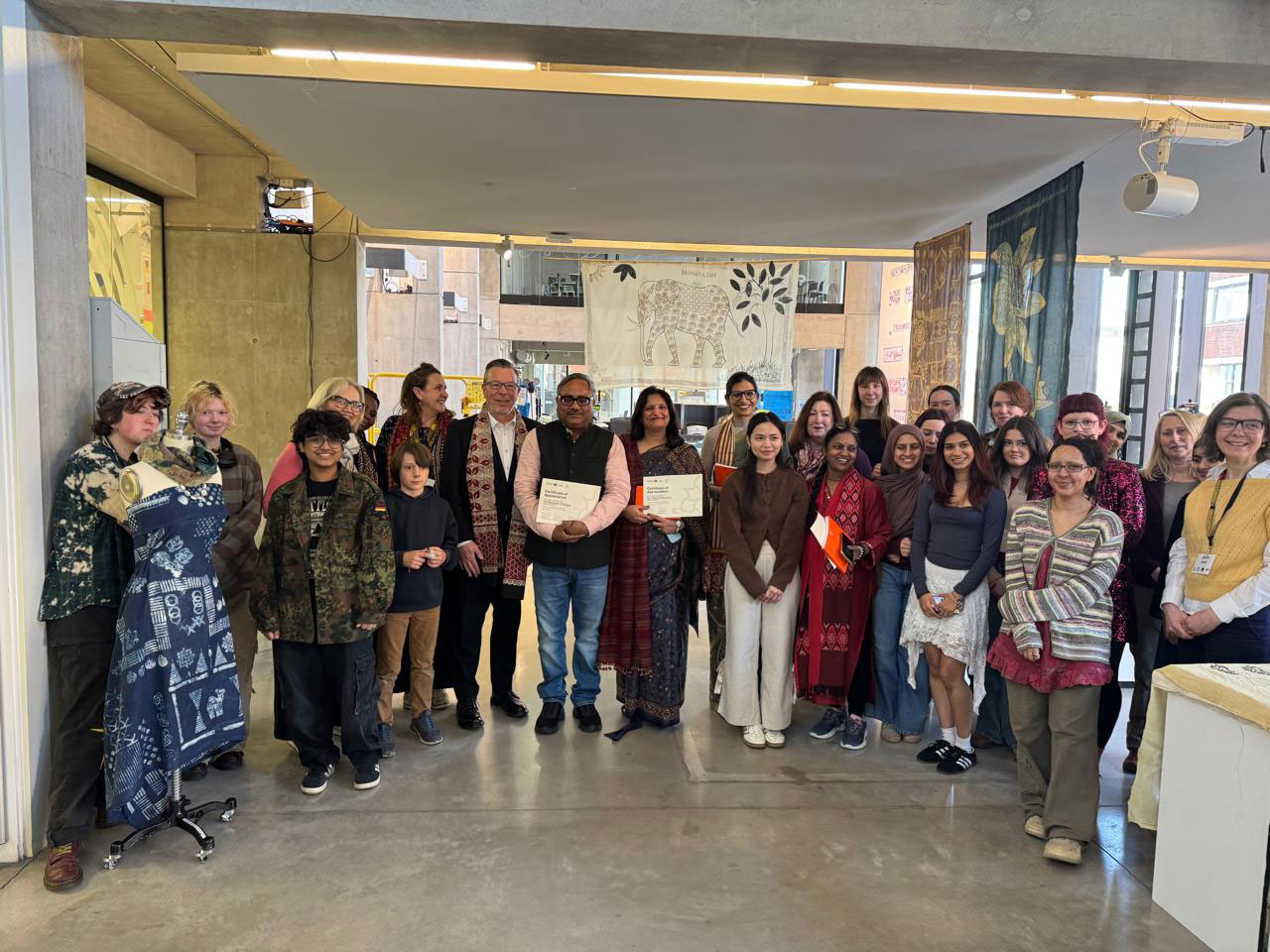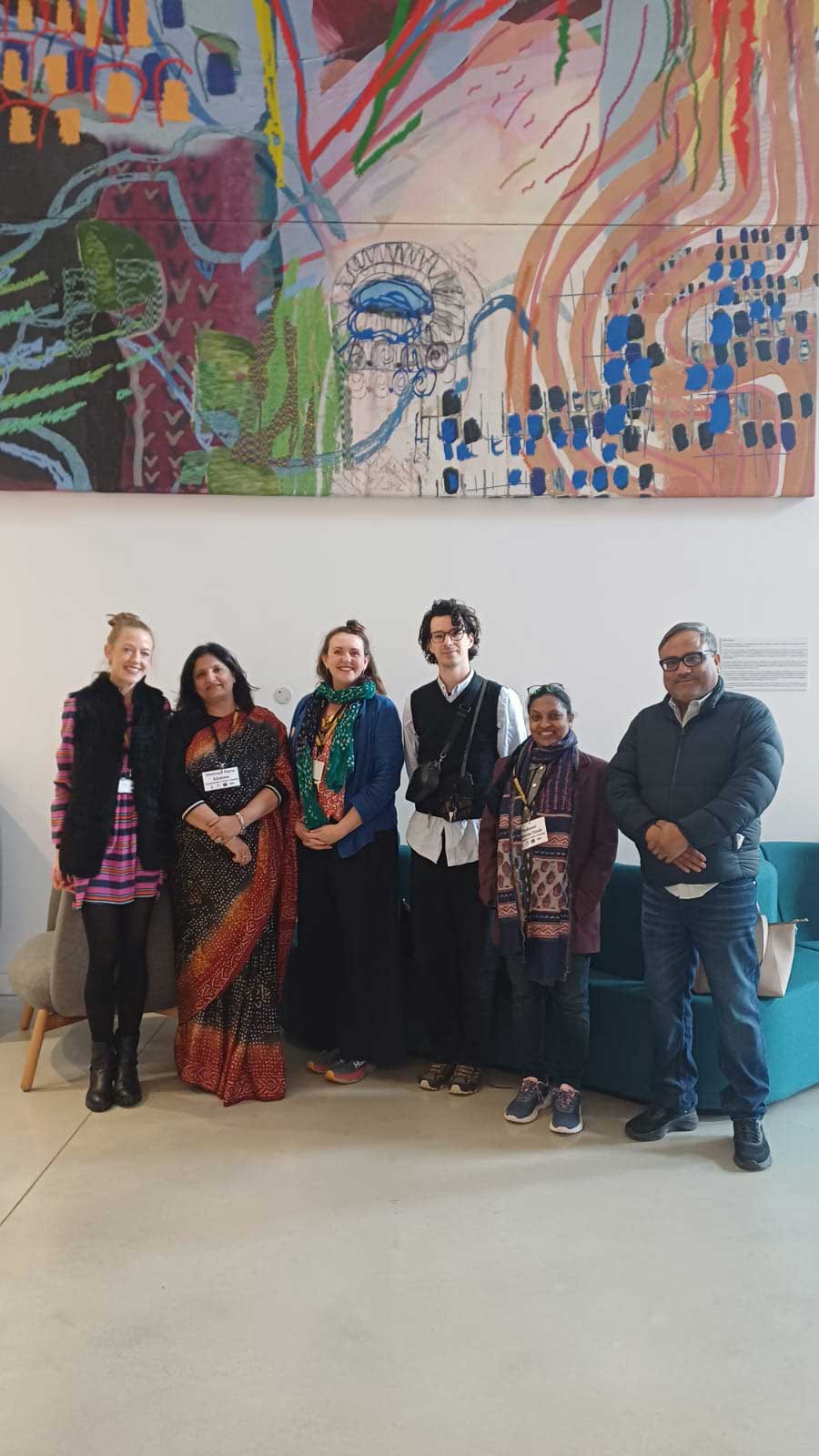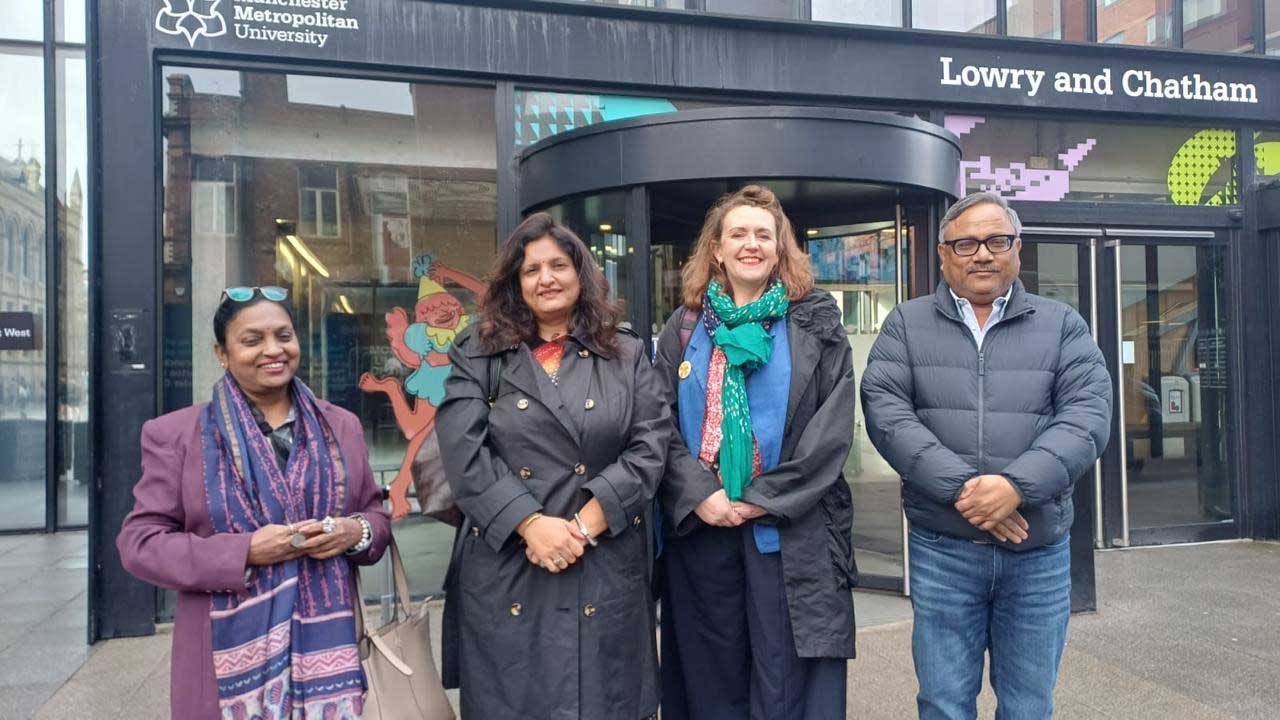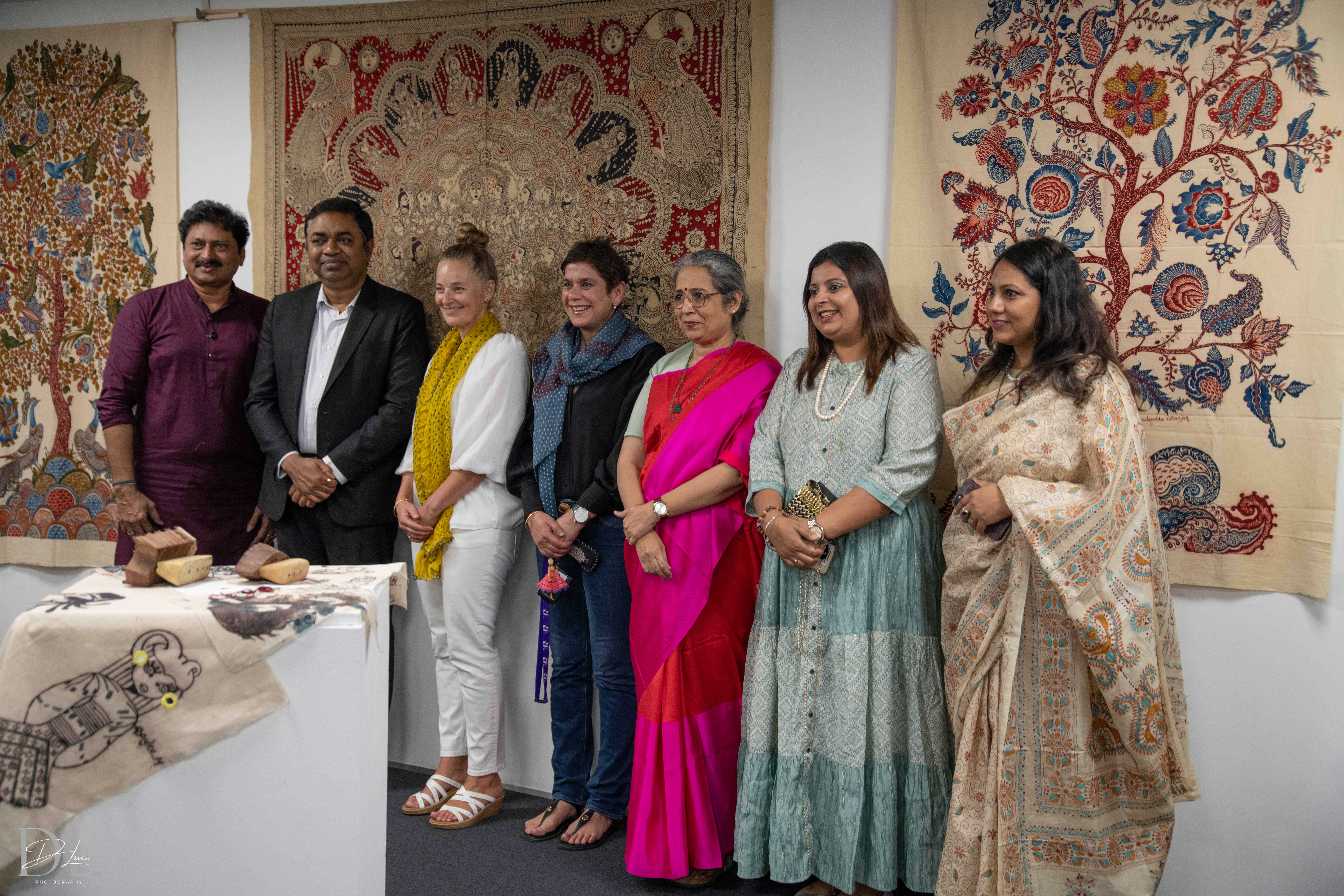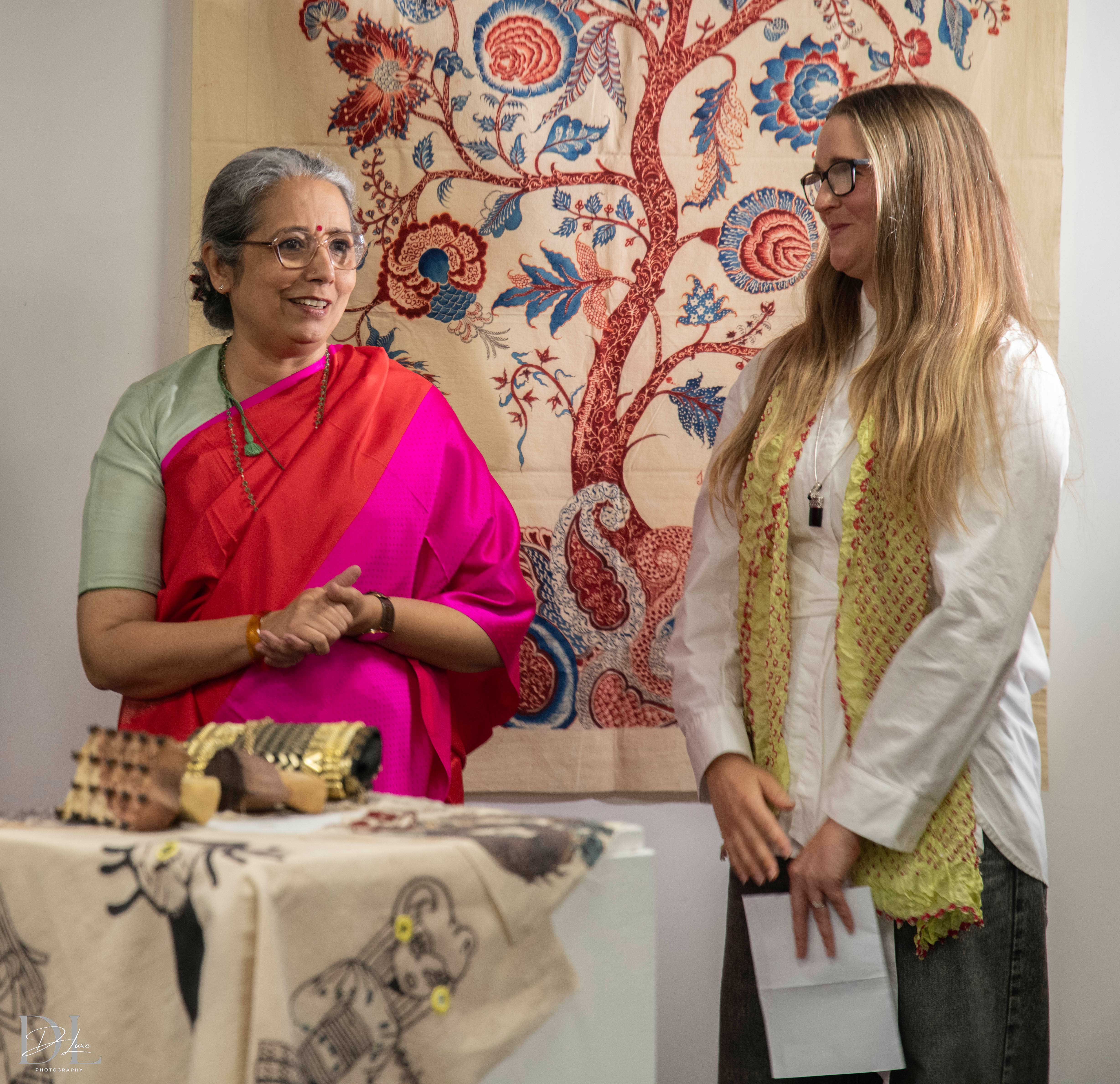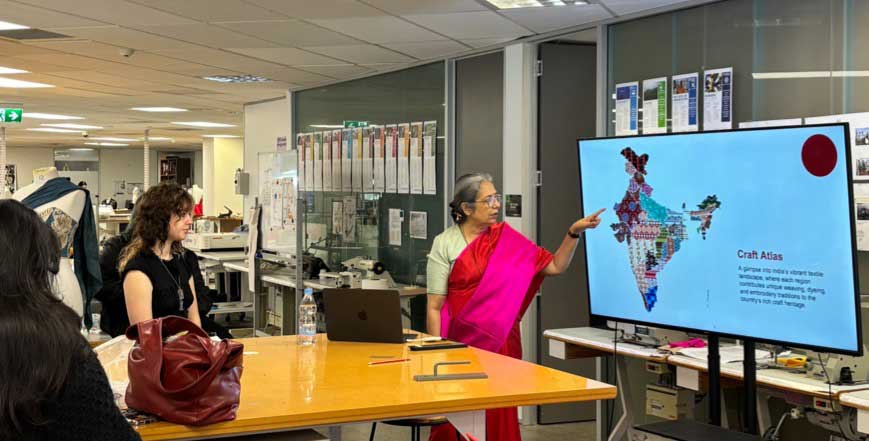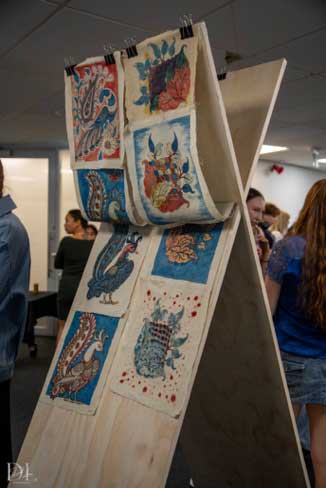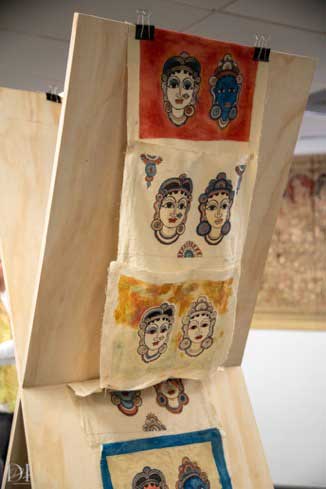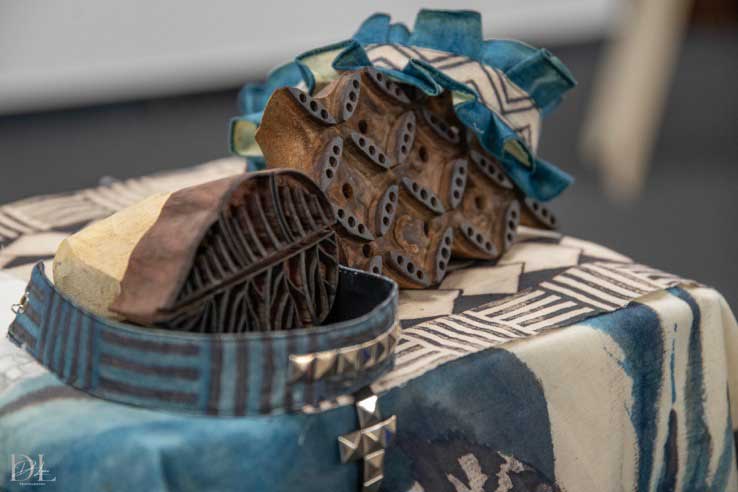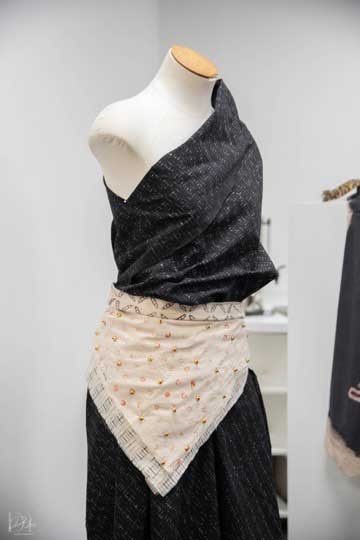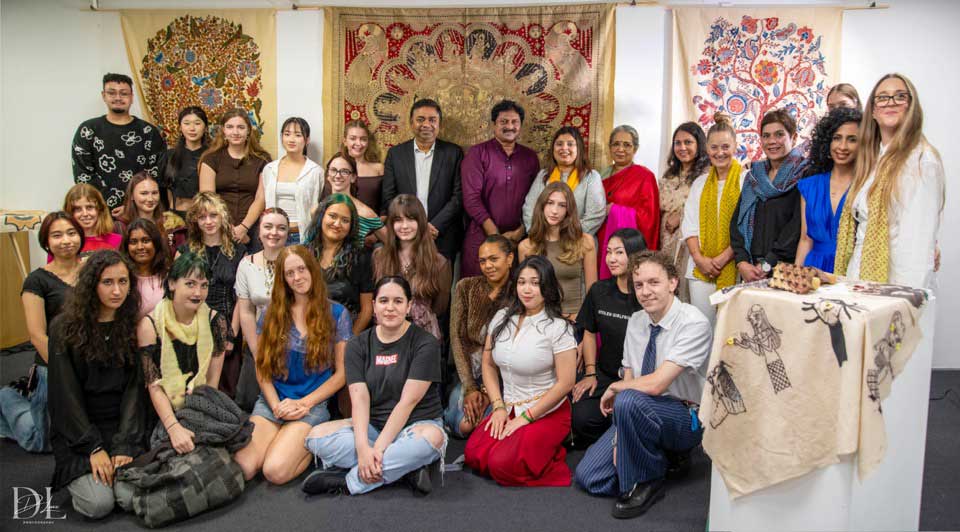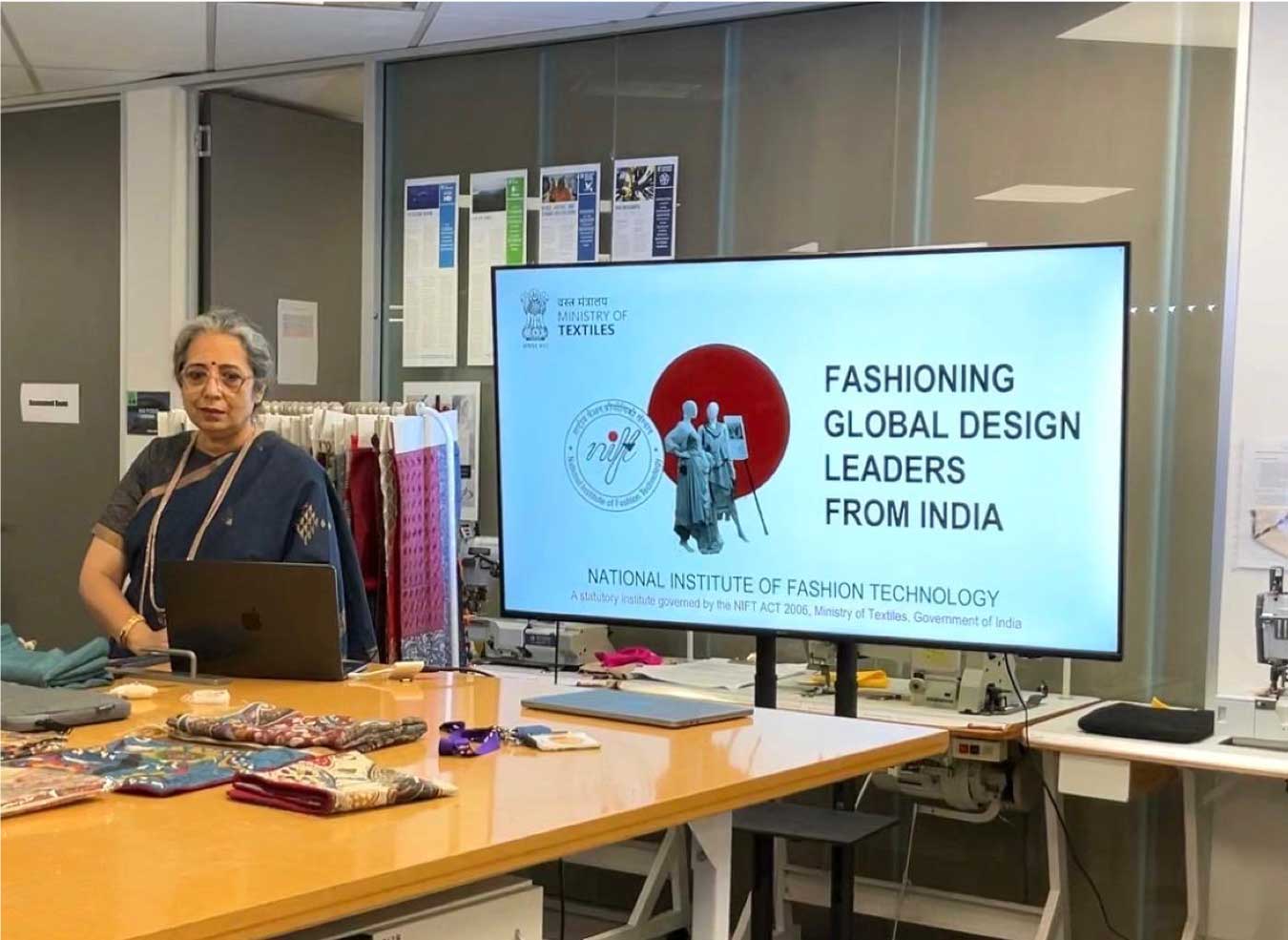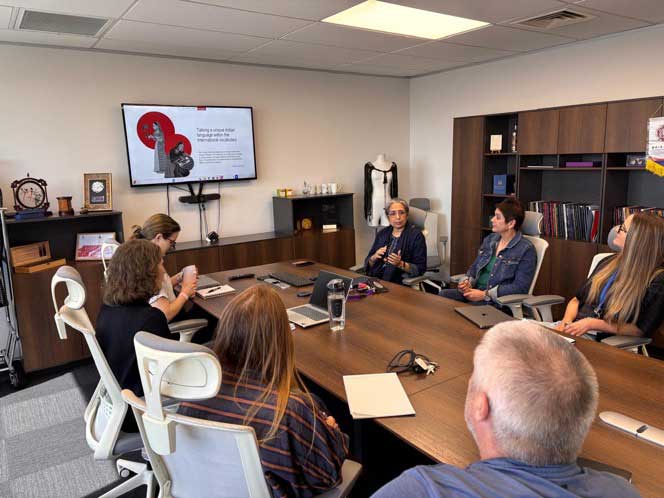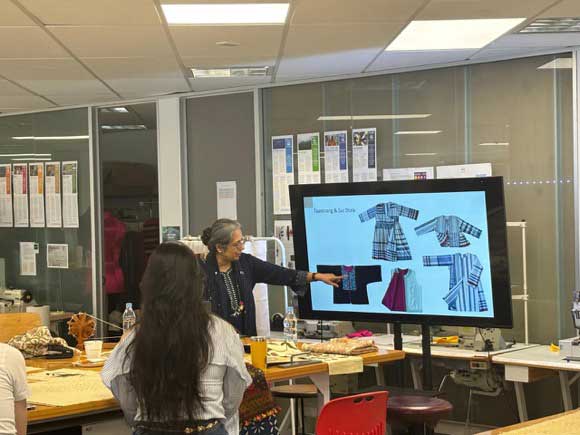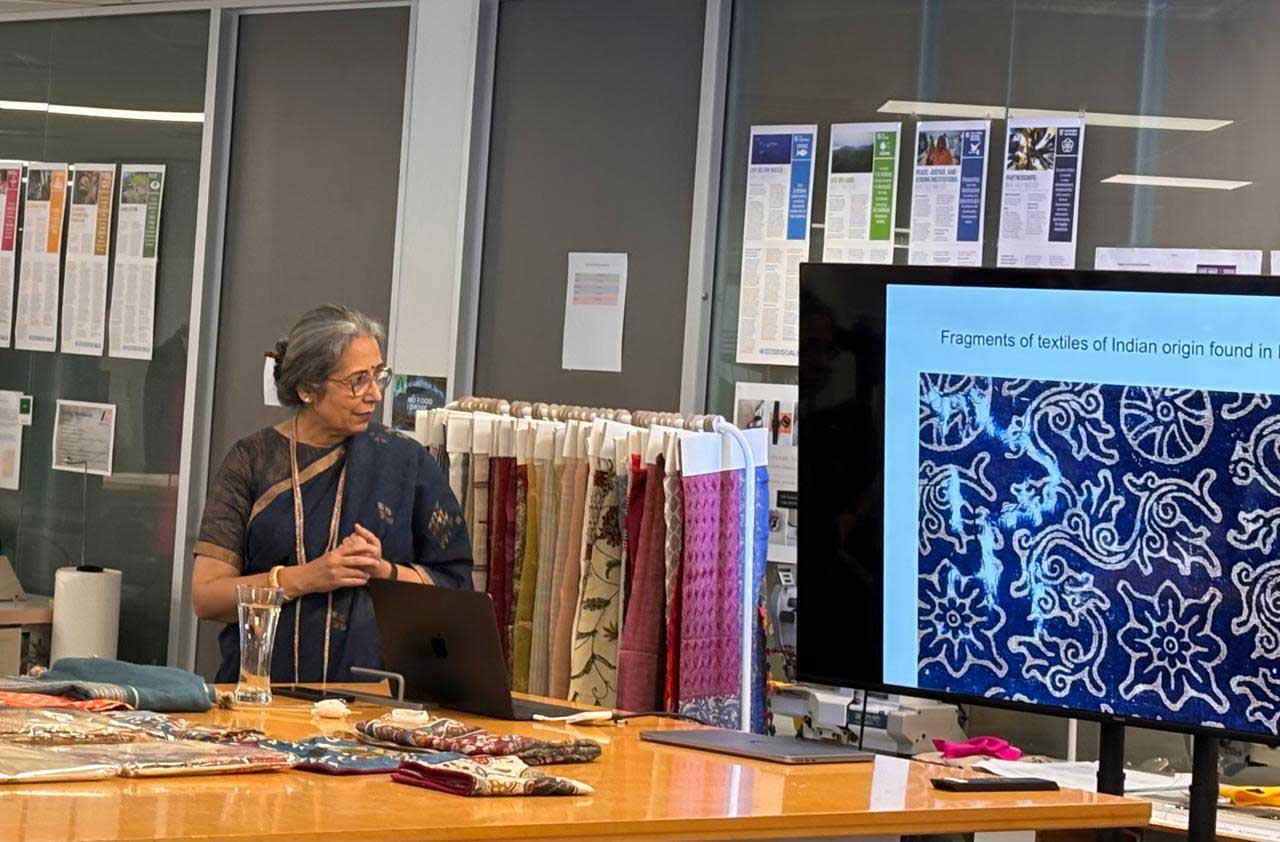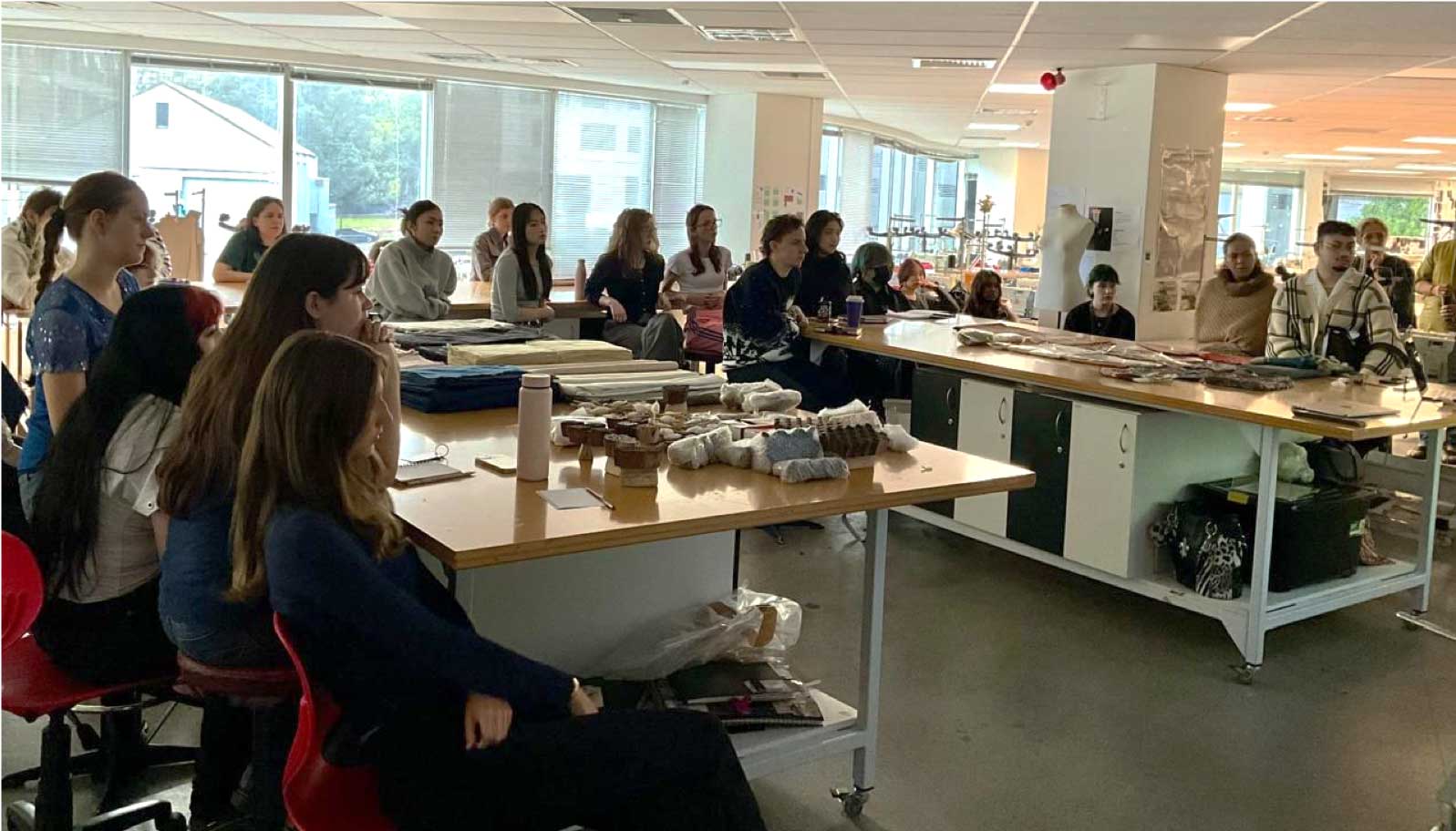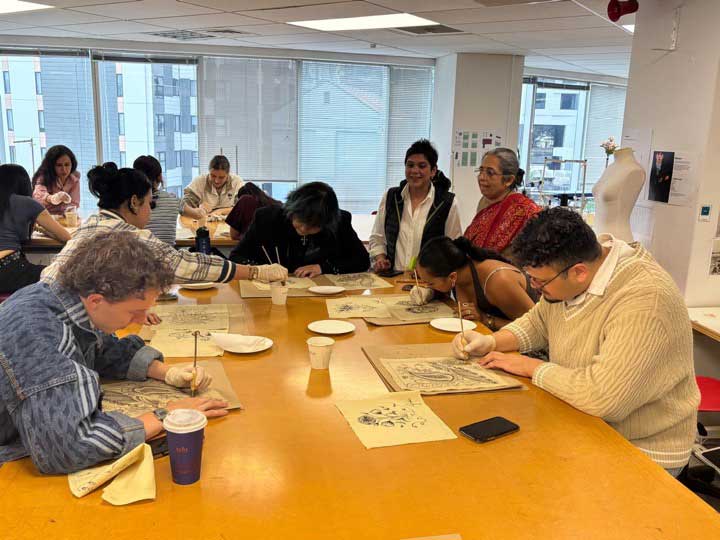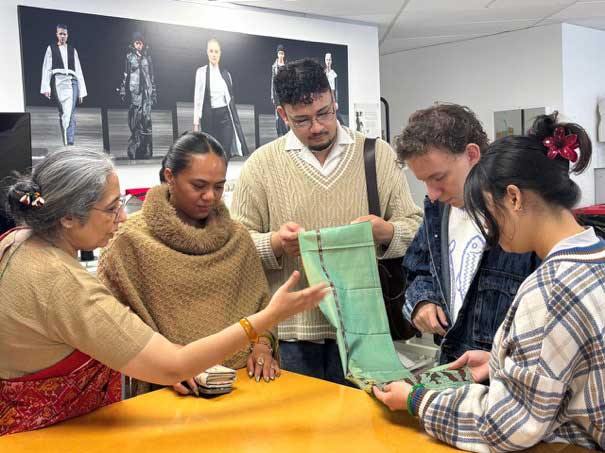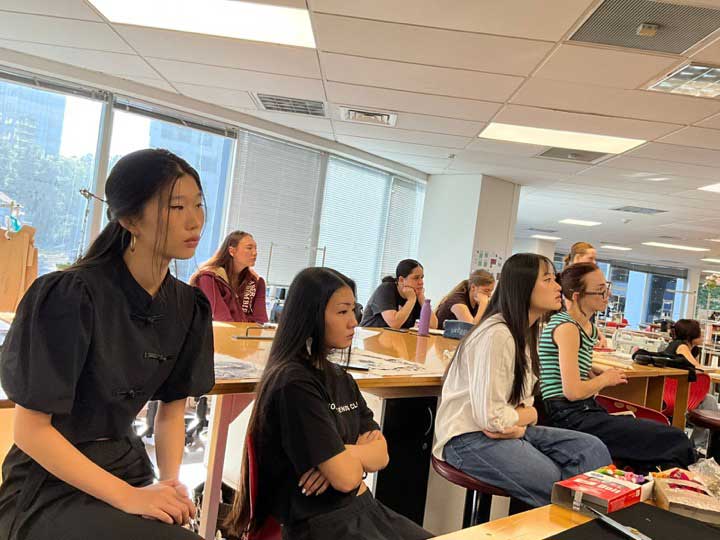

India’s rich textile heritage is being brought to global design classrooms through an innovative international academic initiative led by the National Institute of Fashion Technology (NIFT). Conceived as an immersive learning experience for international design students, the five-day module titled “Threads of Heritage- Indian Textile Week’ was conducted at Whitecliffe College of Arts and Design, Auckland, New Zealand and Manchester Metropolitan University, United Kingdom in the month of March 2026. The module has received strong academic and institutional appreciation.
Envisaged under the aegis of the Ministry of Textiles, which is supporting the initiative, the programme is curated, structured, and implemented by NIFT as part of its ongoing efforts to strengthen international academic engagement and promote India’s craft and knowledge systems globally. It introduces participants to the depth, diversity, and contemporary relevance of Indian textiles.
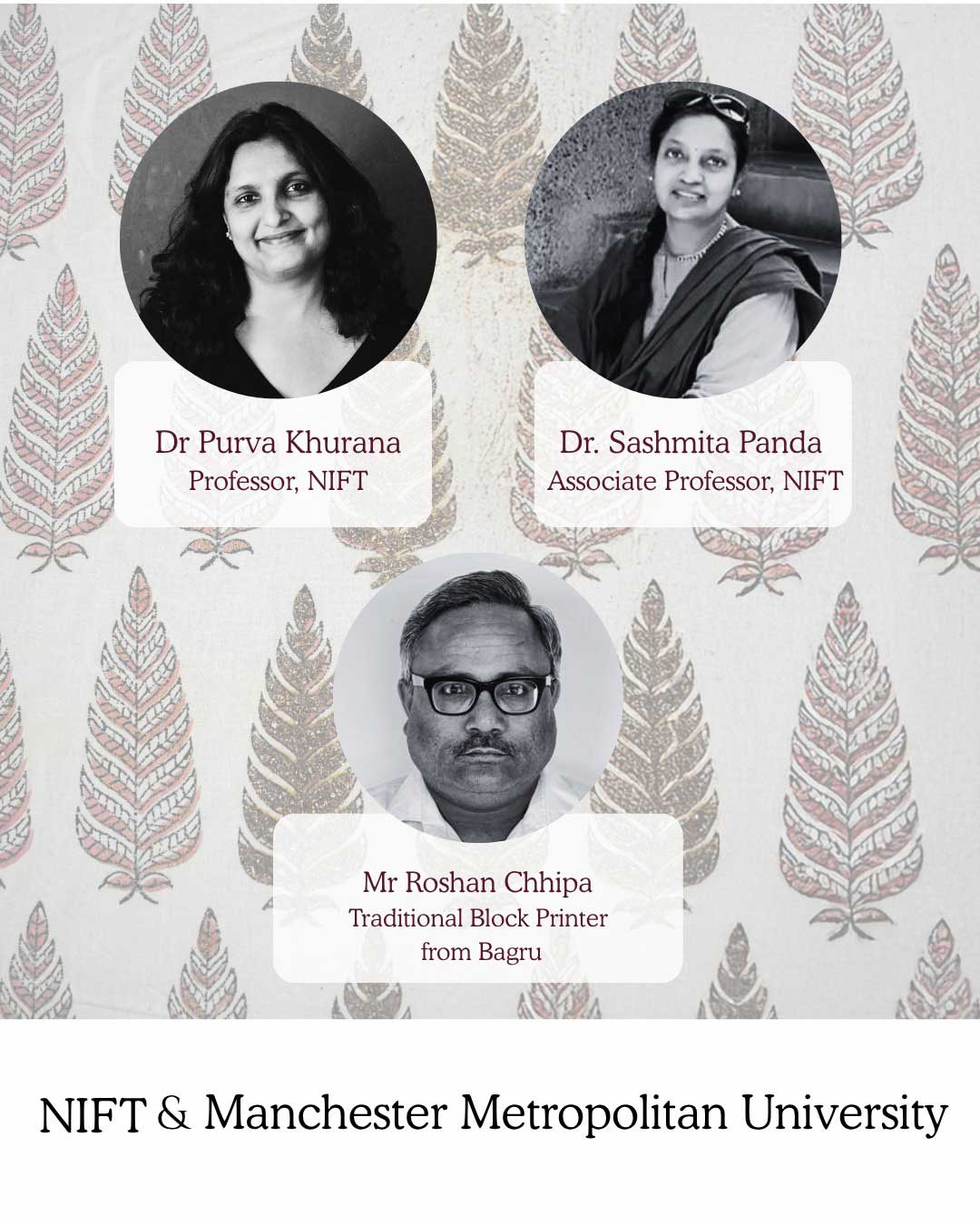
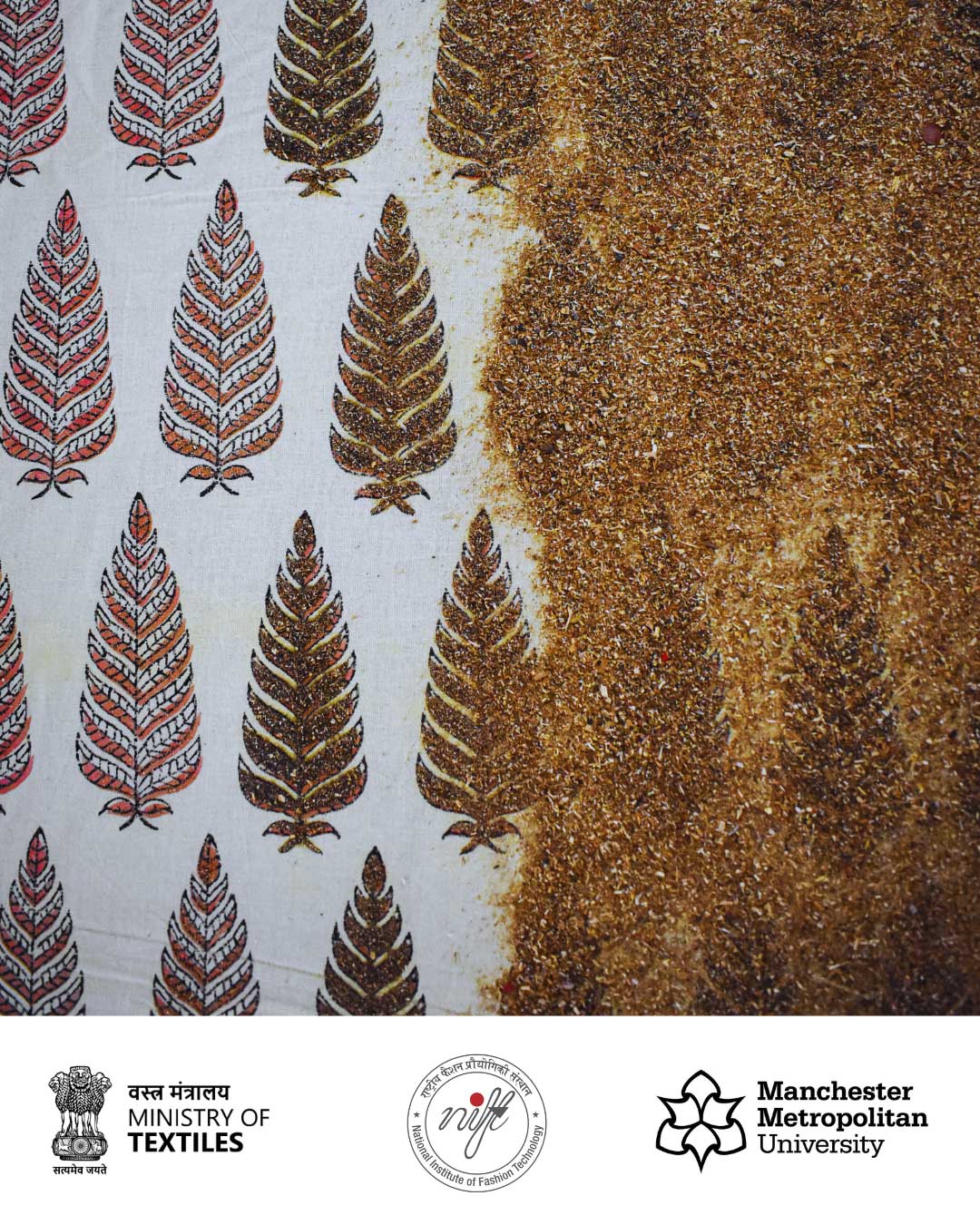
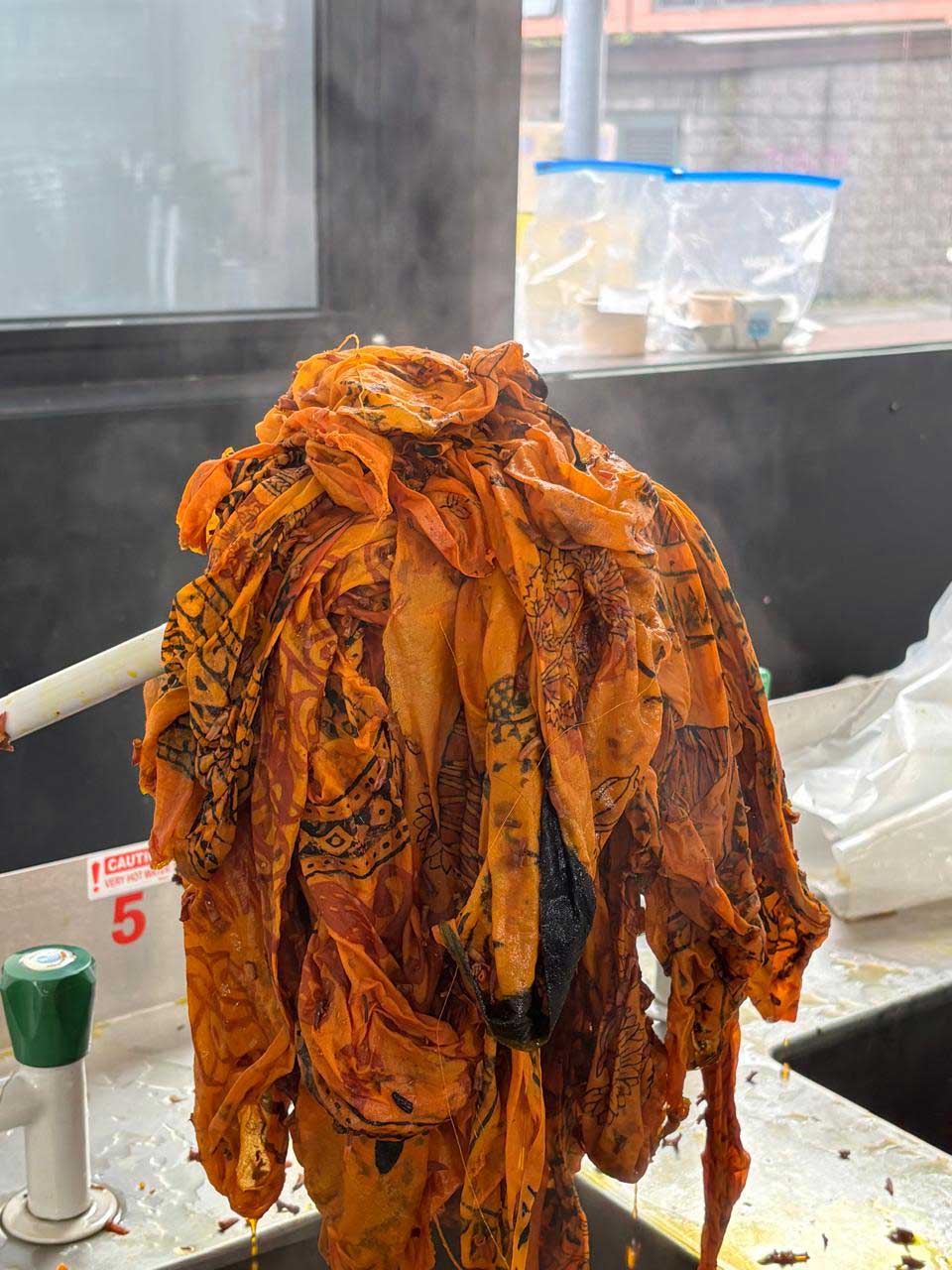
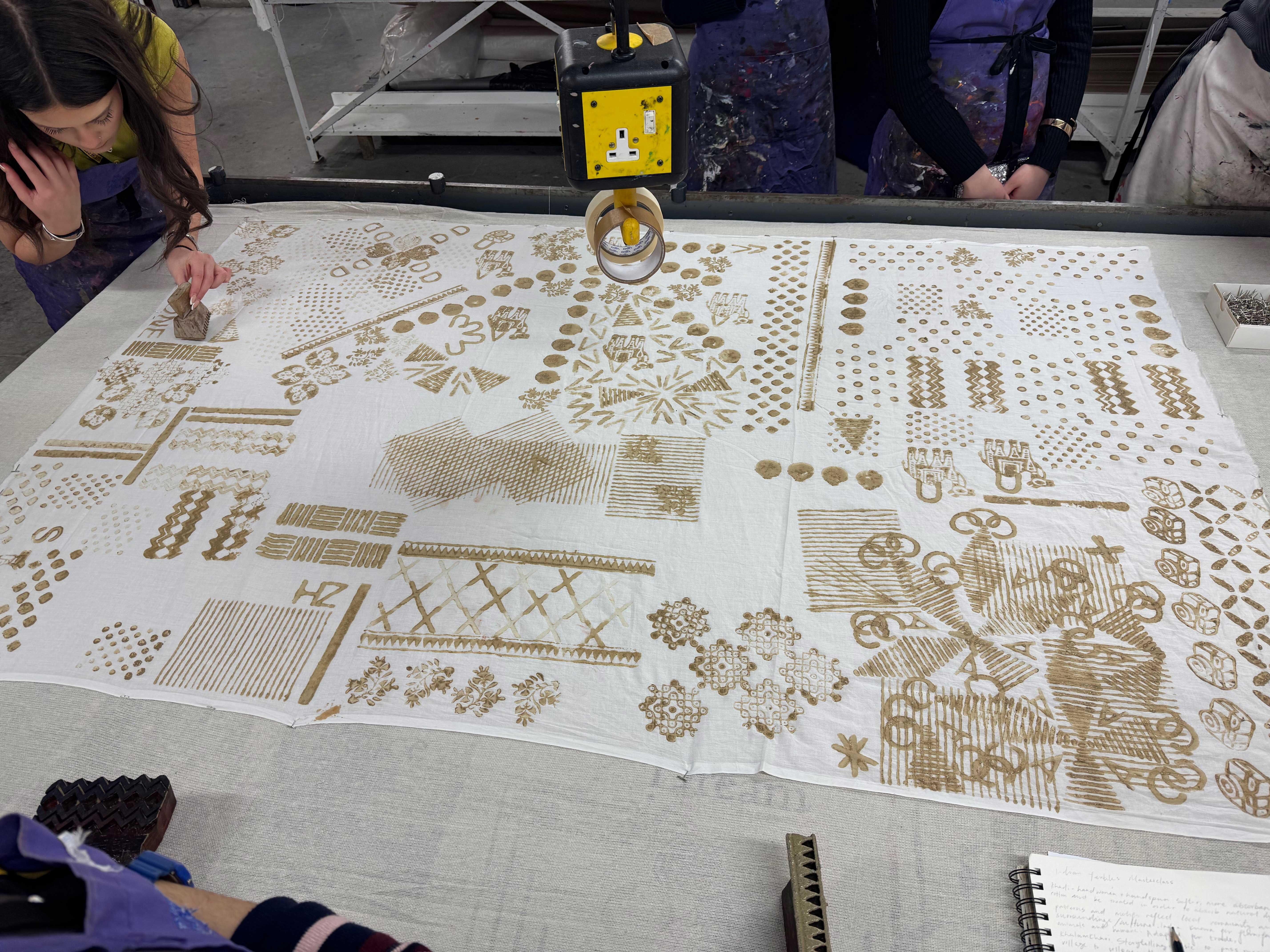
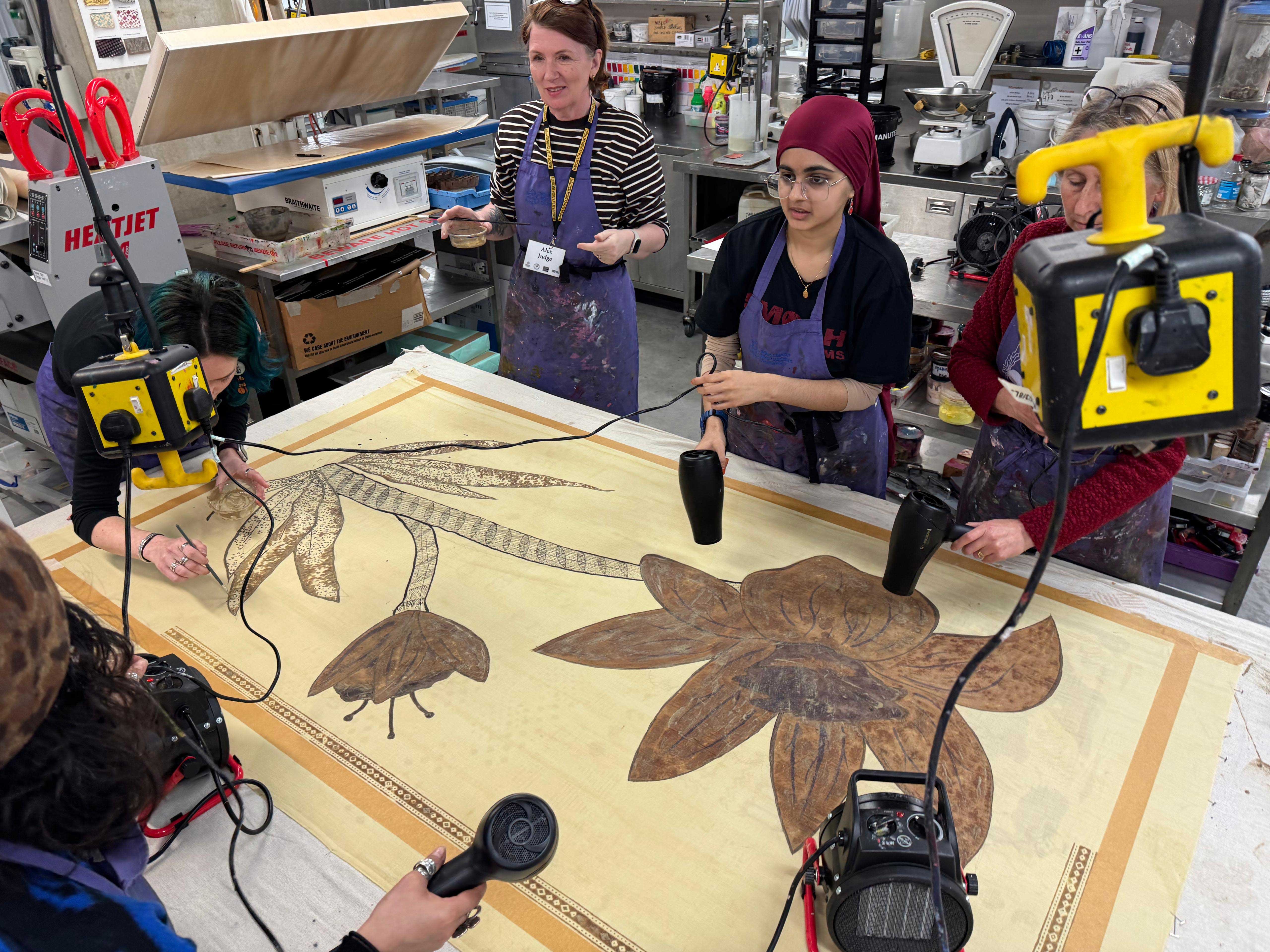
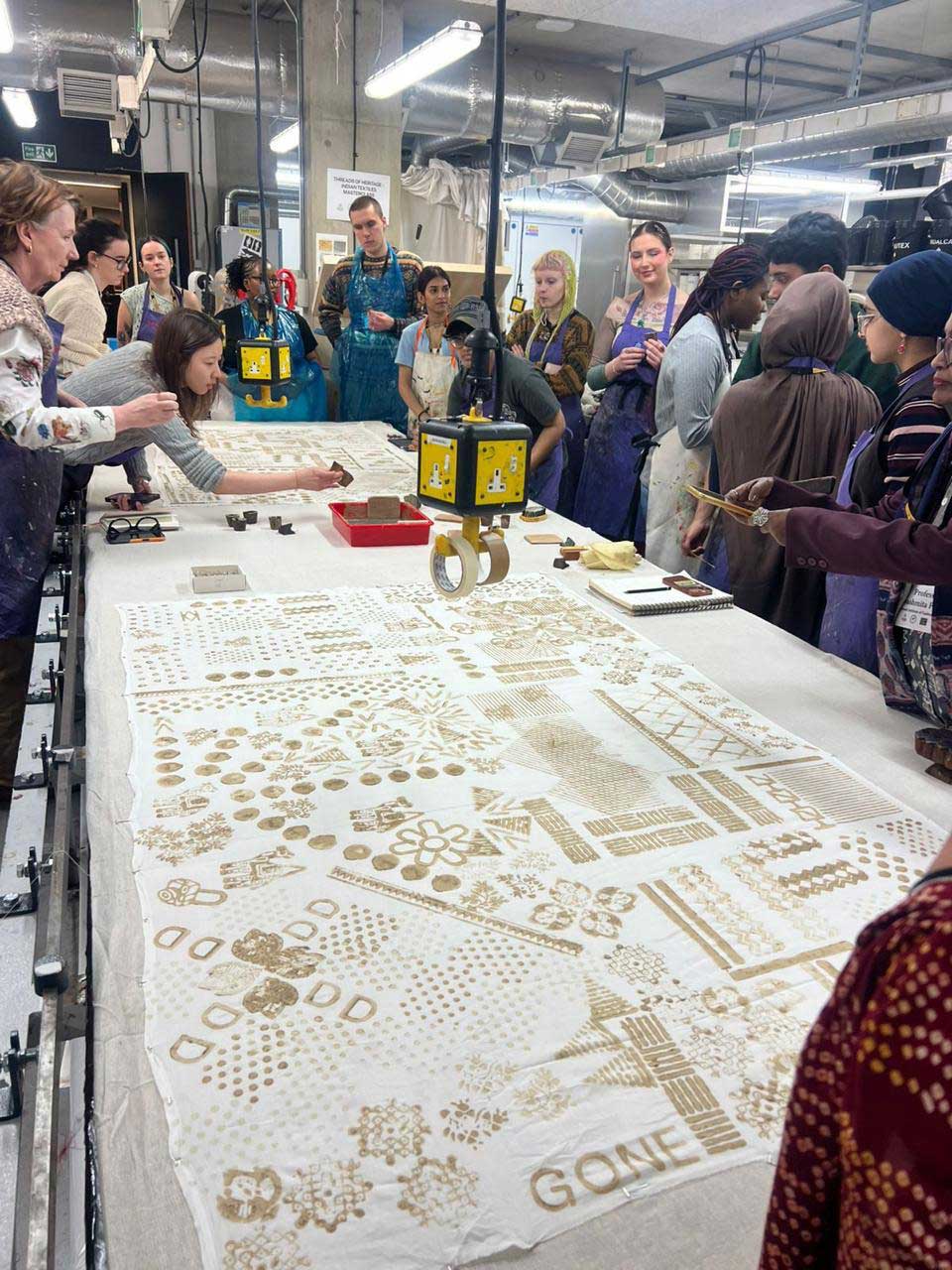
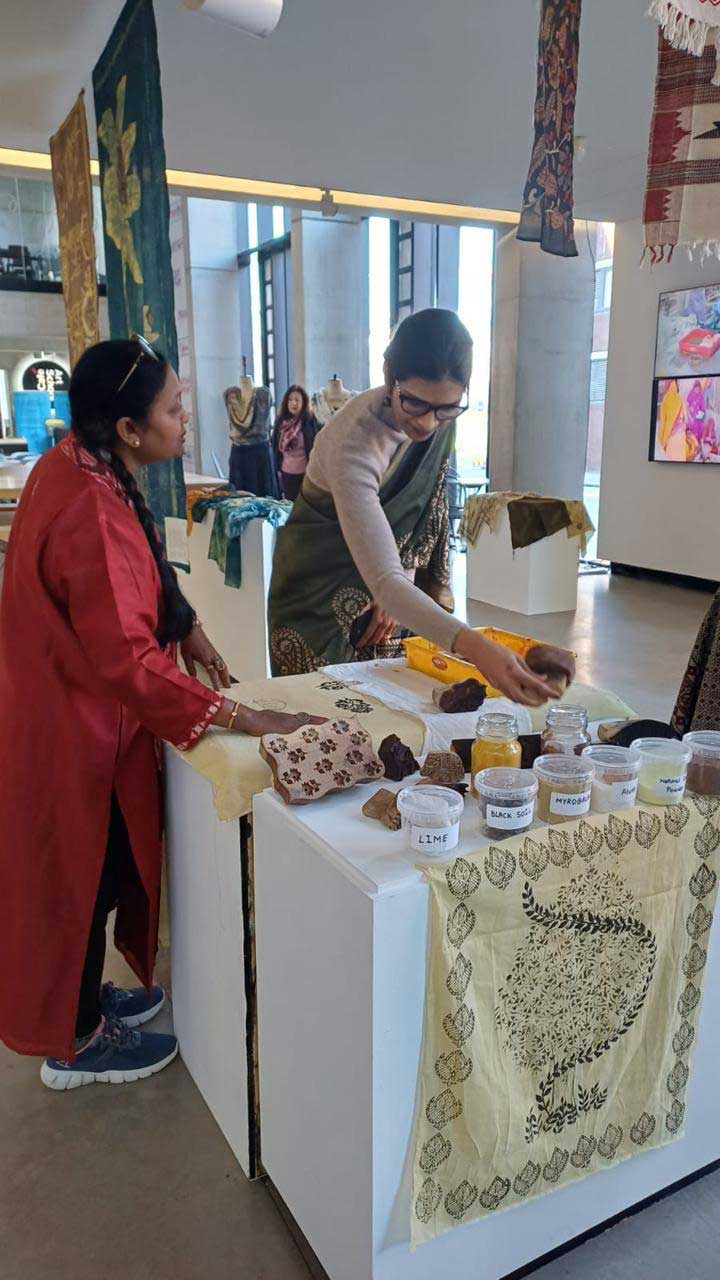
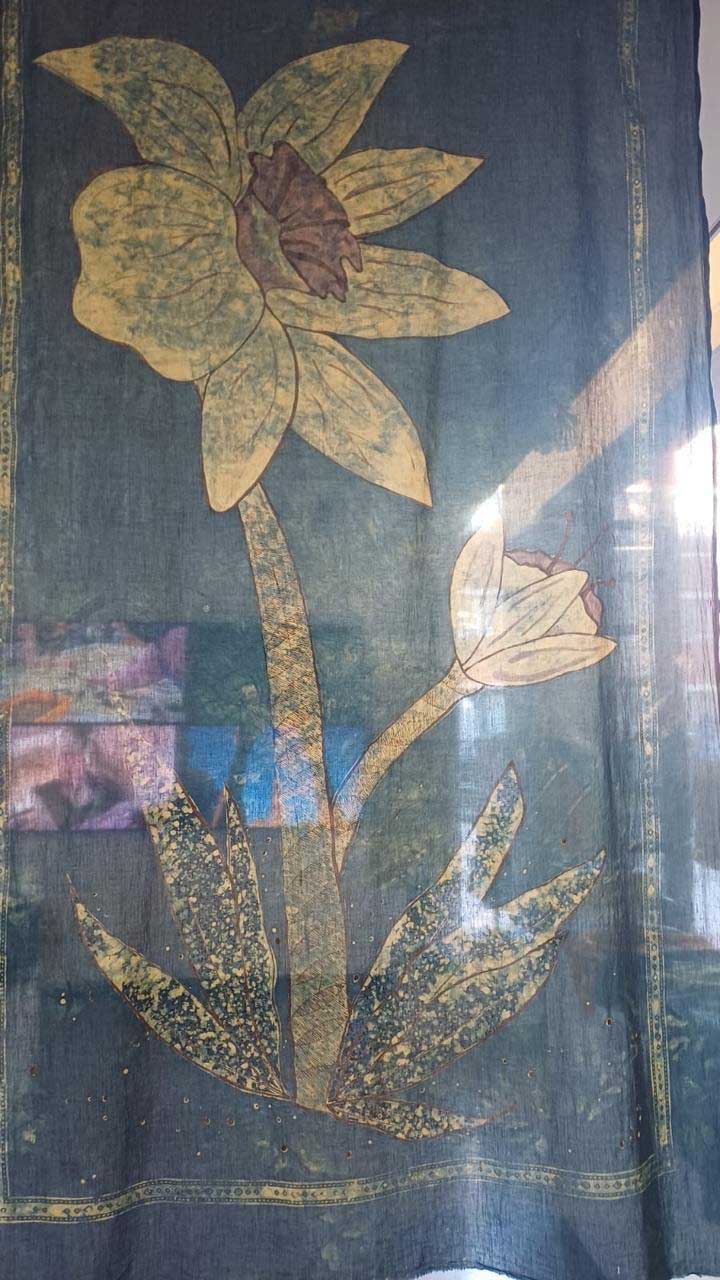
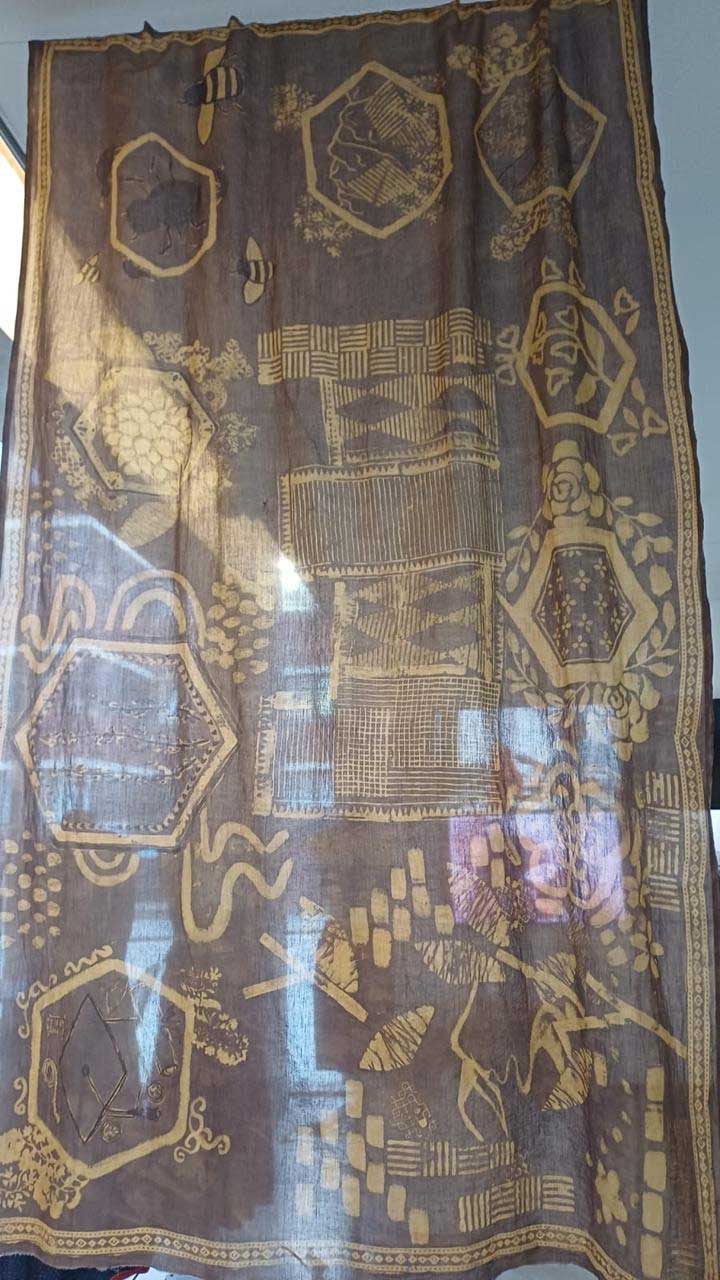
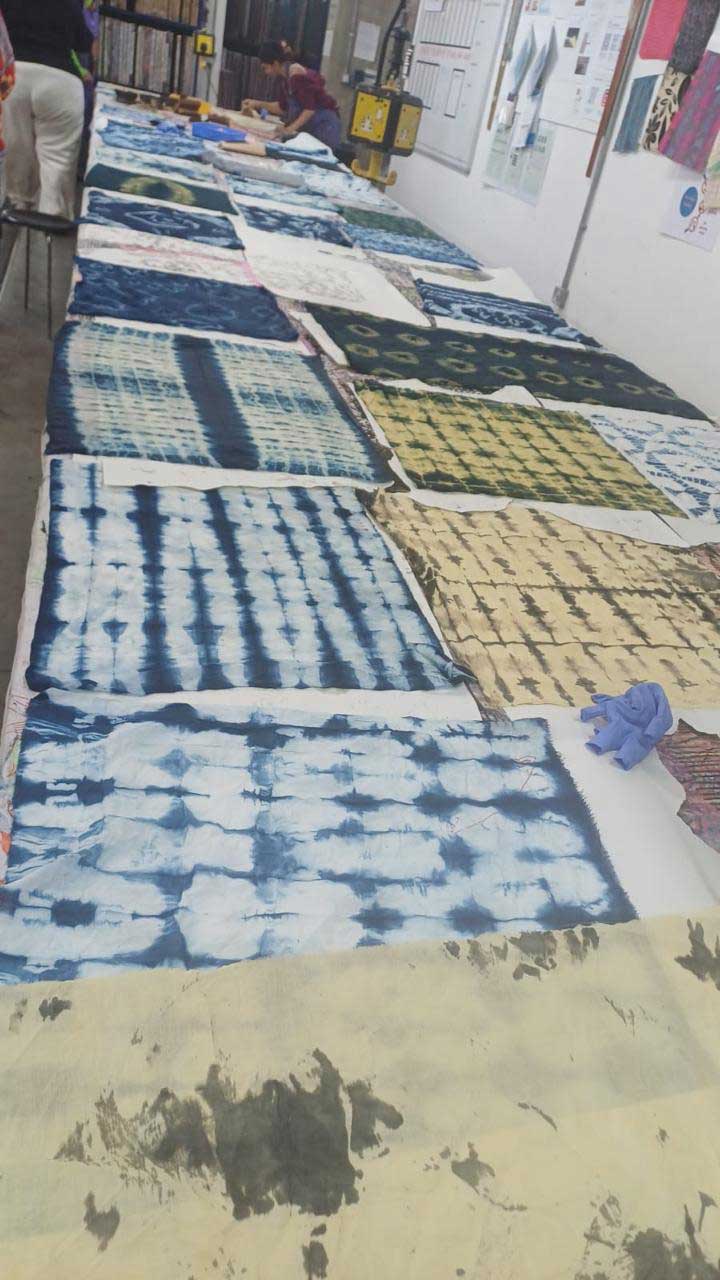
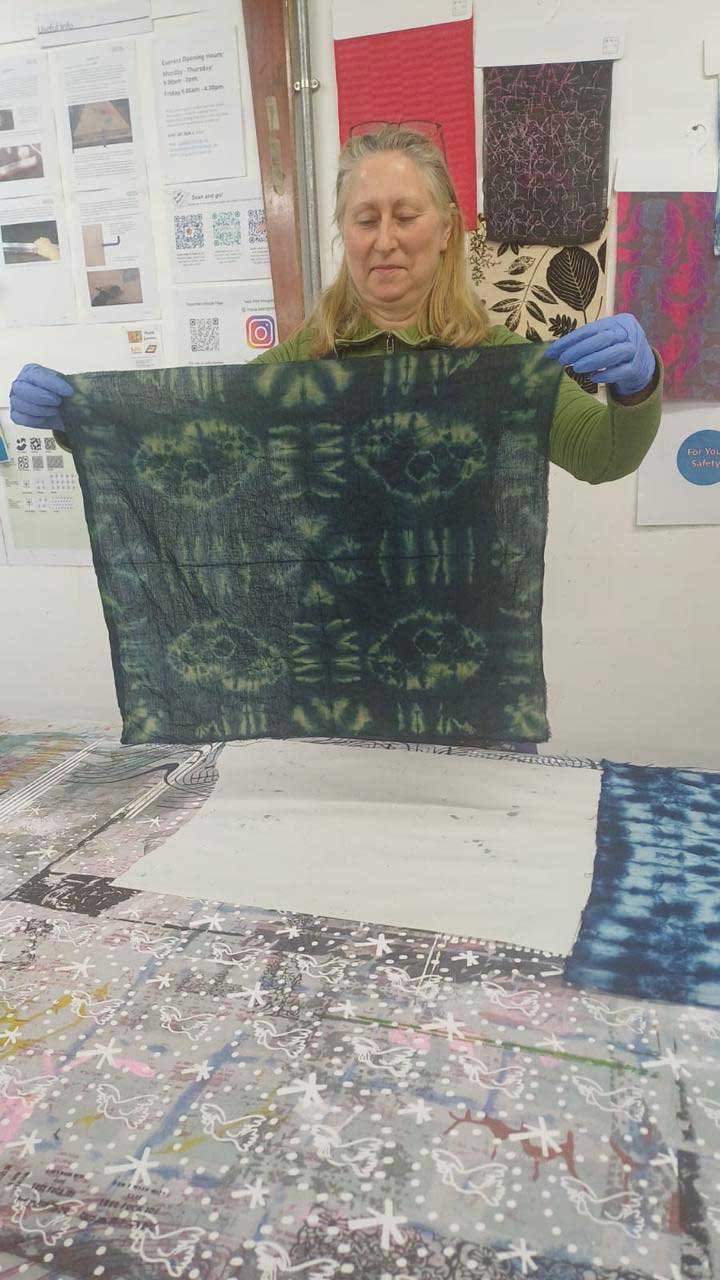
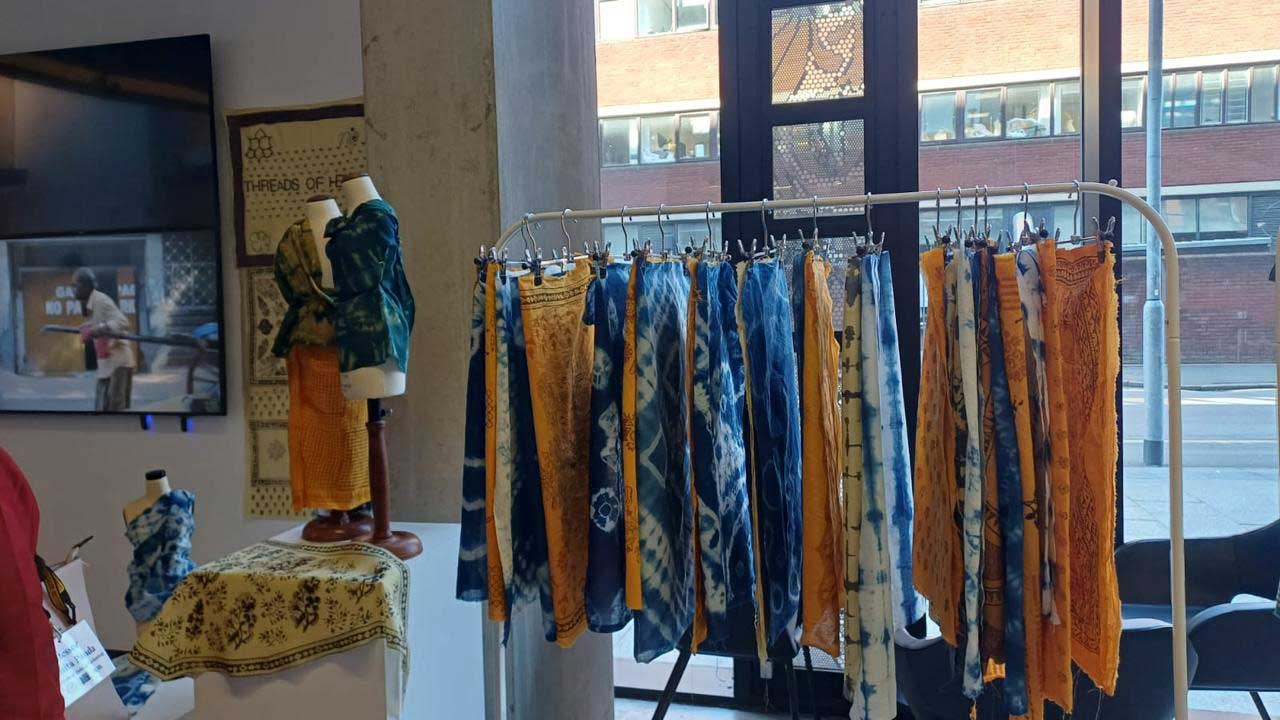
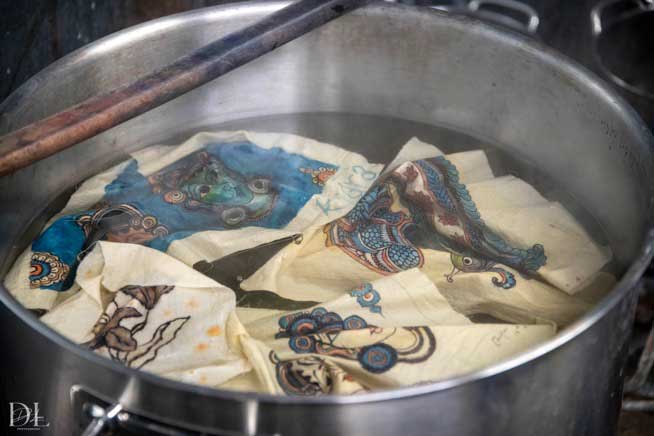
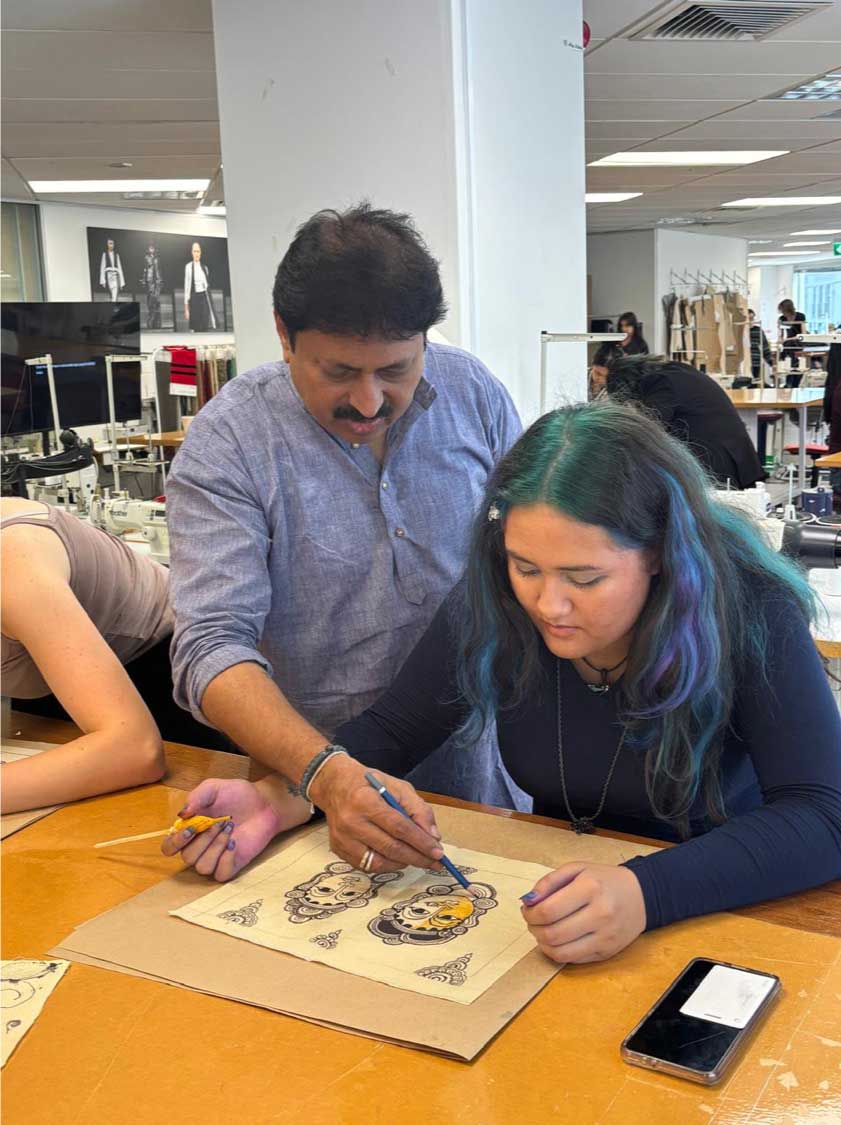
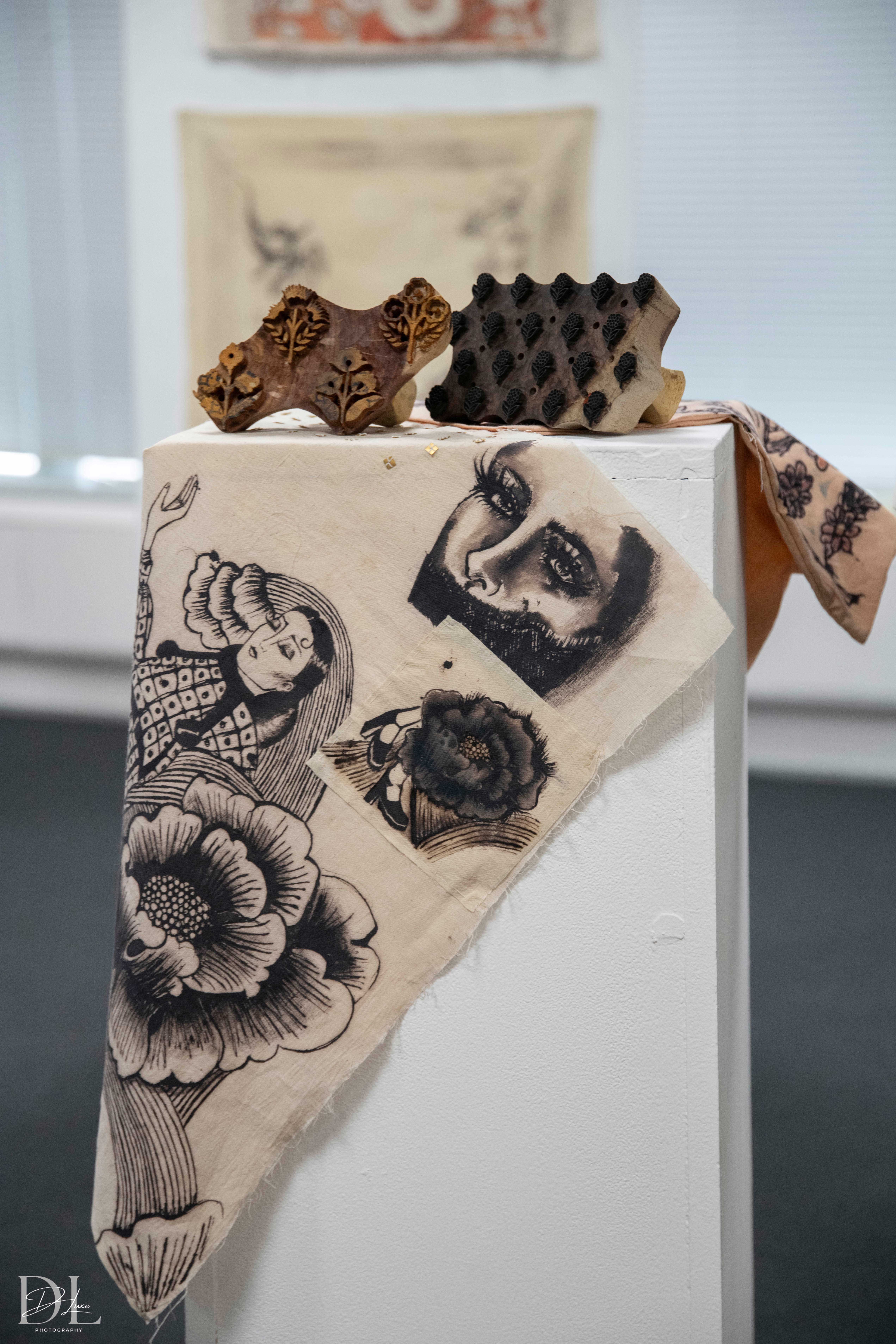
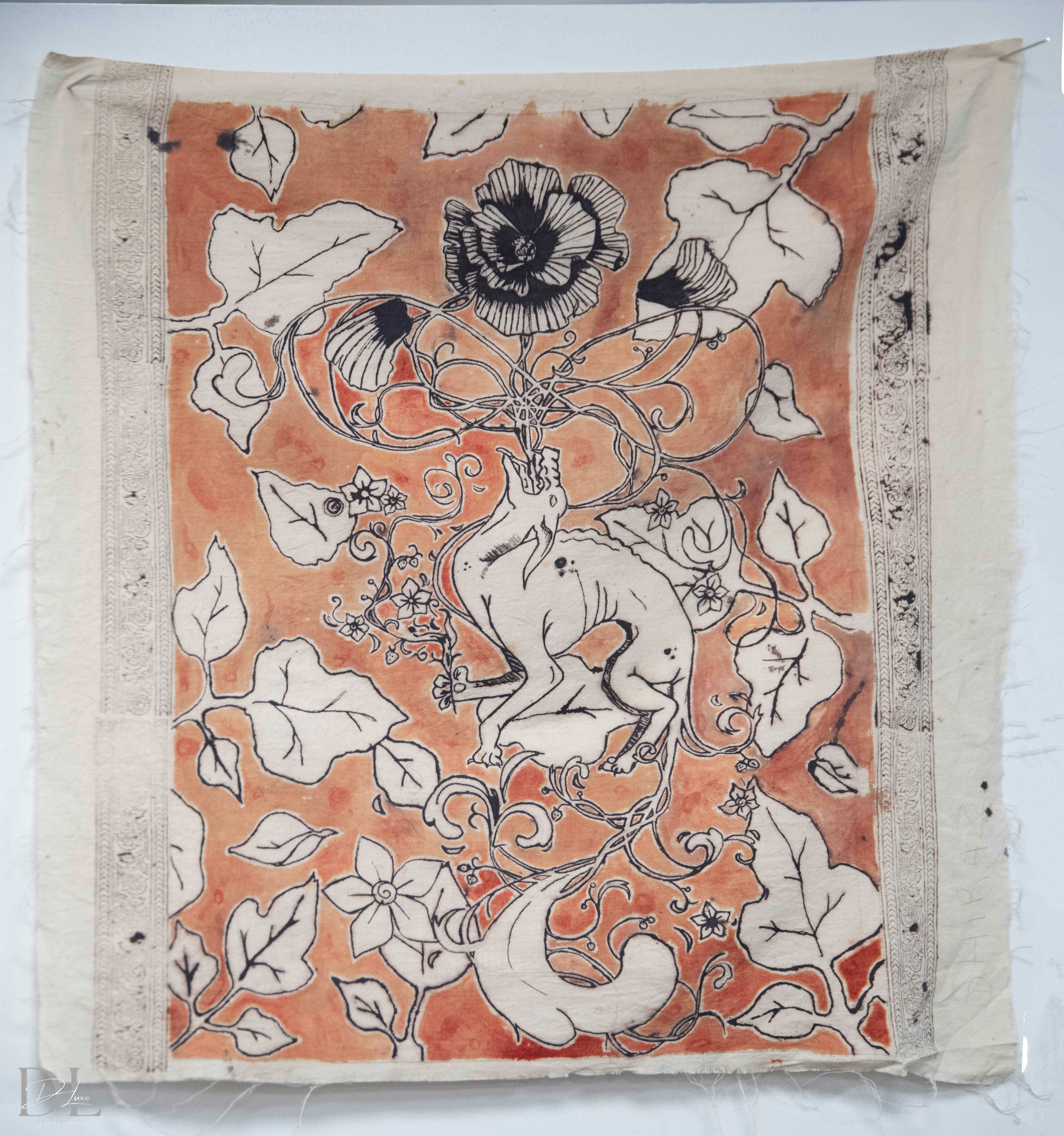
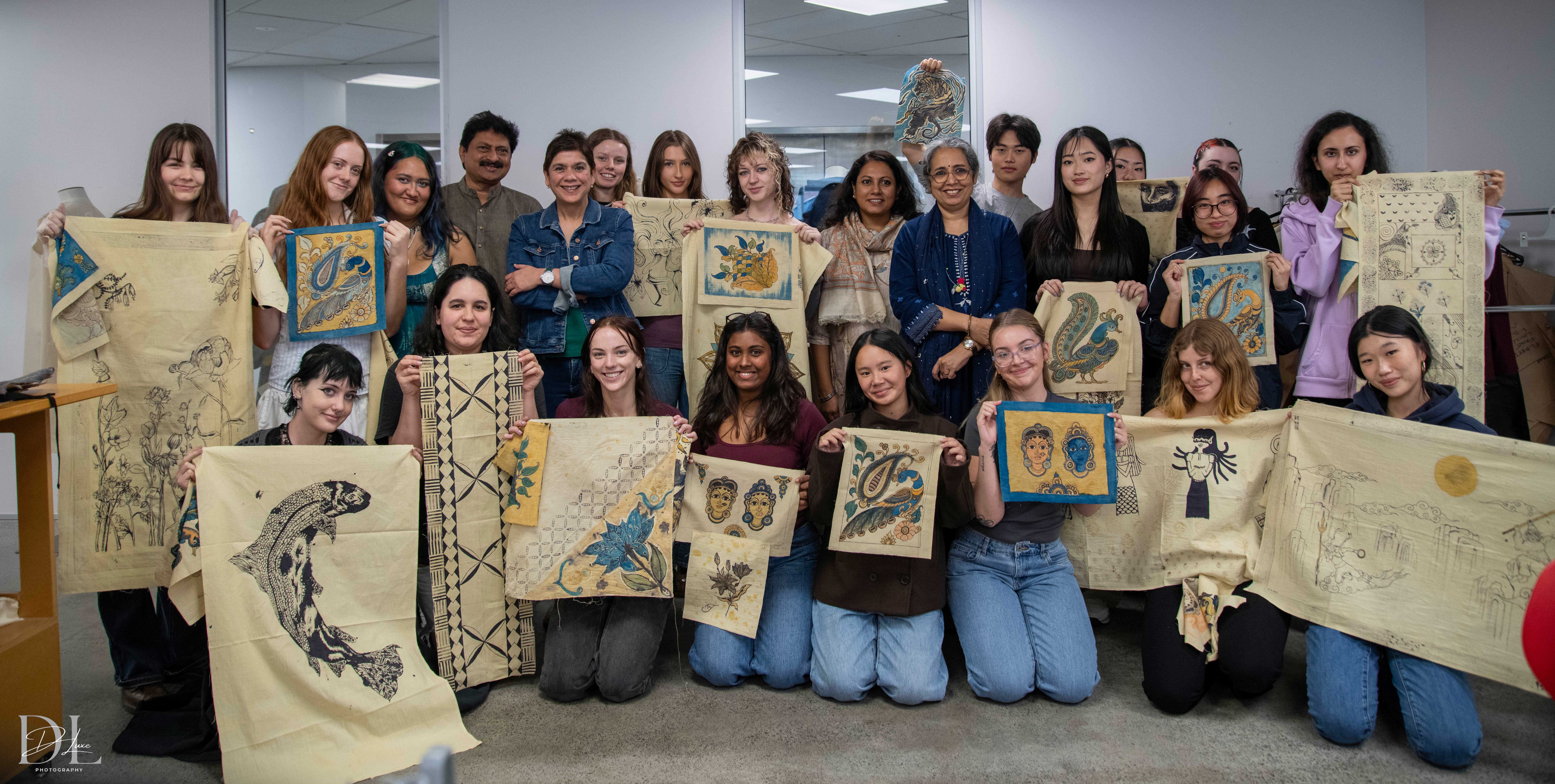
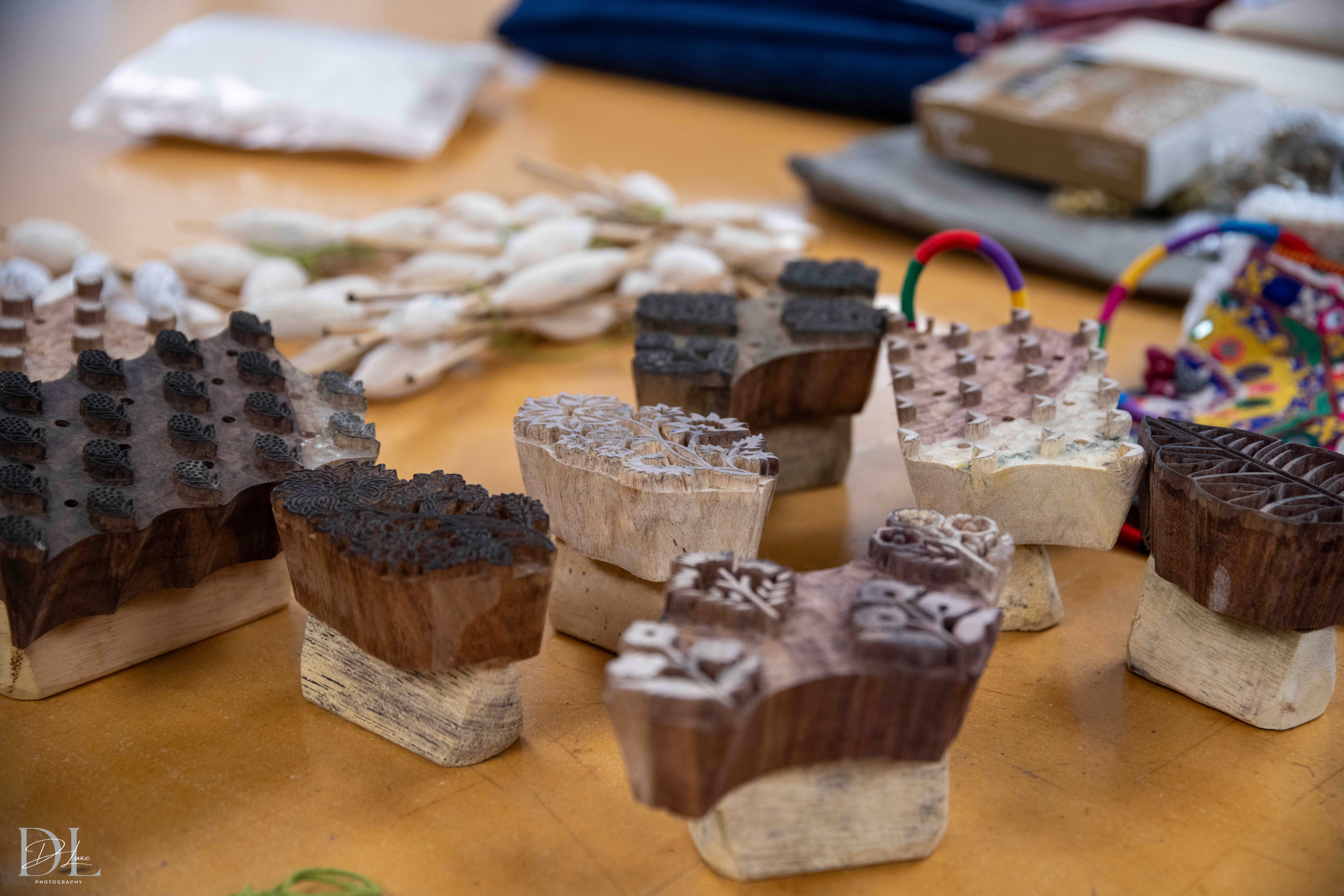
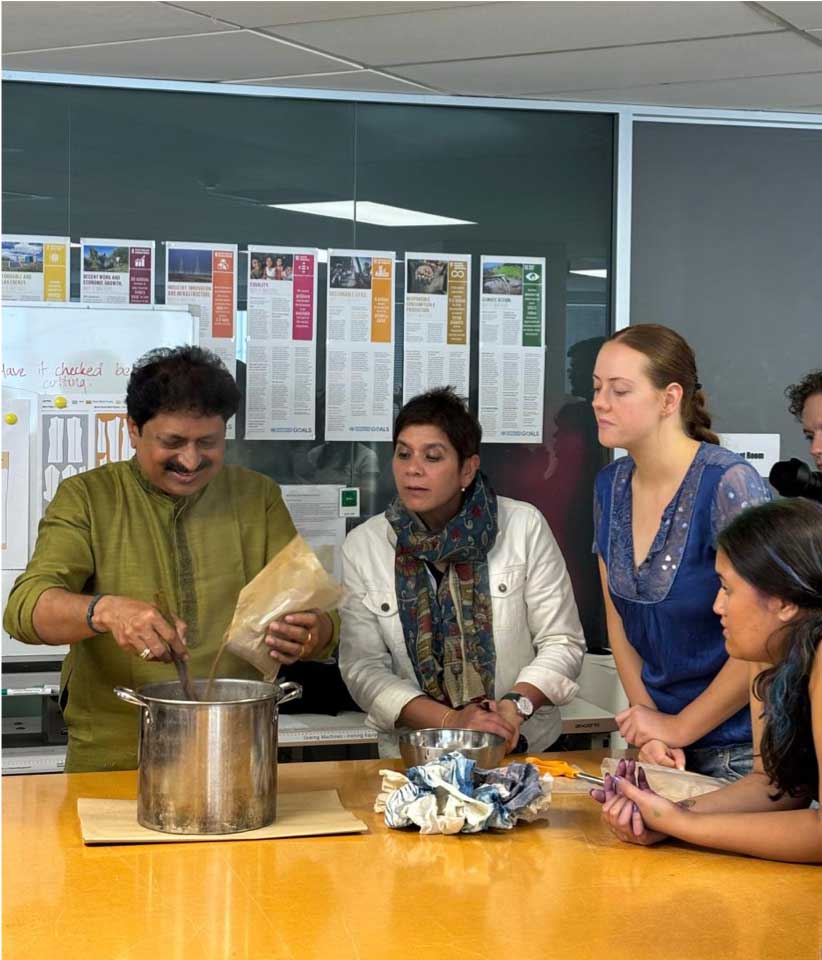
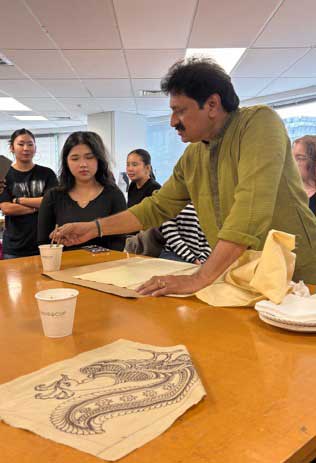
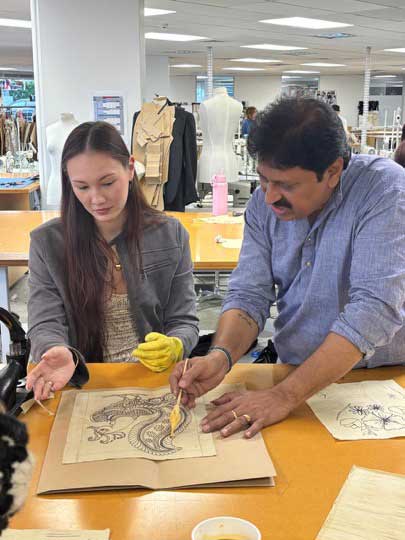
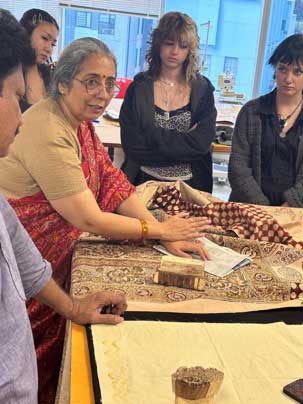
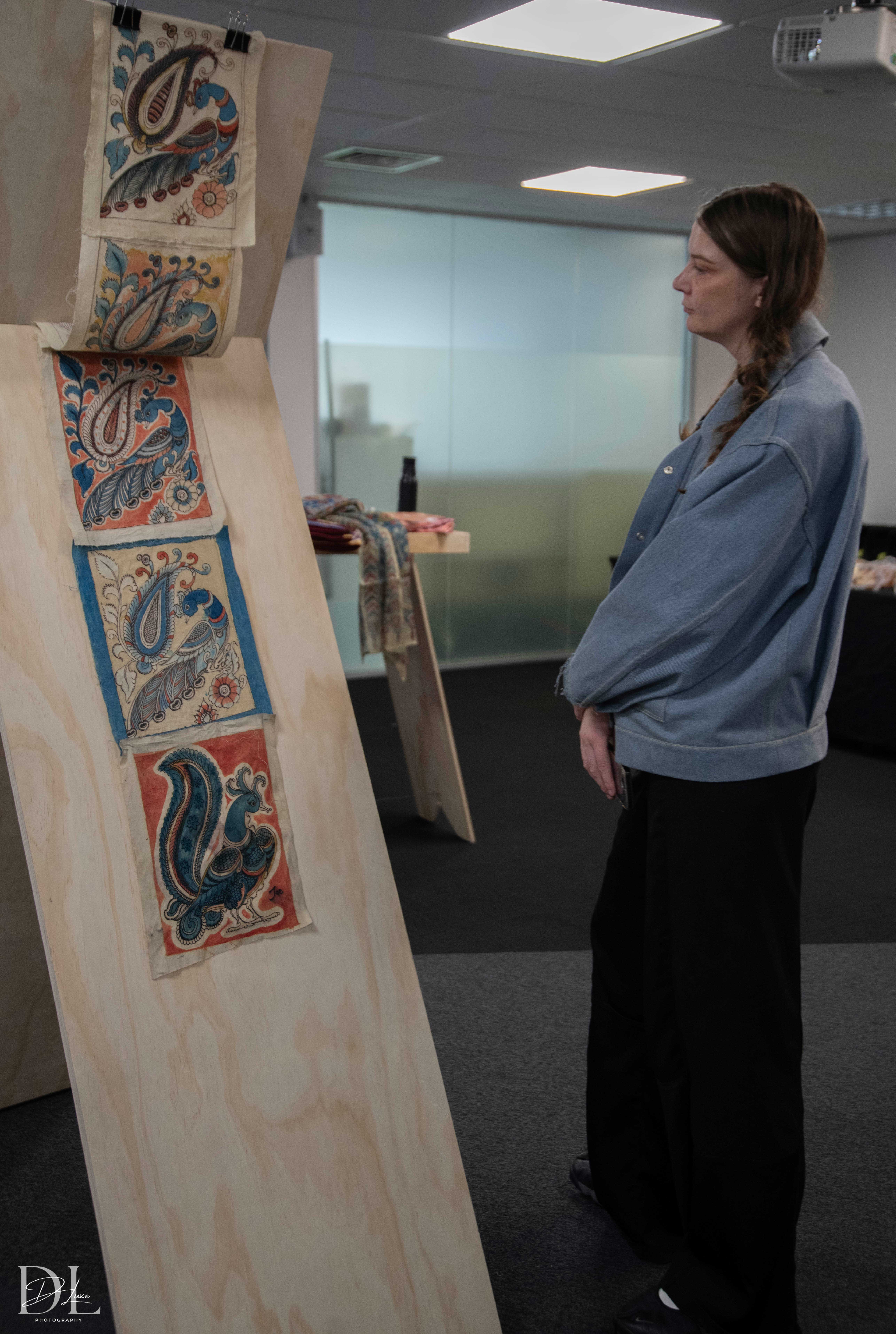
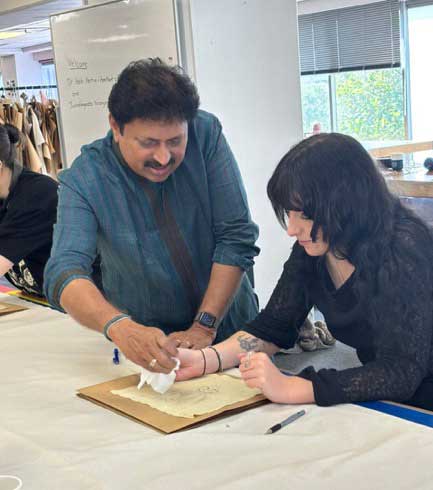
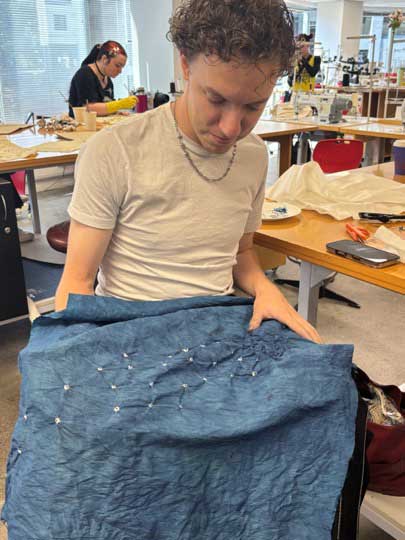
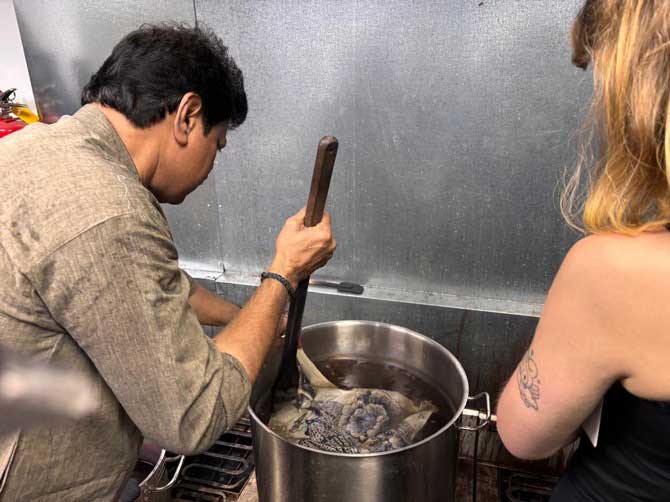
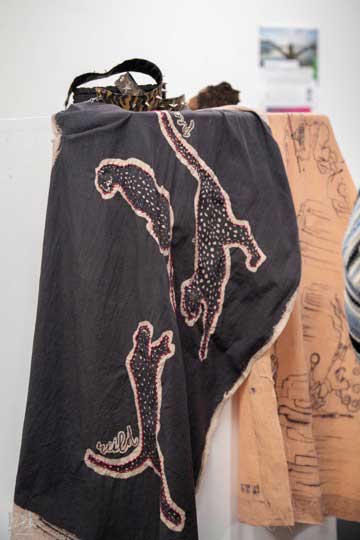
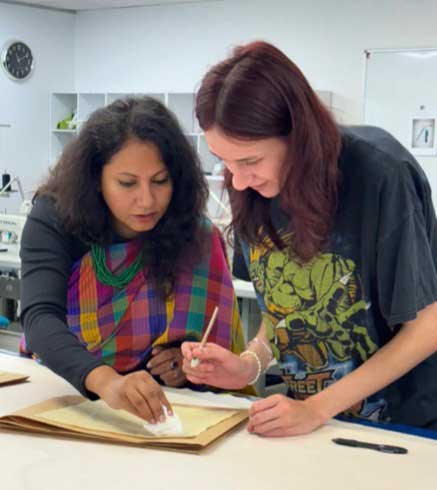
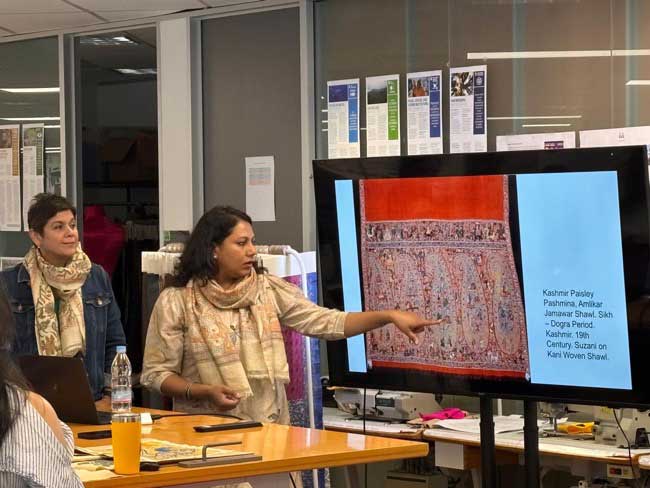
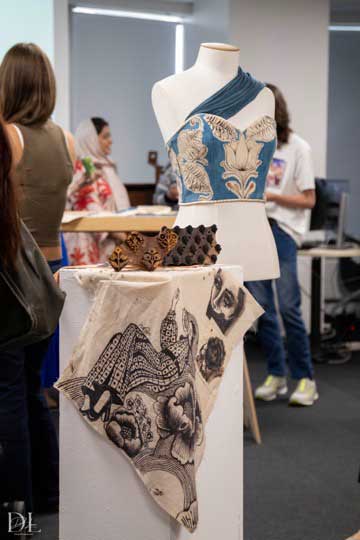
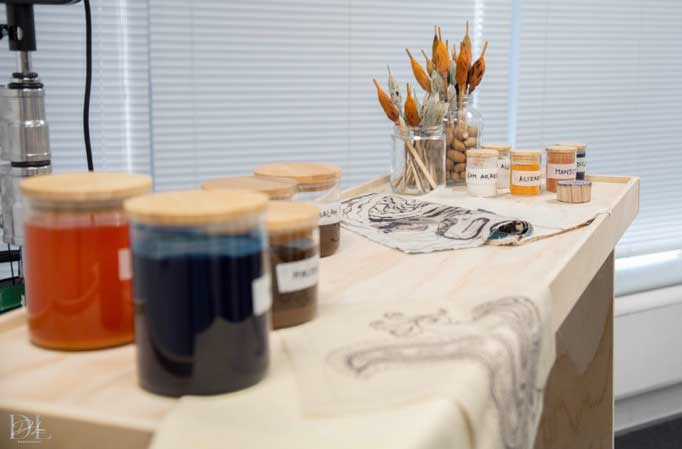
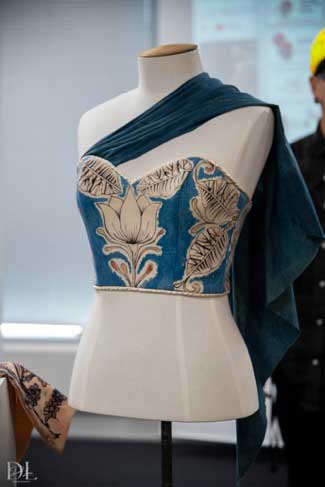
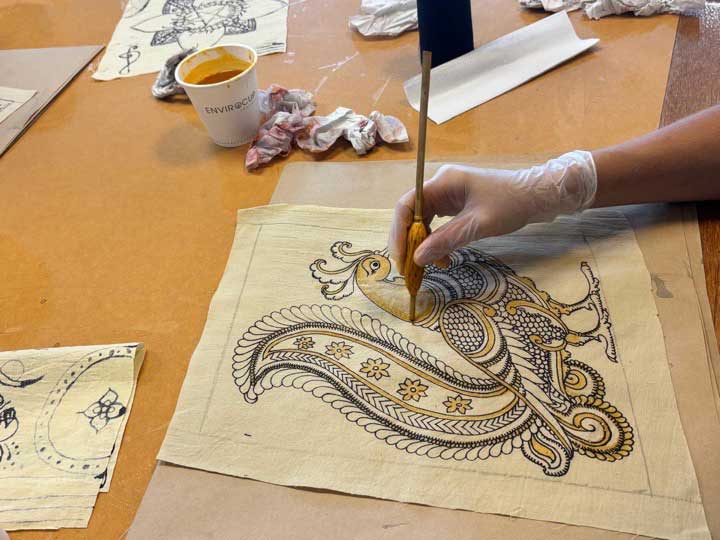
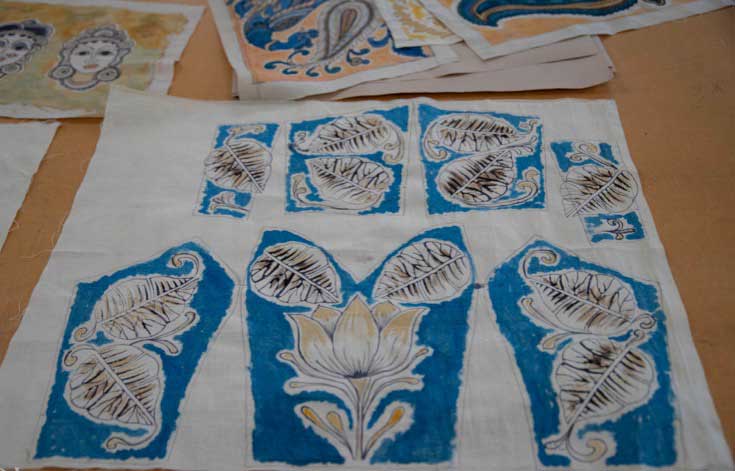
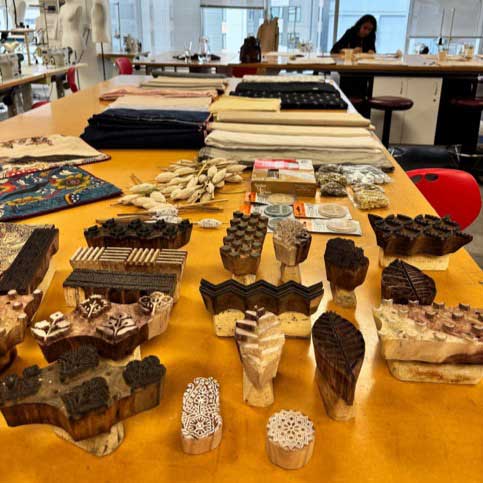
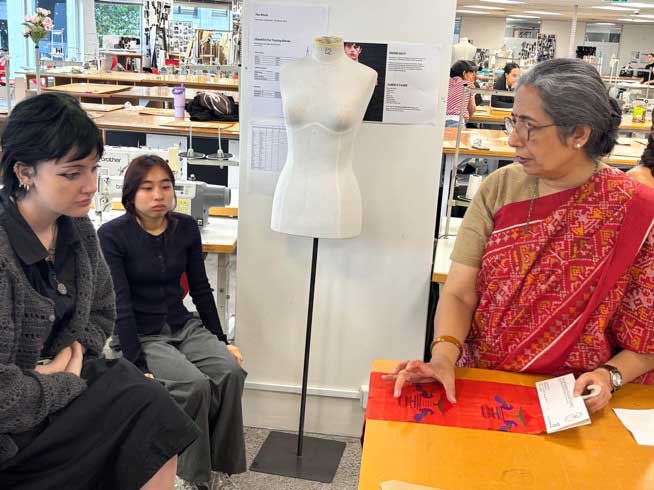
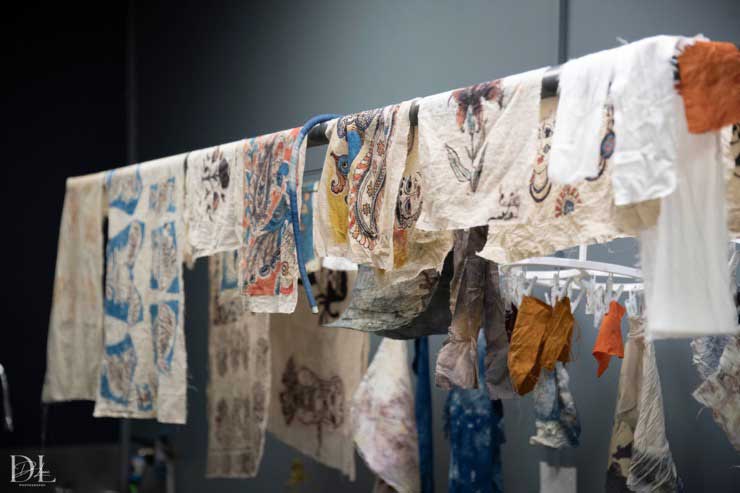
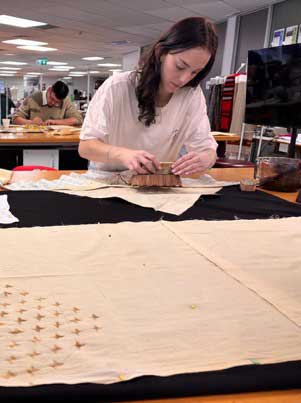
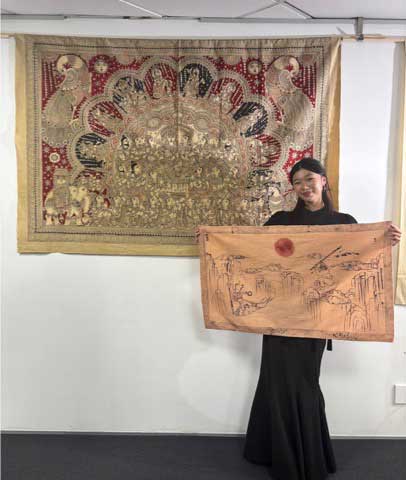
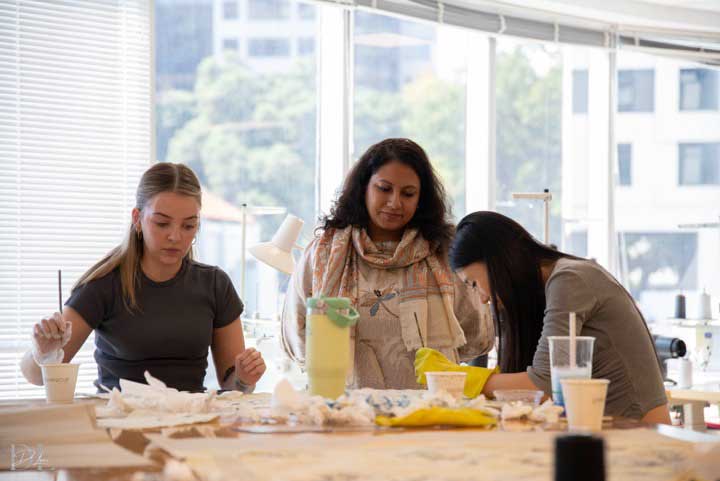
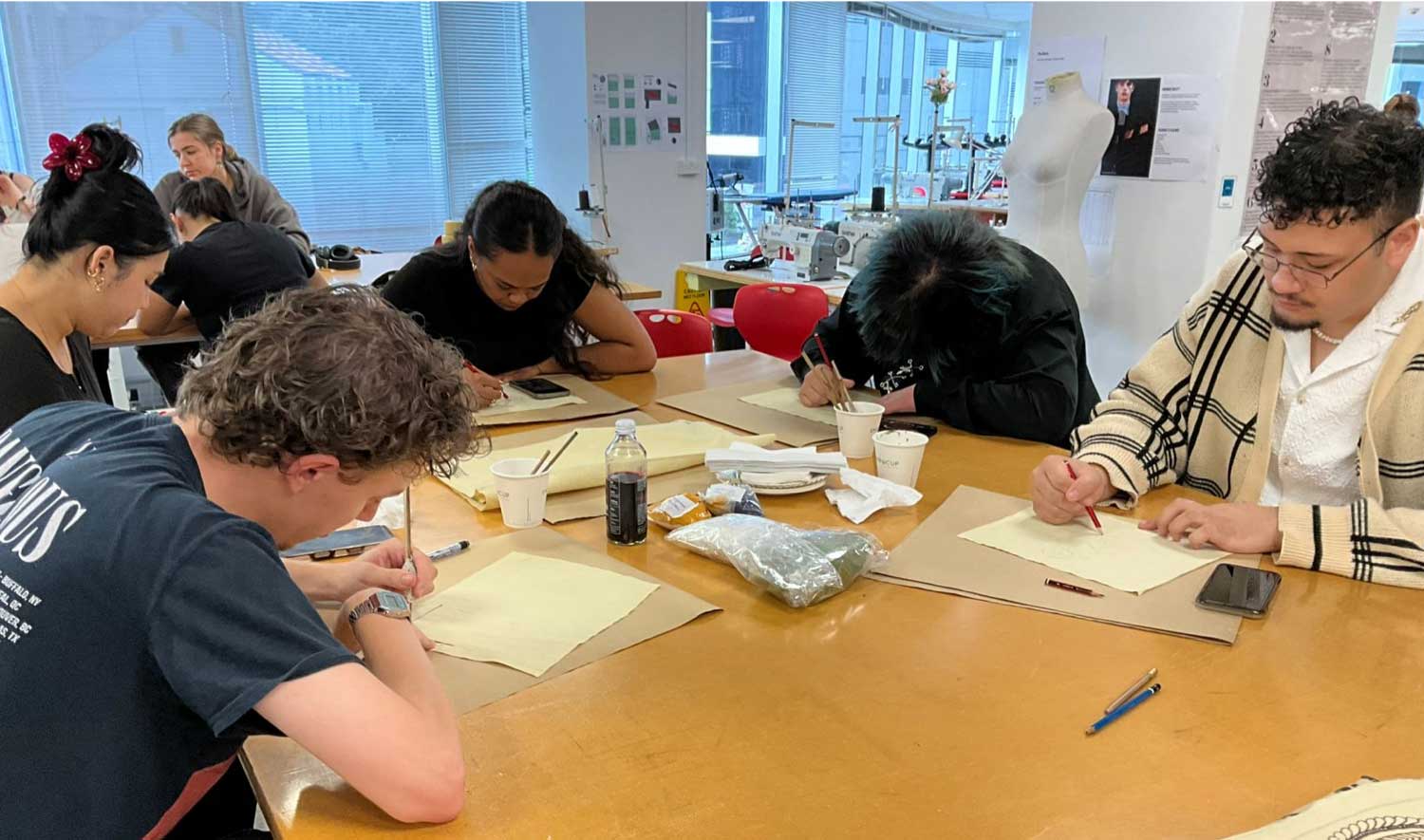
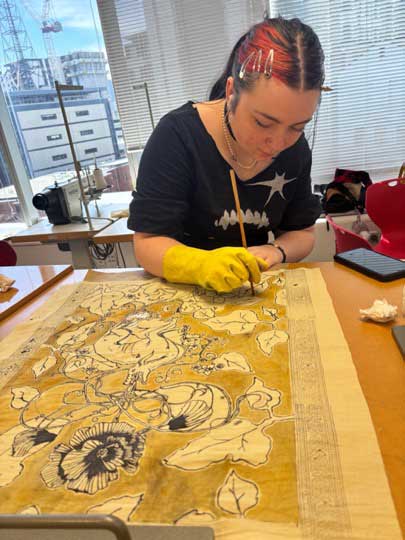
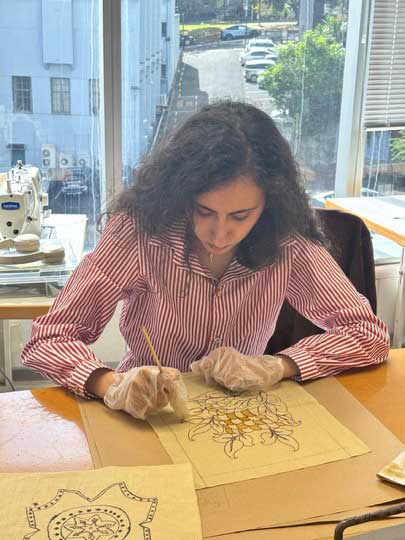
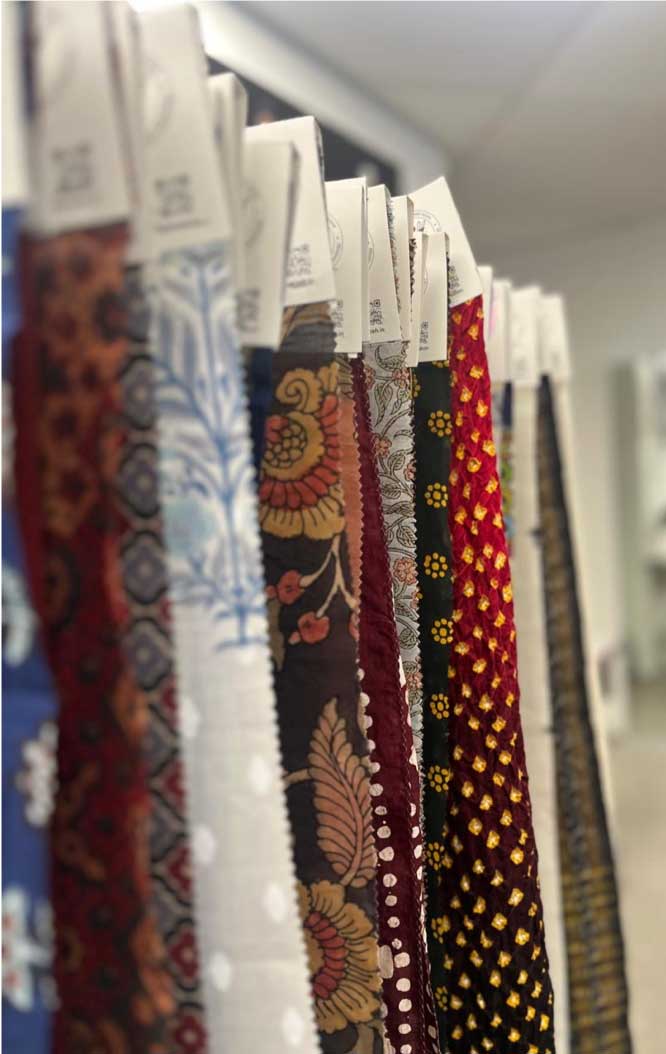
Structured as a deeply immersive and experiential engagement, the programme was conducted by NIFT faculty and master artisans to deliver a rare confluence of academic knowledge and living craft traditions. Over five days, participants were introduced to Indian textiles not only through historical and cultural narratives, but also through direct engagement with Crafts through materials, processes, and techniques. The experience moved seamlessly between contextual understanding and hands-on exploration, enabling students to work with natural material, dyes, and traditional methods of printing, painting, and embroidery, while developing their own contemporary interpretations.
The module foregrounds the relevance of Indian textile practices within current global conversations on sustainability, circularity, and ethical design. By engaging with processes rooted in ecological balance and intergenerational knowledge systems, students gained insights into alternative design approaches that are both culturally grounded and future-facing. The emphasis is not only on technique, but on understanding the philosophy, value systems, and socio-cultural contexts that underpin these practices.
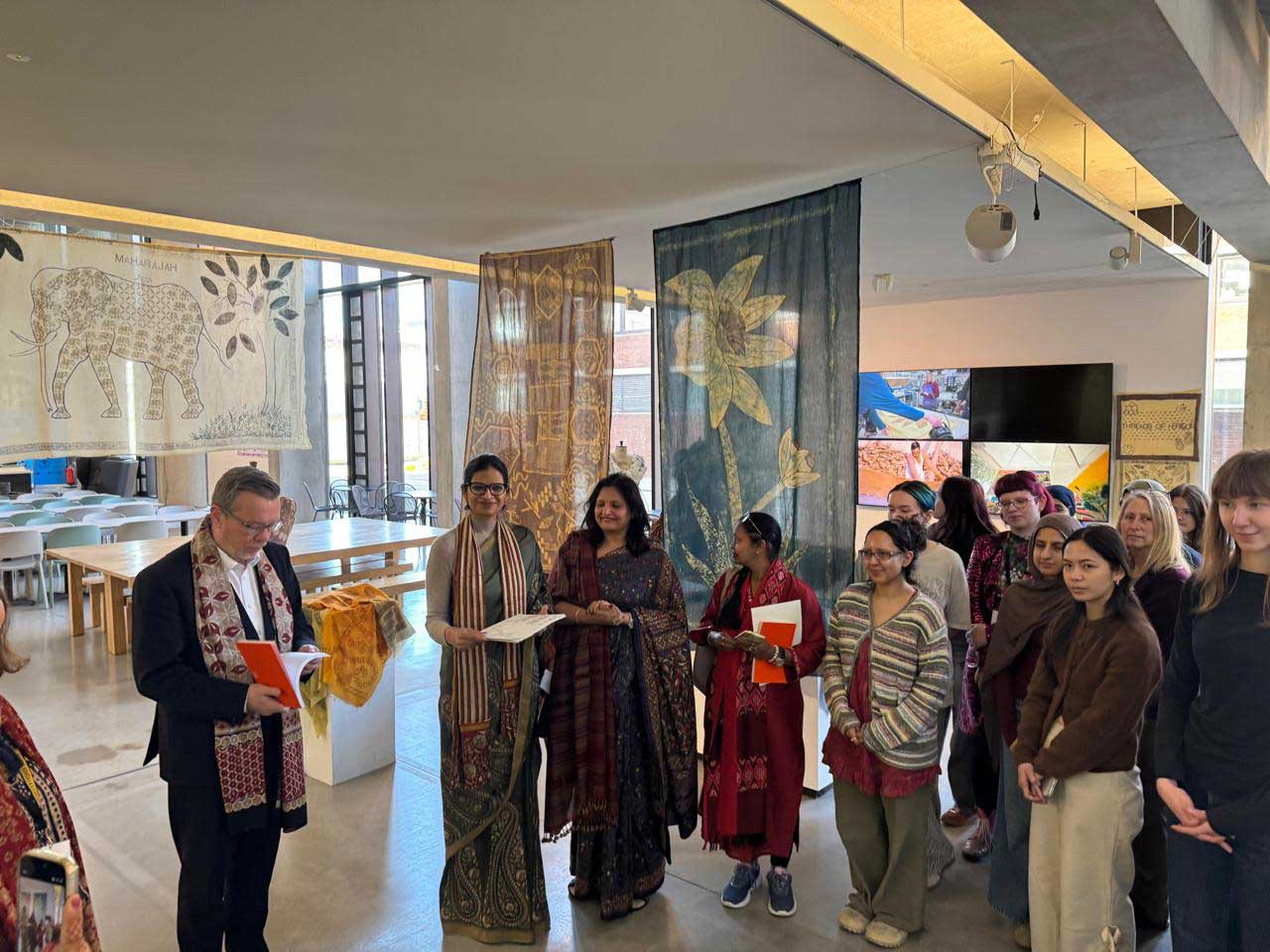
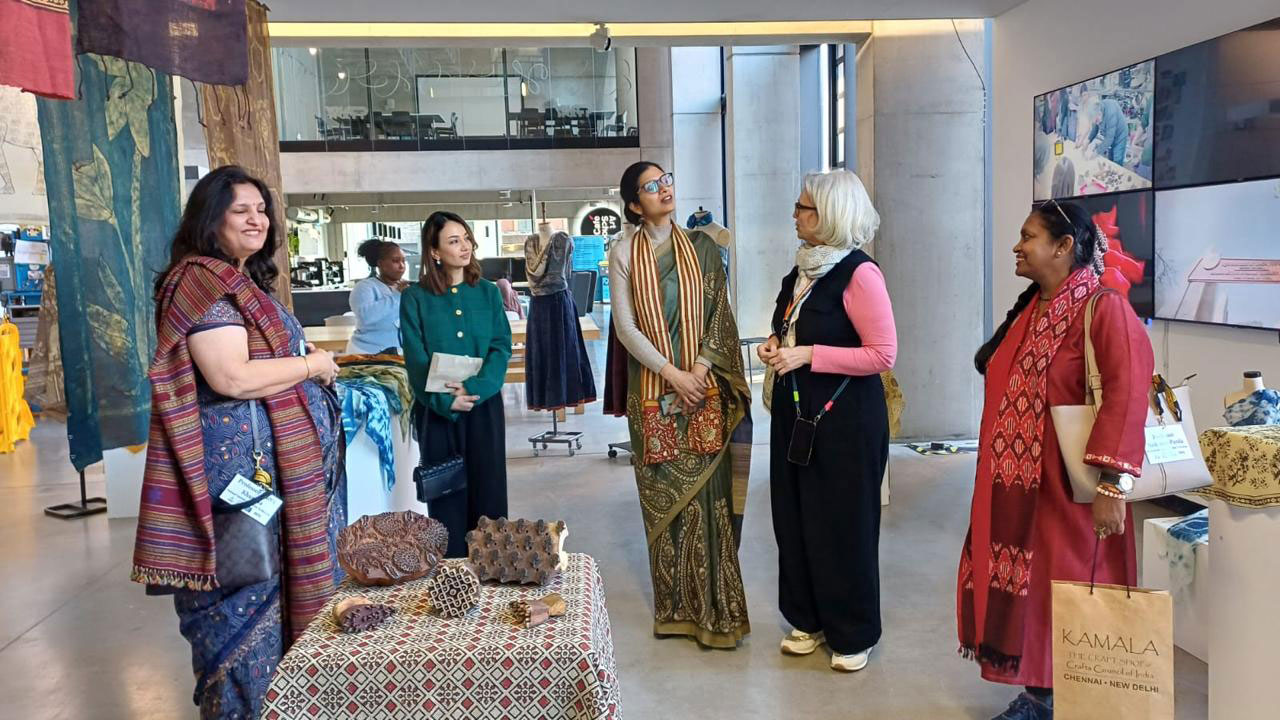
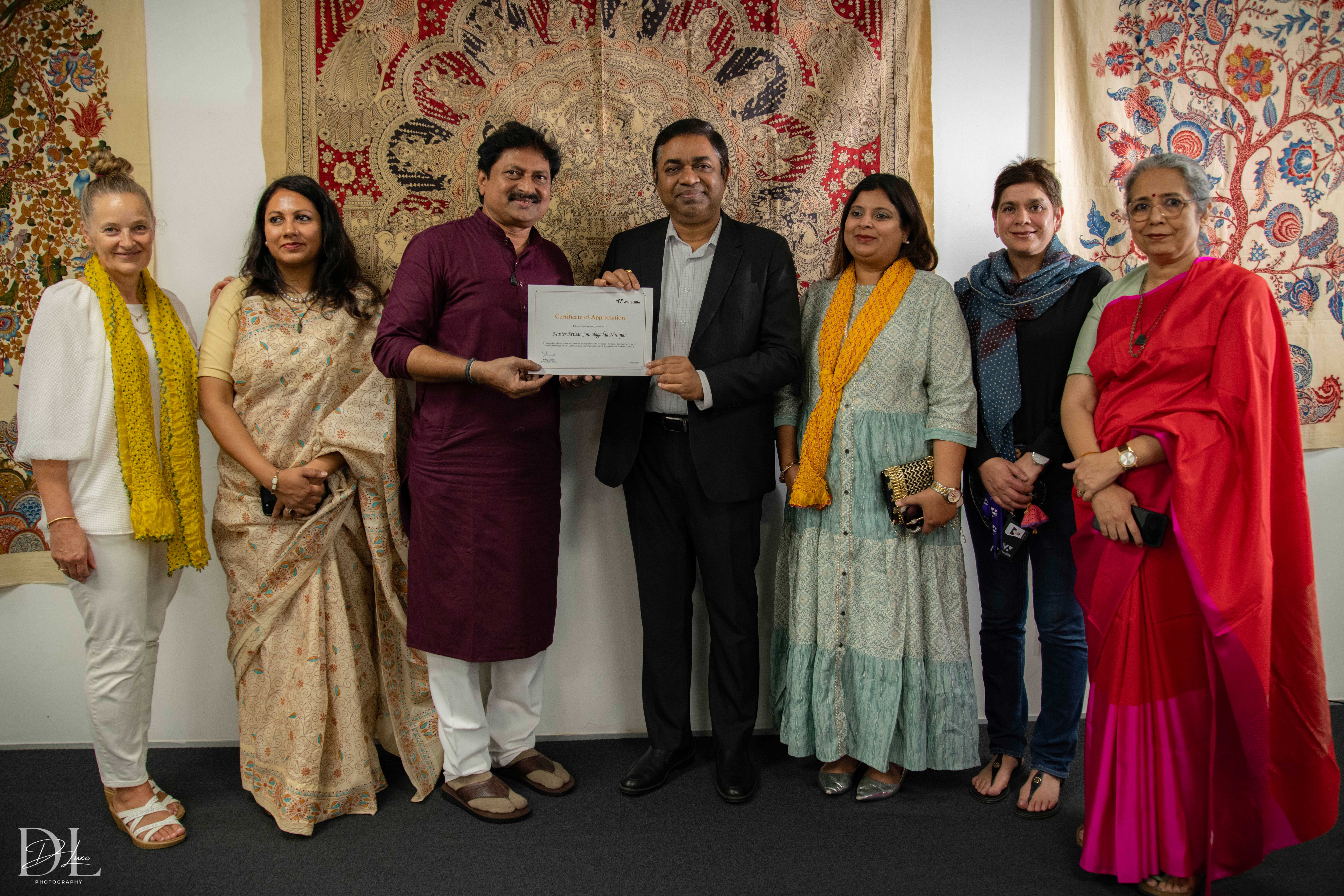
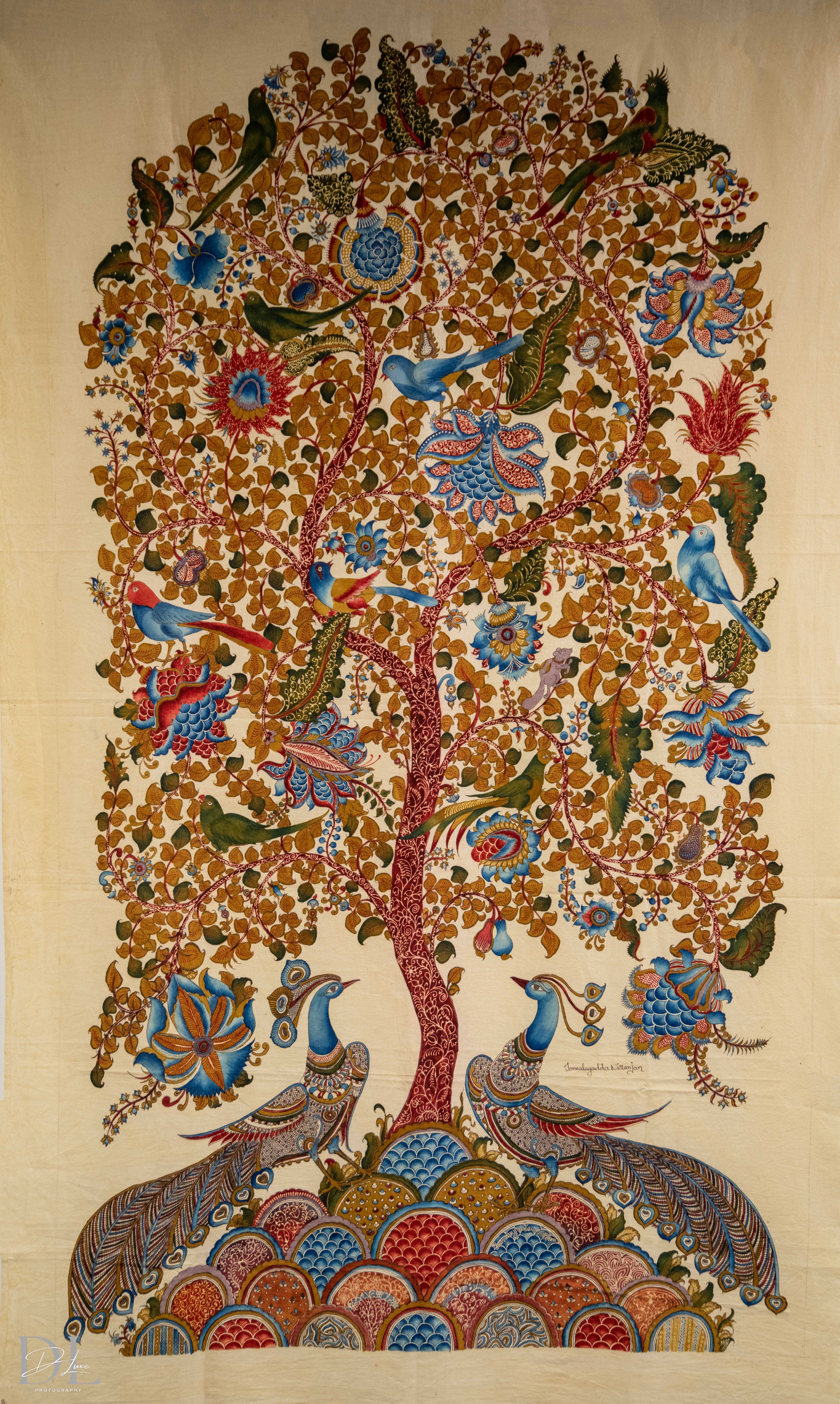
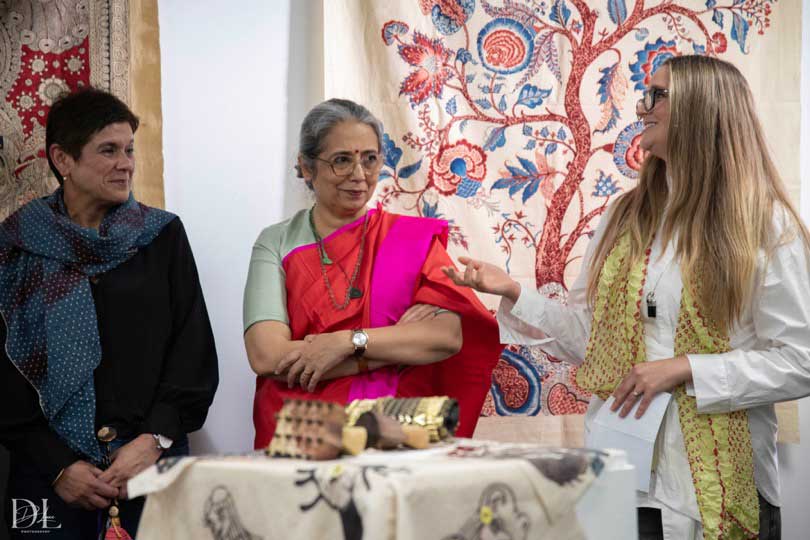
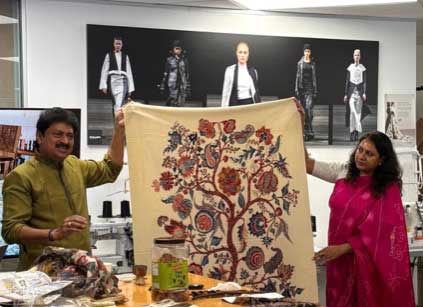
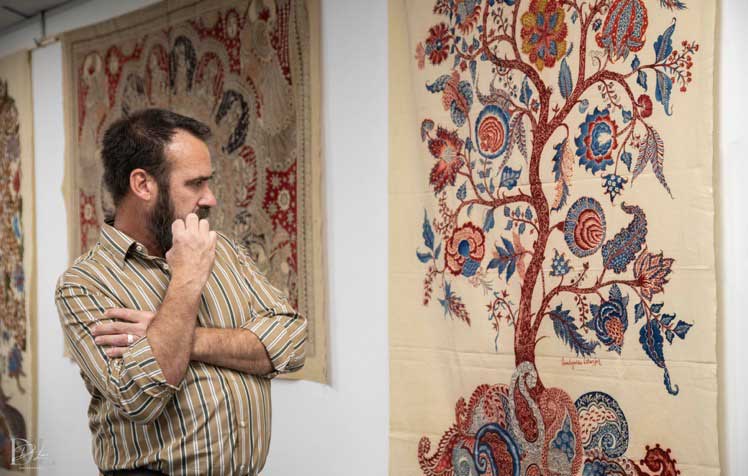
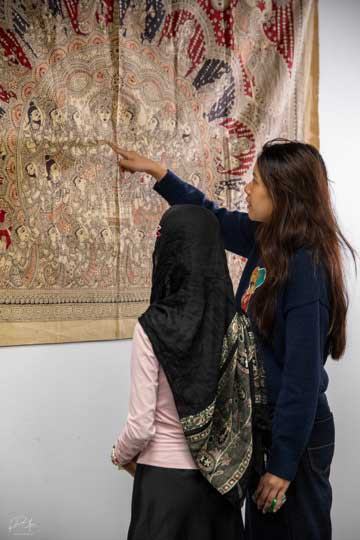
An integral aspect of the programme is the presence of traditional artisans, whose participation brings authenticity and depth to the learning environment. Demonstration of Kalamkari painting and printing by J Niranjan in New Zealand and Block printing by Roshan Chhipa transformed the classrooms into a space of shared knowledge and cultural exchange. The module culminated in a presentation or exhibition of student work, reflecting both technical learning and conceptual engagement, and often emerges as a highlight of the academic collaboration. The events were attended by the respective Indian Consul General in both the countries.
Four more such modules are in the process of being finalised by the partnering international Universities. Through this initiative, NIFT continues to build sustained international partnerships while positioning Indian textiles as dynamic, relevant, and globally significant. The programme strengthens India’s presence in global design education and reinforces the importance of craft-based knowledge systems in shaping the future of design.